
February is one of the dampest months of the year in the UK, and that creates the perfect conditions for mould. Many households rely on air drying to save money on energy bills, but indoor moisture levels can rise quickly when laundry is hung around the home. When items take too long to dry, the risk of damp patches, unpleasant smells and mould growth increases.
Air drying can still be useful, but experts say it is not suitable for everything. Some fabrics are simply too heavy, too dense or too slow to dry in winter conditions, which means moisture lingers in the air, and on the clothes themselves. When that happens, mould spores can spread throughout the home, especially in small rooms without good airflow.
According to experts at Better Homes & Gardens, certain items should always go in the dryer rather than on a rack or radiator.
They warn that long drying times, lack of sunlight, and poor ventilation can all make winter air-drying a problem for UK homes.
Here are the five items you should avoid air drying this month.
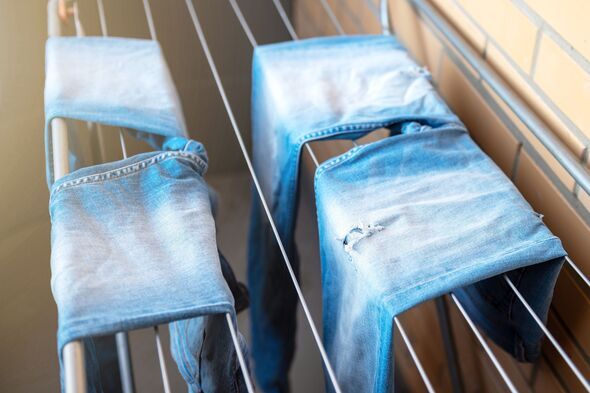
 1. Denim
Jeans, denim shorts and other heavy denim items can take hours, sometimes days, to fully dry indoors. This slow drying process often leaves the fabric stiff and uncomfortable.
Worse still, the trapped moisture can cause a musty smell to develop. Experts say a low-heat tumble dry is a better option, especially in cold weather.
2. Thick CottonLight cotton tops and pyjamas are usually fine to air dry, but thicker materials such as hoodies, sweatshirts, joggers and flannel sheets take far too long.
As they hold so much water, they can increase humidity in the room and carry a risk of mildew. A short tumble dry cycle prevents this and keeps them soft.
3. PolyesterNot all synthetics behave the same. While fabrics like nylon and spandex air-dry well, polyester tends to trap moisture.
Left on an airer, it can develop a stale or mildewy smell. A medium-heat dryer cycle helps remove wrinkles and ensures the fabric dries quickly and safely.
4. Down-Filled ItemsDown pillows, jackets and duvets should never be air dried. When left to dry naturally, the feathers clump together, causing lumpy patches and leaving dampness trapped inside.
This creates the perfect breeding ground for mould. A tumble dryer, ideally with dryer balls or tennis balls, keeps the filling fluffy and fully dry.
5. Blankets and TowelsThese items are among the slowest to air-dry due to their weight and thickness. They can keep a room damp for hours, and once hung, they often dry unevenly.
A full tumble dry cycle helps maintain softness and prevents lingering moisture.
-
Bengal: Park Street restaurant tenders apology for serving beef to YouTuber (Lead)

-
Union Budget is people-centric, NE gets major push: Tripura CM

-
NCB secures 10-year jail term for truck driver, aide held in Gaya with opium, poppy straw

-
Liverpool defender leave club Arne Slot's transfer deadline day plan emerges

-
Arsenal get massive Premier League title boost after VAR cruelly denies Aston Villa
