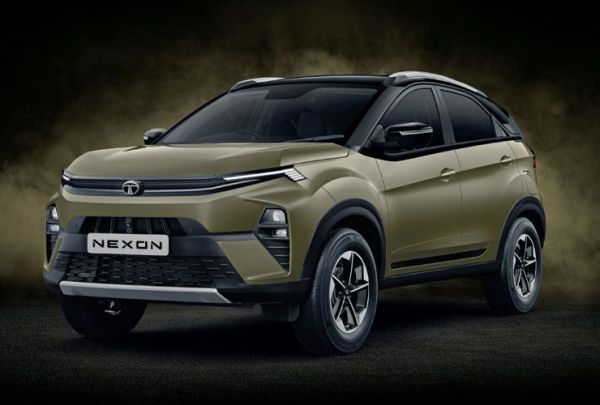
Tata Motors Passenger Vehicles has started the new calendar year with a fresh record, posting its highest ever monthly sales at 71,066 units in January 2026. This is a sharp jump from 48,316 units in January 2025 and underlines just how far the brand’s car and SUV portfolio has come in a short span of time.
The core of this performance is the domestic passenger vehicle business, which includes both ICE and EV models. Domestic PV sales stood at 70,222 units in January 2026, compared to 48,076 units a year earlier. The Nexon led the charge, with 23,000 units while the Punch finished very strongly with 19,000 units.
That is a growth of over 46 percent year on year, a strong number in a market that has already been on an extended upcycle. International business contributed 844 units, up from 240 units in January 2025, which is a much smaller base but still shows over 250 percent growth.
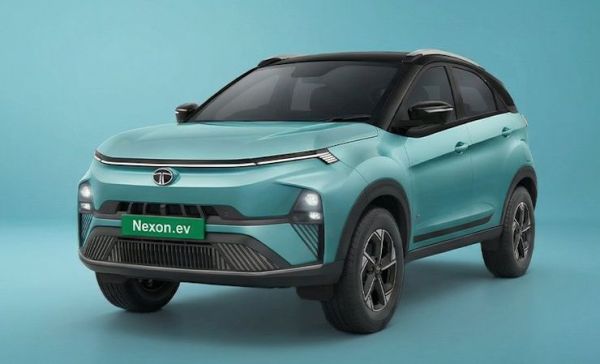
Electric vehicles continue to be a standout contributor. Combined EV sales, counting both domestic and international, were 9,052 units in January 2026 against 5,240 units in January 2025. That translates to growth of nearly 73 percent.
For a company that has been early to bet on EVs with cars like the Nexon EV, Tiago EV, Tigor EV and now the Punch EV, this surge suggests that the early mover strategy is paying off in terms of actual volumes.
The record 71,066-unit tally reflects three key shifts. First, Tata now has a broad, multi-powertrain portfolio across hatchbacks, compact SUVs, midsize SUVs and EVs, which allows it to tap very different price points and buyer needs.
Second, safety has become a visible part of the brand’s identity through high crash-test ratings, and that seems to be resonating with family buyers looking beyond outright price.
Third, the company has been refreshing designs and feature lists at a faster clip, making its cars feel more contemporary on showroom floors.
The growth in international business, while still small in absolute volumes, hints at more confidence in exporting current-generation products. With 844 units shipped versus 240 units last January, these markets will not move the needle on their own yet, but they do add incremental volume and help build brand presence outside the home turf.
The EV number is worth watching more closely. At 9,052 units in a single month, EVs now form a meaningful slice of Tata’s overall passenger vehicle sales. Even if the bulk of volumes still come from ICE cars and SUVs, this kind of EV penetration puts pressure on the rest of the market to accelerate their own electric plans. It also means Tata has to keep investing in charging support, after-sales readiness for high-voltage systems, and managing battery supply chains at scale.
From a buyer’s lens, such a strong sales print can cut both ways. On one hand, it signals that popular models are being accepted widely, which usually supports resale values and keeps dealerships active and better stocked. On the other hand, very high demand on certain trims can lead to longer waiting periods, especially for new launches and EVs, and sometimes limits the kind of discounts dealers are willing to offer.
The fact that January 2026 has set a new high base also raises the bar for the rest of the year. Sustaining this momentum will require Tata to keep its product pipeline moving, maintain quality and service levels as volumes rise, and ensure that EV infrastructure keeps pace with the sales curve. For now, though, 71,066 units in a single month puts a clear marker on the board: Tata’s passenger vehicle story has shifted from a turnaround phase to a scale phase, with both ICE and EVs pulling in the same direction.
-
Oracle plans to raise $45 billion to $50 billion in 2026

-
Budget 2026: Boost for chips, components plan

-
Budget 2026: Tech, GCCs set sail with safe harbour shield

-
Earthquake of 4.6 magnitude rocks Kashmir

-
School Assembly News Headlines Today February 2, Top National, International, Sports, Business News
