IranProtests – The office of Iranian President Masoud Pezeshkian has published an official list naming 2,986 people who lost their lives during the recent wave of unrest across the country. The disclosure follows weeks of public pressure for verified information as demonstrations swept through multiple cities late last year.

Official figures released following presidential directive
According to a statement posted on the president’s official website on Sunday, the names were compiled using records provided by the Iranian Legal Medicine Organisation. The president’s office said the data was collected under direct instructions from Pezeshkian to ensure accuracy and public accountability.
The list includes both civilians and members of Iran’s security forces. Authorities said the total number of fatalities linked to the unrest stands at 3,117, meaning 131 individuals have yet to be formally identified. Officials pledged that a supplementary list would be released once those identities are confirmed, according to Xinhua News Agency.
Government stresses transparency and support for families
In its statement, the president’s office said the decision to publish the names reflected a commitment to transparency. It described all those killed as “children of Iran” and promised that families of the victims would have their concerns addressed through appropriate legal and administrative channels.
The statement added that the government remains responsible for ensuring that no bereaved family is overlooked, regardless of the circumstances surrounding each death.
Protests triggered by economic pressures
The unrest began in late December and continued into January, driven largely by public anger over the sharp decline of the Iranian rial and rising living costs. Initial demonstrations were largely peaceful, with crowds gathering in major cities to voice economic grievances.
Over time, some protests escalated into violent confrontations. Clashes resulted in casualties and damage to public property, including government offices, banks, and religious sites. Iranian authorities have accused the United States and Israel of encouraging instability during the protests, allegations both countries have denied.
Military issues warning amid regional tensions
As political tensions intensified, Iran’s Army Chief Amir Hatami issued a strong warning to Washington. Speaking last week at a national festival in Tehran, Hatami said any miscalculation by the United States would threaten not only its own security but also that of Israel and the wider West Asia region.
State media IRNA quoted Hatami as saying that Iran’s armed forces are on full defensive alert and closely monitoring developments in the region. He added that the military remains prepared to respond immediately to any hostile action.
Neighbours urged to maintain neutrality
Hatami also welcomed statements from neighbouring countries that have pledged not to allow their territory or airspace to be used for operations against Iran. He said regional governments understand that instability directed at Iran would inevitably spread beyond its borders.
He further noted that if diplomatic solutions are to succeed, Iran expects its counterparts to engage with respect for the Iranian people and national sovereignty.
Escalating rhetoric between Tehran and Washington
The warnings come amid heightened rhetoric between Tehran and Washington. US President Donald Trump recently said a large US naval force, led by the aircraft carrier Abraham Lincoln, was being deployed toward the region. He cautioned that time was running out for Tehran to reach a new agreement with Washington.
On Sunday, Trump said that if Iran fails to strike a nuclear deal with the United States, the consequences would test earlier warnings issued by Iran’s leadership.
Iran’s Supreme Leader Ali Khamenei responded the same day, saying that any US-initiated conflict with Iran would not remain limited and would instead trigger a wider regional war.
-
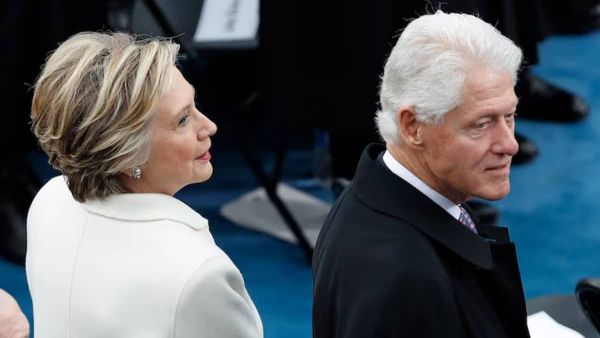
Bill Clinton and Hillary Clinton Agree to Testify Under Oath in Epstein Investigation at February End, Following Contempt Threat
-
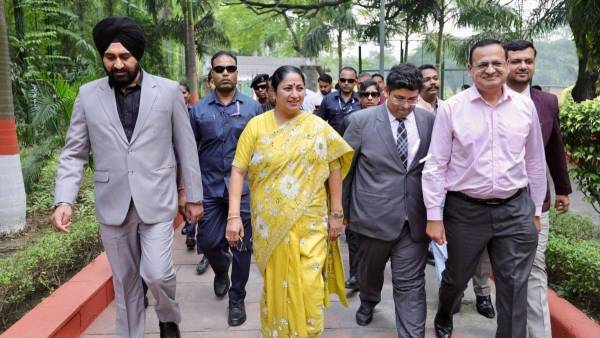
Delhi Govt's Big Move: Free LPG Cylinders For Ration Card Holders On Holi And Diwali
-
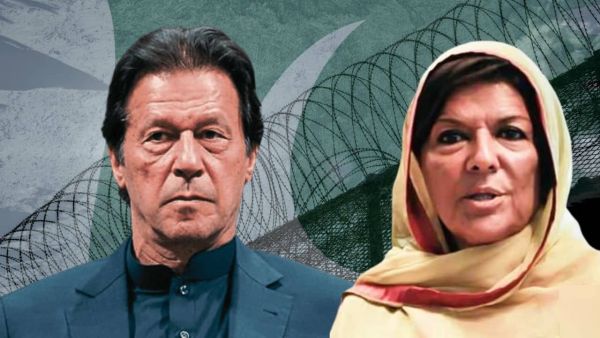
Pakistan Court Issues Non-Bailable Warrant For Imran Khan's Sister Over Protest Charges
-
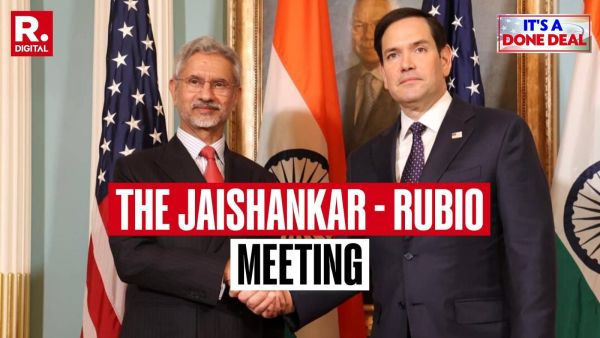
After Trump’s ‘Big Announcement', Jaishankar Meets Rubio To Cement Official India-US Trade Proclamation; Joint Note Expected Shortly
-
US Treasury & Euro bond yields rises while US stock market is down today – here's what investors need to know