How Untreated Dental Problems Affect Pregnancy: Signs, Risks, and What You Should Do
Pregatips | February 3, 2026 1:39 AM CST
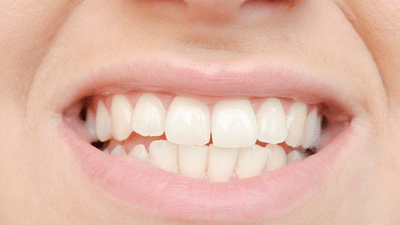
Problems from untreated dental issues during pregnancy happen more often than most expectant parents think. Gum disease, cavities, and oral infections can affect pregnancy, the baby’s growth, and emotional health. Taking care of your teeth can lower stress and risk, helping you make confident choices for a safer pregnancy.
What Are Dental Issues During Pregnancy, and Why Do They Happen?
Dental problems during pregnancy often start without obvious signs. Hormonal changes, such as higher progesterone and oestrogen levels, make gums more sensitive to plaque and bacteria. This can cause pregnancy gingivitis, tooth decay, or make existing dental issues worse. Common dental issues during pregnancy include:
In India, studies show that more than 60% of pregnant people have gum disease. Many do not get treatment because of myths about dental safety during pregnancy. This is why spreading awareness is so important.
Confused by pregnancy or fertility advice online? Get clarity from experts at Times Future of Maternity 2026 .
Why Do Untreated Dental Issues Matter During Pregnancy?
Oral infections do not stay confined to the mouth. The mouth is a gateway to the bloodstream. Bacteria from inflamed gums can enter circulation and trigger inflammation throughout the body. Chronic inflammation is linked to several pregnancy complications, including:
What Pregnancy Complications Are Linked to Poor Oral Health?
Can gum disease affect the baby’s growth?Yes. Inflammation from gum disease releases chemicals called prostaglandins and cytokines. These can cause early contractions and reduce blood flow to the placenta. Babies born to parents with untreated gum disease are more likely to:
Is there a link between dental infections and preeclampsia?New research suggests there is a link. Preeclampsia causes inflammation and vascular dysfunction. Ongoing oral infections may exacerbate this inflammation.
Studies in Indian hospitals found that pregnant people with poor oral hygiene had higher blood pressure and more signs of body-wide inflammation. Dental care cannot replace medical treatment, but it helps lower overall risk.
Can untreated dental pain affect emotional health?Absolutely. Persistent tooth pain affects sleep, appetite, and mood. Pregnancy already brings emotional vulnerability. Adding unmanaged pain can increase anxiety, irritability, and feelings of helplessness.
Lack of sleep due to pain raises cortisol levels, which may affect blood sugar control and emotional bonding. Support from partners and family becomes crucial here, encouraging dental visits rather than minimising symptoms.
What Symptoms Should You Never Ignore?
These symptoms may indicate an infection. If not treated, dental abscesses can spread to nearby tissues and, in rare cases, become life-threatening. Contact a dentist or doctor if you experience:
Is Dental Treatment Safe During Pregnancy?
This is a common concern. The answer is reassuring: most dental treatments are safe during pregnancy, especially in the second trimester. X-rays are used only when essential and with abdominal shielding. Delaying treatment often poses more risk than the procedure itself.
Safe dental care includes:
How Can You Protect Oral Health During Pregnancy?
Daily Care Steps You Can Follow
What to Do Next: A Simple Checklist
Whether you’re pregnant, a new mom, or navigating postpartum, you don’t have to do it alone. Join our support group to connect, share, and support one another.
FAQs on How Untreated Dental Problems Affect Pregnancy: Signs, Risks, and What You Should DoCan dental treatment during pregnancy harm the baby?
Dental treatments such as cleanings, fillings, and emergency procedures are considered safe during pregnancy when performed with proper precautions. Delaying treatment for infections or pain can pose more risk than timely dental care, especially during the second trimester.
Do bleeding gums always mean something serious during pregnancy?
Bleeding gums are common due to hormonal changes, but persistent or heavy bleeding may signal gum disease. If bleeding continues beyond a few days or is accompanied by pain or swelling, a dental check-up is advised to rule out infection.
What Are Dental Issues During Pregnancy, and Why Do They Happen?
Dental problems during pregnancy often start without obvious signs. Hormonal changes, such as higher progesterone and oestrogen levels, make gums more sensitive to plaque and bacteria. This can cause pregnancy gingivitis, tooth decay, or make existing dental issues worse. Common dental issues during pregnancy include:
- Swollen, bleeding gums
- Persistent bad breath
- Tooth sensitivity or pain
- Loose teeth sensation
- Gum infections or abscesses
In India, studies show that more than 60% of pregnant people have gum disease. Many do not get treatment because of myths about dental safety during pregnancy. This is why spreading awareness is so important.
Confused by pregnancy or fertility advice online? Get clarity from experts at Times Future of Maternity 2026 .
Why Do Untreated Dental Issues Matter During Pregnancy?
Oral infections do not stay confined to the mouth. The mouth is a gateway to the bloodstream. Bacteria from inflamed gums can enter circulation and trigger inflammation throughout the body. Chronic inflammation is linked to several pregnancy complications, including:
- Preterm birth (before 37 weeks)
- Low birth weight (below 2.5 kg)
- Preeclampsia (high blood pressure with organ stress)
- Gestational diabetes worsening
- Increased risk of infections after delivery
What Pregnancy Complications Are Linked to Poor Oral Health?
Can gum disease affect the baby’s growth?Yes. Inflammation from gum disease releases chemicals called prostaglandins and cytokines. These can cause early contractions and reduce blood flow to the placenta. Babies born to parents with untreated gum disease are more likely to:
- Be born early
- Have a lower birth weight
- Require neonatal intensive care
Is there a link between dental infections and preeclampsia?New research suggests there is a link. Preeclampsia causes inflammation and vascular dysfunction. Ongoing oral infections may exacerbate this inflammation.
Studies in Indian hospitals found that pregnant people with poor oral hygiene had higher blood pressure and more signs of body-wide inflammation. Dental care cannot replace medical treatment, but it helps lower overall risk.
Can untreated dental pain affect emotional health?Absolutely. Persistent tooth pain affects sleep, appetite, and mood. Pregnancy already brings emotional vulnerability. Adding unmanaged pain can increase anxiety, irritability, and feelings of helplessness.
Lack of sleep due to pain raises cortisol levels, which may affect blood sugar control and emotional bonding. Support from partners and family becomes crucial here, encouraging dental visits rather than minimising symptoms.
What Symptoms Should You Never Ignore?
These symptoms may indicate an infection. If not treated, dental abscesses can spread to nearby tissues and, in rare cases, become life-threatening. Contact a dentist or doctor if you experience:
- Bleeding gums that do not settle within a week
- Severe or throbbing tooth pain
- Facial swelling or jaw stiffness
- Fever with mouth pain
- Pus discharge from gums
- Difficulty chewing or opening the mouth
Is Dental Treatment Safe During Pregnancy?
This is a common concern. The answer is reassuring: most dental treatments are safe during pregnancy, especially in the second trimester. X-rays are used only when essential and with abdominal shielding. Delaying treatment often poses more risk than the procedure itself.
Safe dental care includes:
- Dental check-ups and cleanings
- Fillings and root canal treatments
- Local anaesthesia (without harmful additives)
- Emergency procedures for infection
How Can You Protect Oral Health During Pregnancy?
Daily Care Steps You Can Follow
- Brush twice daily with a soft-bristle toothbrush.
- Use fluoride toothpaste
- Rinse your mouth after vomiting with plain water or a baking soda solution.
- Floss gently once a day
- Avoid frequent sugary snacks.
- Drink enough water, about 2.5 to 3 litres a day, unless your doctor tells you otherwise.
- Calcium-rich foods (curd, milk, ragi, sesame seeds)
- Vitamin C sources (amla, guava, citrus fruits)
- Protein from dal, eggs, paneer, or nuts
What to Do Next: A Simple Checklist
- Schedule a dental check-up.
- Inform healthcare providers about all symptoms.
- Maintain daily oral hygiene.
- Manage nausea to protect teeth.
- Seek partner or family support for appointments.
- Do not delay treatment due to fear.
Whether you’re pregnant, a new mom, or navigating postpartum, you don’t have to do it alone. Join our support group to connect, share, and support one another.
FAQs on How Untreated Dental Problems Affect Pregnancy: Signs, Risks, and What You Should Do
Dental treatments such as cleanings, fillings, and emergency procedures are considered safe during pregnancy when performed with proper precautions. Delaying treatment for infections or pain can pose more risk than timely dental care, especially during the second trimester.
Bleeding gums are common due to hormonal changes, but persistent or heavy bleeding may signal gum disease. If bleeding continues beyond a few days or is accompanied by pain or swelling, a dental check-up is advised to rule out infection.
READ NEXT
-
How long after IVF can you be pregnant, experts told details; Confusion will not happen
-
Airtel shocks 360 million of users: Telecom giant ends THIS free subscription, offers Adobe Express Premium for free | Technology News

-
Union Budget 2026: Smartphones, tablets will be cheaper! Finance Minister announced, happy atmosphere among customers

-
Premier League 2025-26: Arteta seeks Arsenal reinforcement for injured Merino

-
F1 Set for India Return? Government Push Underway to Revive Indian Grand Prix at Buddh Circuit