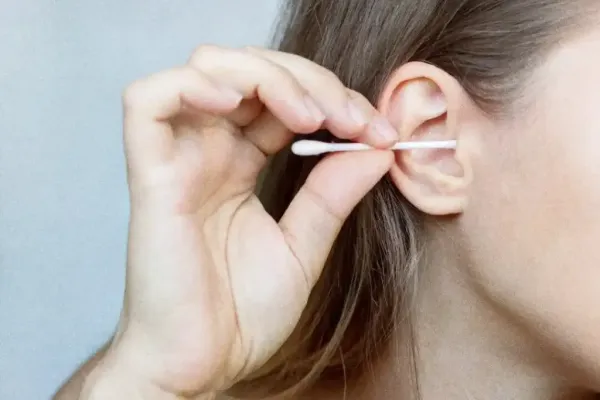
Scientists at the Federal University of Goiás (UFG) in Brazil have developed a new and effective test (Cerumenogram) that can help in early detection of cancer based on earwax samples. This study was published in 2025 and has also been honored in the 2025 Capes Award, which shows the quality and usefulness of the research.
According to this research, analyzing the chemical elements present in ear wax can provide important indications about the disease going on inside the body, especially cancer. If the body is healthy, the structure and chemical composition of earwax remains the same, but when there is a serious problem in the body, there is a change in it, which scientists can identify. This type of testing is considered simple, low cost, painless, and non-invasive.
According to Nelson Antoniosi Filho, the chief coordinator of the research, the biggest advantage of this technology is that it can detect changes even in the very early stages of cancer, so that patients can get timely treatment and improve the quality of life. “It is a simple, economical, practical and painless method that can save the patient from running to hospitals,” he said.
This research project was initially used to detect diabetes, drug or pesticide toxicity, but was later applied to veterinary science, where it was used to detect cancer in dogs. Inspired by its positive results, it was decided to test the research on humans also.
This project took wax samples from a total of 751 volunteers; Out of which, 531 people were already undergoing treatment for cancer and the remaining 220 people had no previous diagnosis of cancer. The results of the research showed that specific abnormal substances were found in the earwax of people with cancer, while only five samples of 220 healthy people had abnormal signals and subsequent testing revealed that all of them had cancer. This success shows the reliability of this technology.
However this test is not yet available for free in Brazil’s public health system (SUS). At present, this testing will start only in private health services and public educational institutions, as the government approval process is ongoing. According to Filho, this should start with universities and research centers, and later expand into public health programs.
Industry experts and researchers are also interested in whether the test can be used to diagnose other diseases such as Alzheimer’s, Parkinson’s and other neurodegenerative diseases. According to Filho, these studies are ongoing and more clarity is expected by next year.
This research proves how science and research going on in public institutions in Brazil can revolutionize medical science in simple and creative ways. Tests like Cerumenogram can make the detection of deadly diseases like cancer even easier, affordable and widespread in the future.
-
Delhi High Court to Decide Fate of West Bengal's DGP Appointment Ahead of Elections

-
Air India starts inspection of fuel control switches in its Boeing 787 planes

-
Indian rupee trades over 1 pc higher after US trade deal

-
The Peter Mandelson I knew was the nicest man in politics - or just a brilliant actor

-
Arsenal predicted XI vs Chelsea with four changes made as Calafiori returns and Saka call made