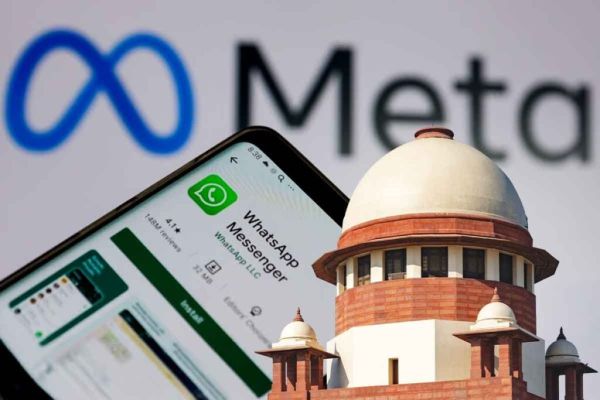
No peeking into the private domain of any Indian citizen will be allowed. No compromise on privacy either. The Supreme Court reprimanded the regulatory body META on Tuesday for the new security rules of WhatsApp. The clear message of the Supreme Court, leave India if you do not obey the Constitution!
In 2021, new security rules came into force on WhatsApp. Many objected to that at that time. Allegedly, the new rules dealt with the use of personal information of customers. Not only that, Meta also said that if you do not agree to the new security rules, you will not be allowed to use WhatsApp. The Competition Commission of India (CCI) also imposed a fine of Rs 213 crore on WhatsApp based on this complaint. It also prohibits the handing over of WhatsApp users’ data to third parties. The ban was later lifted by the National Company Law Appellate Tribunal (NCLAT). However, the fine was upheld.
Chief Justice’s comment, “If you cannot abide by the Constitution, leave India. We will not tolerate any compromise on the privacy of Indian citizens.”
A case was filed in the Supreme Court against the verdict of NCLAT. The case was heard on Tuesday. The Supreme Court’s question, is it possible for people from all walks of life to understand the new security rules of WhatsApp? Can a woman from a poor family or a street shop or someone who only knows Tamil understand the new safety rules? Supreme Court Chief Justice Surya Kanter’s bench said, “Sometimes it is difficult for us to understand. How will the people of Gramganj in Bihar understand?”
According to the apex court, such incidents actually fall under the category of theft of personal information. The judges also commented that the Supreme Court will not allow it to happen. “If you can’t abide by the Constitution, leave India. We will not tolerate any compromise on the privacy of Indian citizens,” the Chief Justice’s remarks to Mattar.
Lawyers Mukul Rohatgi and Akhil Sibal argued in the Supreme Court on behalf of Meta. They denied the allegations of peeping into private chats. Their argument was that WhatsApp chats are ‘end to end encrypted’. Which means, no one else can see that chat. However, the Chief Justice did not agree to listen to it.
-
Cervical Cancer awareness campaign started in the country! Madhuri Dixit’s participation in an activity conducted by MSD India

-
Vitamin D Deficiency: Along with sitting in the sun, Vitamin D deficiency can be compensated by these things.

-
Important Tips for Buying the Right Watermelon

-
Good news for iPhone users! This special update is coming on WhatsApp chat, know details

-
Motorola’s new blast: Feeling like iPhone in less than Rs 50 thousand? Edge 70 Pro+ leaked before launch