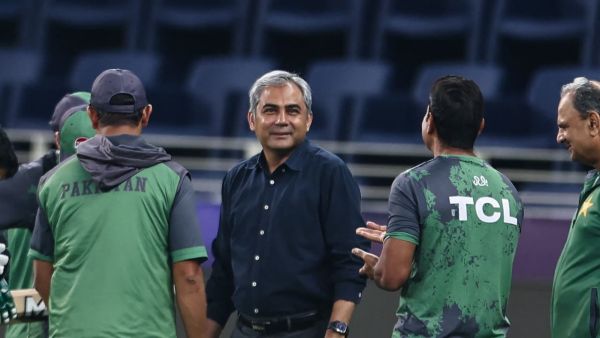
The PCB plans to boycott its T20 World Cup 2026 match against India on government orders. The political decision could trigger ICC action, financial penalties, loss of revenue, and a possible lawsuit from broadcasters over breach of contract.
Pakistan Cricket Board’s (PCB) hardline stance in boycott national team’s much-anticipated T20 World Cup 2026 clash against Team India, as per the directive of the government, is expected to face repercussions not only from the International Cricket Council (ICC) but also from the broadcasters of the tournament.

On Sunday, the Government of Pakistan officially confirmed the national team’s participation in the marquee event, which will be co-hosted by India and Sri Lanka, but made clear that Salman Ali Agha would not take the field against the defending champions, Team India, on February 15 at R Premadasa Stadium in Colombo.
The confirmation came just a few days after the PCB chief met with Prime Minister Shehbaz Sharif to discuss the board’s stance after Bangladesh was removed from the tournament after refusing to play their group stage matches in India, as scheduled. Pakistan’s stance was largely political rather than driven by sporting considerations, as boycotting the India clash was an act of solidarity with Bangladesh.
PCB Aware of Repercussions
Pakistan’s political stance of boycotting India’s clash at the T20 World Cup 2026 is expected to face major consequences, including freezing of the annual share of revenue from ICC, financial penalties, and restrictions on overseas participation in domestic leagues such as the PSL. Additionally, Pakistan may lose rights to host the ICC tournaments in the future.
According to the Press Trust of India (PTI), the source close to PCB stated that they are well aware of the consequences the board could face, not only from the ICC but also from broadcasters, adding that approaching ICC's DRC would not change anything.
"If Pakistan doesn't relent and play against India, not only will they face financial penalties, perhaps a lawsuit from broadcasters, but also any efforts to go to the ICC Dispute Resolution Committee (DRC) are likely to fail," a PCB source told PTI.
Scroll to load tweet…
The ICC has an independent Dispute Resolution Committee in place to handle the governance-related issues and disagreements between the members and the world governing body of cricket. However, the independent committee’s recommendations are non-binding in nature, as the final decision completely rests on the ICC board members, who are not obligated to the DRC findings.
No Logic Behind Pakistan’s India Clash Boycott
Despite being allowed to play all their T20 World Cup fixtures in Sri Lanka as per the pre-agreement deal between BCCI, PCB, and ICC, Pakistan’s refusal to play the Men in Blue in Colombo lacks sporting justification.
Another PCB source stated that the board could face consequences despite the government’s directive, as Pakistan is scheduled to play all its matches in Sri Lanka. The source added that the Indian government had denied permission to play in Pakistan, but India is allowed to play ICC and ACC tournaments against arch-rivals at neutral venues.
"The PCB might face problems regardless of their government directive to not play India as they are playing all their matches at a neutral venue (Sri Lanka) as per their wishes and not in India," another PCB source told PTI
"Secondly, while the Indian government has not given permission to its team to play in Pakistan, it has not stopped them from playing against Pakistan at neutral venues in Asia Cup or ICC events even after the May conflict," the source added.
India and Pakistan’s encounters have been restricted to ICC and ACC tournaments after the Board of Control for Cricket in India (BCCI) suspended all the bilateral series against arch-rivals followingthe Uri attack in 2016.
After the Pahalgam terror attack in 2025, tensions escalated between India and Pakistan, prompting the BCCI to reiterate that no bilateral cricket would be played with Pakistan and further hardening the diplomatic and sporting divide between the two nations. However, the BCCI agreed to allow Team India to play Pakistan in ICC and ACC tournaments.
Pakistan’s Stance Could Invite Broadcaster Lawsuit
Pakistan Cricket Board might face further financial repercussions if the broadcasters of the T20 World Cup 2026 file a lawsuit against the board for alleged breach of contract.
JioStar, which is the official broadcaster of the ICC events for a period of four years, signed the media rights deal based on marquee fixtures, including India vs Pakistan, and any breach of contractual obligations, exposing the PCB and the ICC to potential legal action.
"When the ICC signed its four-year deal with the broadcaster for all ICC events, the contract included Pakistan and India matches, based on which the broadcaster made the payments to the ICC," the source explained.
"So the broadcaster will be within its rights to take the PCB and ICC to court over a major breach of the contract." PCB source added.
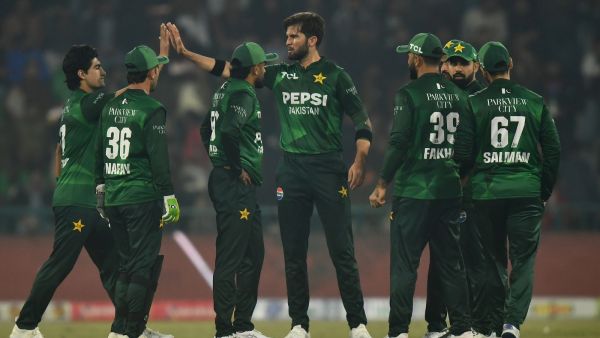
The clash between India and Pakistan is abiggest revenue generator not only for the ICC but also for the broadcasters, with the fixtures accounting for peak viewership, advertising demand, and commercial returns during global tournaments.
If Pakistan goes ahead with the boycott of the India clash, the broadcasters might face reduced viewership, advertiser pullouts, and disrupted commercial projections tied to the marquee fixture. It was reported that the PCB’s share of annual revenue of $34.5 million will be paid to the broadcasters to cover their losses.
-
Arsenal Midfielder Mikel Merino Needs Foot Surgery But Should Be Fit For World Cup
-
India Secures Rights to Host 2027 Asian Rifle & Pistol Championship After Successful Bid

-
Fenerbahce Blames Al-ittihad For Collapse Of The N’Golo Kanté Transfer

-
Russian attacks on Ukraine 'don't signal seriousness' on peace: NATO chief

-
SSB, guarding Nepal, Bhutan borders, equipped with state-of-the-art surveillance equipment: Govt