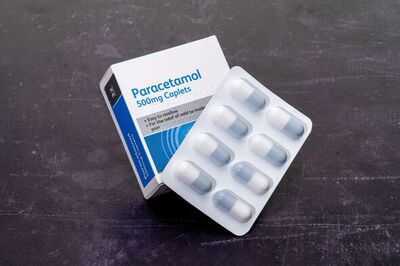
Paracetamol ranks amongst Britain's most widely used medications, renowned for its pain-relieving properties and fever-reducing capabilities. Approximately 200 million packets of this analgesic are purchased without prescription annually across the UK.
Nevertheless, many individuals may be astonished to discover that the medicine isn't always appropriate for their use, as it can interfere with how other treatments function. To assist patients, NHS GP Dr Abdul has advised caution regarding which other medicines are taken alongside paracetamol, warning of potentially severe consequences.
Using social media, Dr Abdul cautioned those taking co-codamol, another frequently prescribed painkiller, to cease using paracetamol due toa crucial detail many fail to recognise.
"What is the difference between Co-codamol and Paracetamol - this one is an important one to know because of a common mistake that patients can make," he stated at the beginning of his video.
He proceeded to clarify that paracetamol is a standard non-prescription pain remedy available in 500mg tablets, describing it as a 'GP's best friend'.
It's a broadly used analgesic and antipyretic medication that alleviates mild-to-moderate pain and discomfort, including headaches, muscular pain, arthritis, and dental ache, whilst also helping to lower fevers.
One reason for its widespread use is its accessibility, combined with relatively few side effects, though rare reactions such as rashes or allergic responses can occur. However, excessive consumption may result in serious liver and kidney damage, particularly when mixed with alcohol.
Co-codamol also contains paracetamol, which is indicated by the 'mol' in its name. It's a combination painkiller comprising both paracetamol and codeine, prescribed for moderate to severe pain, including headaches, migraines, muscle aches, and toothache.
These tablets typically contain 500mg of paracetamol each, along with varying quantities of codeine, an opioid medication also employed to treat moderate pain.
"And here's where the mistake comes," the doctor explained. "People would take Co-codamol, for example, maximum dosage, so that's tends to be two tablets every six to eight hours.
"But if that is not working for their pain, they may actually end up taking paracetamol on top of that, not knowing that the co-codamol already contains paracetamol."
This commonly results in patients inadvertently overdosing on paracetamol, as the maximum daily dosage is four grams. Such an overdose constitutes a medical emergency that may cause severe liver damage or liver failure, potentially proving fatal.
What are safe pain relief medications to take with co-codamol?However, if you're taking co-codamol and feel you require additional pain relief, the NHS suggests using other over-the-counter pain medication, such as ibuprofen and aspirin. These are deemed safe to take alongside co-codamol.
They also caution against using other medicines containing paracetamol, including painkillers like Tramacet and co-dydramol, migraine treatments, and certain cough and cold remedies such as Lemsip and Night Nurse.
Furthermore, the NHS also advises that some other medication can influence how co-codamol works, whilst the co-codamol can also prevent some other medicines from working as effectively as they should. For this reason, you should inform your doctor about any other medications you're taking to ensure they are compatible with co-codamol.
-
Bangladesh’s Jamaat-e-Islami announces polls manifesto pledging inclusion of women in cabinet

-
India–US deal to remove trade uncertainties and support foreign inflows: SEBI Chairman

-
Tripura CM stresses ethics-based education, highlights progress in safety and infrastructure

-
Brits heading to USA warned of little-known rule that could see them handed £300 fine

-
5 things you need to know about Starmer's botched handling of Mandelson scandal