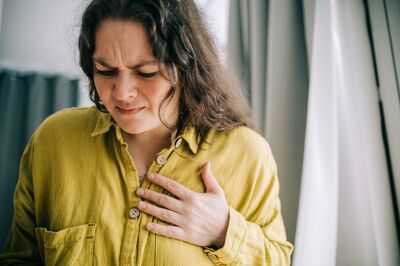
More than 7.6 million people in the UK are living with heart or circulatory diseases, according to the British Heart Foundation. It’s also estimated that one in 12 people is affected by the disease globally.
Heart disease describes a range of conditions that affect the heart and blood vessels. It is often caused by fatty deposits in the arteries, and this can cause a higher risk of blood clots. It can also cause damage to the brain, heart, kidneys and eyes. Someblood tests are able to measure different types of fats within the body.
With February marking National Heart Month, LloydsPharmacy Online Doctor surveyed 500 UK respondents to find out how much they know about the symptoms of heart disease. Lloyds' Dr Bhavini Shah explains these symptoms in detail and shares practical steps on how to reduce your risk.
- Princess Eugenie's friend responds to Epstein 's***-show' with major update
- Woman who waited 18 hours to call police after fatal hotel assault jailed
Chest pain is a common symptom of heart disease. Chest pain that feels like pressure, tightness, squeezing, or heaviness could be a symptom of a heart attack, and it’s essential to dial 999. Of those who were surveyed, 80% identified chest pain as a symptom, making it the most recognised overall.
Alongside this, 77% correctly identified shortness of breath as a symptom. Dr Shah explains that if the heart isn’t pumping enough blood throughout the body, fluid may build up in the lungs, making it difficult to breathe and leading to shortness of breath.
Irregular heart rhythms can also be an indication of heart disease, which 70% of people were aware of. While this might not be directly linked to a serious condition, it’s important to get this checked to understand any underlying issues.

A total of 66% of surveyed respondents acknowledged that extreme fatigue can also be a symptom, making day-to-day activities or mild exercise exhausting.
Dr Shah also says that leg swelling, medically known as oedema, is a less well-known symptom of heart disease and occurs when fluid builds up in the tissue. This can worsen throughout the day. Less than half (46%) were aware of this.
If you have any of these symptoms and are concerned you may be at risk of a heart attack, it's essential to dial 999. Additionally, seek medical attention from a GP.
How to reduce your risk of heart disease Eat healthilyReducing fat intake is an effective way to not only lower your risk of coronary heart disease but also help reduce blood pressure and cholesterol levels. According to the NHS, a high-fibre, low-fat diet is recommended and should include at least five servings of fruit and vegetables, as well as whole grains (oats, rye and brown rice). The NHS also advises limiting salt intake to no more than 6g per day and avoiding saturated fats, as they can increase cholesterol levels.
Get activeDr Shah recommends staying active to prevent heart disease. According to the British Heart Foundation, keeping active can reduce your risk of heart disease by up to 35%.
Staying active also helps regulate your blood pressure and lower your cholesterol. It’s recommended to engage in at least 150 minutes of exercise per week. Whether it’s walking, cycling, swimming or attending a fitness class, finding an activity you enjoy could help you stay more consistent and maintain that healthy lifestyle.
According to the charity Action on Smoking and Health, when a person smokes cigarettes, it damages the lining of the arteries, including the coronary arteries. A chemical called acrolein interferes with the body’s ability to process cholesterol, leading to higher levels in the bloodstream.
Limit alcohol intakeAnother way to reduce your risk of heart disease is to drink alcohol in moderation. NHS guidelines say that men and women should not drink more than 14 units of alcohol per week and that these units should be spread over at least three days and not consumed all at once. There is a link between drinking too much alcohol and high blood pressure. Regularly going over the recommended 14 units a week over 10 years can increase your risk of developing heart disease or stroke.
Get quality sleepIt’s important to get a good night's rest. There may be an increased risk of heart disease if you have a lack of sleep. A healthy adult needs between seven and nine hours a night. Teenagers, children and babies will need more, anywhere from eight to 16 hours. Making small but manageable changes to your daily routine can have a big impact on your heart health.
LloydsPharmacy Online Doctor surveyed 500 British adults on attitudes and knowledge of heart disease and prevention.
-
India thrash Bhutan 8-0 to reach SAFF U-19 Women’s final

-
Satvika Veeravalli introduced as protagonist of Dulquer Salmaan-starrer ‘Aakasamlo Oka Tara’

-
Which country has the most motorcycles in Europe?

-
RBI likely to refrain from another policy rate cut this week: Economists
-
Tatwa Technologies Launches AI-Powered ‘OmniAgent’ on 24th Foundation Day