
Dogs may not speak our language, but they are constantly communicating. From the way they wag their tail to how they position their ears or avoid eye contact, every movement carries meaning. Many pet parents unknowingly miss these subtle cues, leading to confusion, stress, or even behavioural issues. Understanding dog body language is not just about bonding, it's essential for your pet's emotional well-being, safety, and happiness.
Dogs use their to express needs like hunger, affection, fear, excitement, or discomfort. Learning to read these signals helps you respond correctly, strengthening trust, and prevent misunderstandings. Whether you're a first-time dog parent or a seasoned pet lover, decoding these signals can completely change the way you interact with your furry companion. Here are 8 powerful dog body language signals that clearly show what your pet wants, once you know what to look for, you’ll never see your dog the same way again.
1. Tail Wagging Isn't Always Happiness

A wagging tail doesn't automatically mean your dog is happy. The speed, height, and stiffness of the wag matter more the wag itself. A relaxed, wide wag at mid-height usually signals friendliness or excitement, often seen when you return home. However, a stiff, slow wag held high can indicate alertness or even aggression. If the tail is tucked between the legs, it often reflects fear, anxiety, or submission. Some dogs wag their tails rapidly while feeling overstimulated or nervous, especially in unfamiliar environments. Understanding tail language helps prevent misreading your dog’s emotions. Responding calmly when your dog shows stress signals can stop situations from escalating.
2. Ear Position Reveals Emotional State
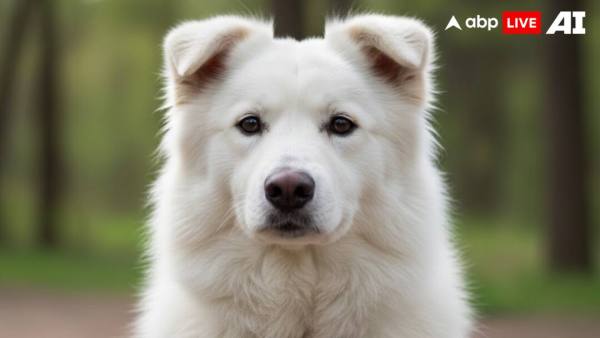
A dog’s ears act like emotional antennas. When ears are upright and forward, your dog is alert, curious, or focused on something important. This often means they want to investigate or are awaiting your reaction. Relaxed ears usually indicate calmness and comfort. Ears pulled back or flattened against the head often signal fear, submission, or anxiety. This body language commonly appears during loud noises, vet visits, or unfamiliar encounters. Some dogs lower their ears when they’re seeking reassurance or feeling unsure. If your dog’s ears keep shifting rapidly, it can indicate confusion or heightened alertness. Paying attention to ear movements allows you to understand whether your dog wants comfort, distance, or engagement.
3. Eye Contact Speaks Volumes
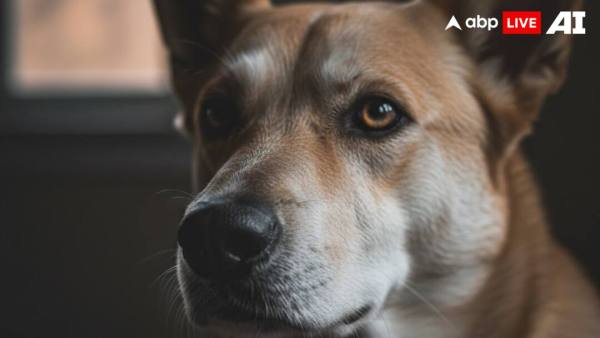
Dogs communicate a lot through their eyes. Soft, relaxed eye contact often signals affection, trust, or contentment. When your dog looks at you calmly, they may be seeking attention, approval, or connection. On the other hand, wide eyes showing more white, often called “whale eye”, indicate stress, discomfort, or fear. Avoiding eye contact can be a sign of submission or anxiety, especially in tense situations. Prolonged, intense staring may signal a challenge or warning, particularly around food or toys. Understanding eye signals helps prevent bites and behavioural issues. If your dog avoids eye contact, they may want space or reassurance rather than interaction.
4. Body Posture Shows Confidence Or Fear
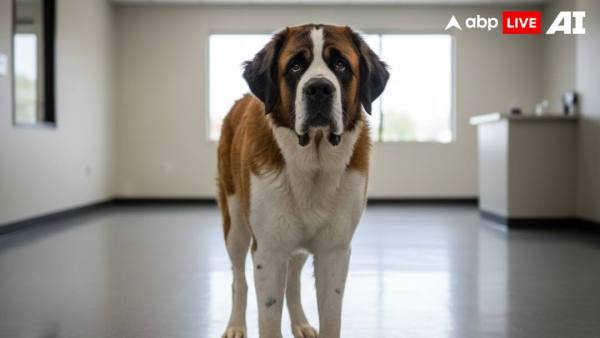
A relaxed dog has a loose, wiggly body posture. Their movements appear fluid, and they’re comfortable in their surroundings. This usually means your dog feels safe and content. A stiff, frozen posture is a red flag. It often indicates fear, stress, or potential aggression. Dogs may freeze before reacting defensively if they feel threatened. A lowered body or crouching posture often signals submission or anxiety, while a puffed-up chest and raised hackles show heightened alertness or dominance. By observing posture, you can tell whether your dog wants interaction, reassurance, or distance.
5. Licking And Yawning Are Stress Signals
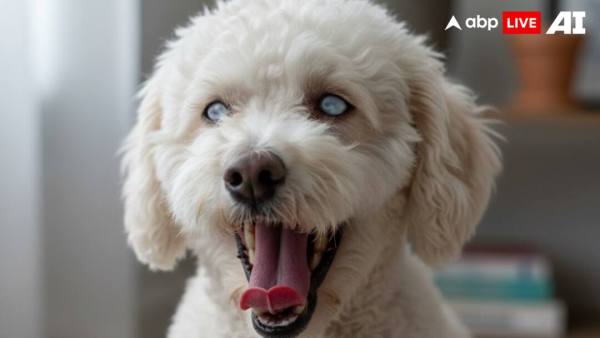
Many pet parents mistake excessive licking or yawning as normal behaviour, but these are often calming signals. Dogs lick their lips or yawn when they feel nervous, overwhelmed, or uncomfortable. This commonly happens during training sessions, loud environments, or unfamiliar social interactions. Yawning helps dogs self-soothe and release tension. If your dog yawns repeatedly without being tired, they may be telling you they need a break or space. Lip licking can also signal anticipation or mild anxiety. Recognising these stress indicators allows you to reduce pressure and adjust the situation.
6. Rolling Over Shows Trust Or Uncertainty

When a dog rolls onto their back, it can mean trust, playfulness, or submission, depending on context. A relaxed dog exposing their belly with loose movements usually invites affection or play. This is a sign of deep trust. However, a tense dog lying stiffly on their back may be showing submission or fear rather than asking for belly rubs. Look at facial expressions and body tension before responding. If the dog avoids eye contact or keeps muscles tight, they may want space. Understanding this difference prevents miscommunication and helps you respect your dog’s comfort boundaries while strengthening your bond.
7. Paw Lifting Signals Uncertainty Or Attention-Seeking
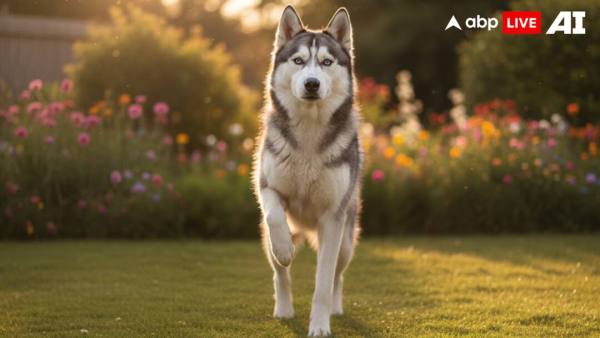
A lifted paw often indicates hesitation, curiosity, or mild anxiety. Dogs may lift a paw when unsure about a situation or when trying to assess their surroundings. In some cases, it’s a learned behaviour to seek attention or treats. This signal commonly appears during training, when encountering new people, or when dogs want reassurance. A relaxed lifted paw paired with soft eyes often means curiosity, while stiffness indicates uncertainty. Responding gently and confidently helps your dog feel supported and secure. This subtle cue is easy to miss but extremely telling once you learn to spot it.
8. Leaning Into You Means Comfort And Affection

When your dog leans against you, it’s often a sign of trust, affection, and emotional bonding. Dogs lean on their humans for comfort, reassurance, and security, especially in unfamiliar or stressful situations. Excessive leaning can also indicate anxiety or lack of confidence. In such cases, your dog may be seeking protection or reassurance. Understanding the context helps you respond appropriately, offering calm support rather than reinforcing fear. This simple gesture reflects how safe your dog feels with you. Recognising it strengthens emotional connection and deepens mutual trust.
[Disclaimer: The information provided in this article is intended for general informational purposes only. It is not a substitute for professional veterinary advice, diagnosis, or treatment. Always consult a qualified veterinarian regarding your pet’s health, diet, or any medical concerns.]
-
Who Could Take Shai Gilgeous-Alexander’s Spot in the 2026 NBA All-Star Game? Assessing the Leading Options

-
“Your words won't dim KCR's legacy”: KT Rama Rao slams Telangana CM over his remark on KCR

-
Chennai-New Jalpaiguri Express derails in Odisha, CPRO reports no casualties or injuries

-
Kunal Kamra Summoned by Maharashtra Legislative Council for Alleged Remarks

-
Do you get tired quickly while running? Learn from an expert: 5 effective ways to increase your stamina.