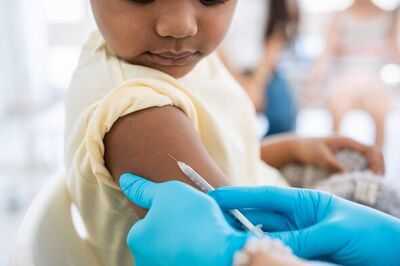
Parents are being encouraged to carry out an essential check on a particular element of their children's health. The UK Health Security Agency (UKHSA) released a warning on the matter suggesting that it could help prevent 'serious' illnesses in young people.
Writing on X, the Government agency said: "Illnesses such as measles and whooping cough can be serious. Vaccinating your child can help protect them and others. To check if they are missing any vaccines, look in their red book or speak to your GP practice."
The UKHSA is far from alone in holding this view. The NHS similarly stresses the importance of receiving vaccinations on time for maximum protection. If you or your child has missed an appointment, it's straightforward to book a catch-up session by contacting your GP surgery.
Further information from the NHS adds: "Anti-vaccine stories are often spread online through social media and offline. Always get your vaccine and health information from trusted sources, such as the NHS or World Health Organisation (WHO).
"The vaccine information on social media may not be based on scientific evidence and could put your child at risk of a serious illness. All the current evidence tells us that getting vaccinated is safer than not getting vaccinated."
When should children be vaccinated?The health service outlines the standard vaccination programme for children as follows:
Eight weeks
- 6-in-1 vaccine (1st dose)
- MenB vaccine (1st dose)
- Rotavirus vaccine (1st dose)
12 weeks
- 6-in-1 vaccine (2nd dose)
- MenB vaccine (2nd dose)
- Rotavirus vaccine (2nd dose)
16 weeks
- 6-in-1 vaccine (3rd dose)
- Pneumococcal vaccine (1st dose)
One year
- MMRV vaccine (1st dose for children born on or after 1 January 2025)
- MenB vaccine (3rd dose)
- Pneumococcal vaccine (2nd dose)
One year and 6 months (18 months)
- 6-in-1 vaccine (4th dose for children born on or after 1 July 2024)
- MMRV vaccine (1st or 2nd dose for children born on or after 1 July 2024)
Two to 15 years
- Children's flu vaccine (every year until children finish Year 11 of secondary school)
Three years and four months
4-in-1 pre-school booster vaccine
MMRV vaccine (1st or 2nd dose for children born between 1 September 2022 and 31 December 2024)
12 to 13 years
- HPV vaccine
14 years
- Td/IPV vaccine (3-in-1 teenage booster)
- MenACWY vaccine
Some vulnerable groups may also qualify for additional vaccines through the NHS for enhanced protection. This might include children with weakened immune systems or those with chronic health conditions.
For additional information regarding immunisations for young people, visit the NHS website.
-
Famine spreads to more towns in Sudan’s Darfur, hunger experts warn
-
Opposition MPs stage walkout during PM’s reply in Rajya Sabha

-
Lingayat legislators’ meet not show of strength: Minister MB Patil
-
MP: Cow vigilantes attack man, force him to chant ‘Jai Shri Ram’
-
World confident of stability after India’s trade deals: PM Modi