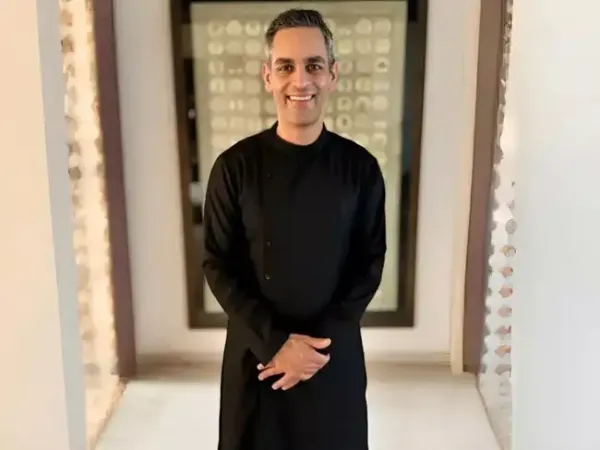
Few career journeys capture attention like Ankur Warikoo’s meteoric rise in just five years. Starting with a modest salary of Rs 14,746 per month at 24, he navigated a path that led him to earn Rs 33 lakh per annum by the age of 29. His secret wasn’t luck or connections, but a relentless focus on investing in himself—learning, observing, experimenting, and making strategic choices that turned him from a physics graduate into one of the fastest-rising professionals in his field.
Ankur Warikoo’s journey began with a recognition that the most valuable asset he could invest in was himself. He spent his early career observing colleagues, seeking guidance, reading extensively, and identifying ways to progress. Understanding the value of formal education and strategic pivoting, he pursued an MBA from ISB, taking a loan with a clear plan. Unlike peers who expected a massive salary jump, he aimed for Rs 35,000 per month, carefully balancing his ambitions with the financial commitment of the loan.
During his MBA, he focused on excelling as a generalist, maintaining a top 15% ranking in his batch while actively engaging in a range of learning and networking opportunities. This dedication paid off when he landed one of the top jobs on campus with a salary of Rs 12 lakh per annum. His performance and approach to learning led to rapid recognition, and within just 1.5 years, he received the fastest promotion in the firm’s history, doubling his salary. By the time he decided to move on, his earnings had reached Rs 33 lakh per annum, an extraordinary leap from his starting point of Rs 3 lakh five years prior.
For Ankur Warikoo, the journey demonstrates that the highest returns come from investing in the self—mind, body, and education. He emphasises consistent learning, maintaining physical health, and leveraging new skills to open doors to opportunities. According to him, industries evolve, responsibilities grow, and career trends change, but the ability to learn and grow remains the single most compounding asset, creating pathways to success beyond mere financial gain.
Several highlighted that self-development is the only asset that doesn’t depreciate in volatile markets. While technical skills may have a half-life, the meta-skill of learning how to learn keeps a person indispensable. Investing in personal growth allows someone not just to keep up with change but to set the pace.
Some noted that this truth often becomes clear only in hindsight. Self-development isn’t about optimism; it’s about staying relevant as rules and industries evolve. Roles vanish, sectors reset, and credentials lose value, yet those who remain steady aren’t necessarily the smartest—they are the most adaptable. Learning compounds quietly, travelling with an individual across jobs, titles, and stages of life, suggesting that careers could look very different if people treated themselves as their primary long-term asset.
Ankur Warikoo’s journey began with a recognition that the most valuable asset he could invest in was himself. He spent his early career observing colleagues, seeking guidance, reading extensively, and identifying ways to progress. Understanding the value of formal education and strategic pivoting, he pursued an MBA from ISB, taking a loan with a clear plan. Unlike peers who expected a massive salary jump, he aimed for Rs 35,000 per month, carefully balancing his ambitions with the financial commitment of the loan.
During his MBA, he focused on excelling as a generalist, maintaining a top 15% ranking in his batch while actively engaging in a range of learning and networking opportunities. This dedication paid off when he landed one of the top jobs on campus with a salary of Rs 12 lakh per annum. His performance and approach to learning led to rapid recognition, and within just 1.5 years, he received the fastest promotion in the firm’s history, doubling his salary. By the time he decided to move on, his earnings had reached Rs 33 lakh per annum, an extraordinary leap from his starting point of Rs 3 lakh five years prior.
For Ankur Warikoo, the journey demonstrates that the highest returns come from investing in the self—mind, body, and education. He emphasises consistent learning, maintaining physical health, and leveraging new skills to open doors to opportunities. According to him, industries evolve, responsibilities grow, and career trends change, but the ability to learn and grow remains the single most compounding asset, creating pathways to success beyond mere financial gain.
Internet reacts
Many users resonated with Ankur Warikoo’s message, noting how easy it is to ignore the need for self-investment. One reflected on waiting too long to build skills and how growth eventually saved them, emphasising the importance of developing abilities even when things feel calm. Others pointed out that learning compounds, but without the ability to clearly articulate what you’ve learned, the return on that investment can remain limited.Several highlighted that self-development is the only asset that doesn’t depreciate in volatile markets. While technical skills may have a half-life, the meta-skill of learning how to learn keeps a person indispensable. Investing in personal growth allows someone not just to keep up with change but to set the pace.
Some noted that this truth often becomes clear only in hindsight. Self-development isn’t about optimism; it’s about staying relevant as rules and industries evolve. Roles vanish, sectors reset, and credentials lose value, yet those who remain steady aren’t necessarily the smartest—they are the most adaptable. Learning compounds quietly, travelling with an individual across jobs, titles, and stages of life, suggesting that careers could look very different if people treated themselves as their primary long-term asset.