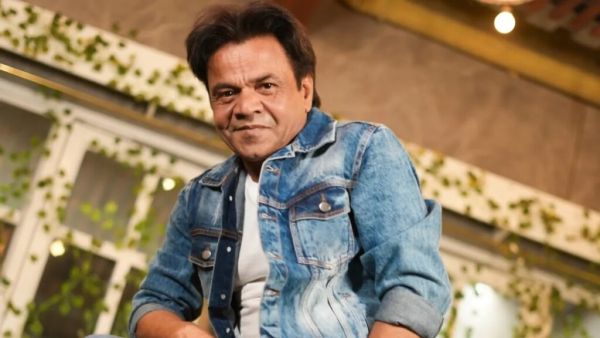
New Delhi/Mumbai — Bollywood actor Rajpal Yadav surrendered himself to Tihar Jail authorities on 5 February 2026after the Delhi High Court refused to extend his deadline for surrender in a long-running cheque bounce case. The actor’s decision to report to prison followed key legal developments and missed settlement deadlines in the dispute dating back more than a decade.
What the court ordered
The Delhi High Court, led by Justice Swarana Kanta Sharmadeclined Yadav’s plea for more time to surrender after he failed to comply with earlier court orders. The bench made it clear that the actor would be entitled to further hearings only after he “first surrender before the jail authorities,” underscoring the judiciary’s firm stance on compliance.
Court records show that Yadav’s counsel had informed the bench that he had arranged ₹50 lakh and sought a week’s extension to deposit the funds owed to the complainants, but the application was refused. The bench emphasised there was “no ground to grant further relief,” having previously granted him time on multiple occasions.
Why he was ordered to surrender
Yadav’s legal troubles stem from multiple cheque bounce cases filed by M/s Murli Projects Private Limited to loans taken for film projects and repayments that were never completed. Initially convicted and sentenced to six months’ imprisonment by a trial court, the sentence was subsequently suspended by the High Court in June 2024 on condition that Yadav would reach a settlement with the complainant company.
The High Court noted that despite repeated promises and clear timelines, Yadav failed to honour commitmentsinvolving payments running into crores of rupees, breaching undertakings given to the court. This repeated non-compliance prompted the judiciary to refuse further extensions and uphold the surrender order.
Latest court hearing and refusal of relief
In the hearings leading up to his surrender, Yadav had appeared in person before the High Court and submitted that a payment of ₹25 lakh would be made immediately, with the balance to follow under a tentative repayment schedule. However, the bench refused to consider this arrangement, stating that leniency previously extended would not be repeated.
The High Court made it clear that Yadav’s matter would only be heard after he complied with the surrender order, signalling the judiciary’s limited tolerance for repeated failure to meet judicially mandated deadlines and undertakings.
What happened next
Following the High Court’s refusal to grant relief, Yadav surrendered himself at Tihar Jail around 4 pm on Thursdayaccording to police sources. Jail authorities will now carry out standard procedures before Yadav begins serving the six-month sentence awarded by the trial court.
Legal analysts say that cheque bounce cases under the Negotiable Instruments Act often involve attempts at settlement, but persistent non-compliance with court orders can lead to custodial sentences as seen in this case.
Background of the dispute
The dispute traces back to a loan of about ₹5 crore reportedly taken by Yadav for film production, with agreements to repay a larger amount. According to complaints from the lending company, several cheques issued as part of the repayment plan were dishonoured, leading to the criminal proceedings.
In earlier hearings, the High Court criticised Yadav’s conduct and highlighted the fact that he had repeatedly sought time and made assurances that were not followed up, diminishing the court’s willingness to grant further relief.