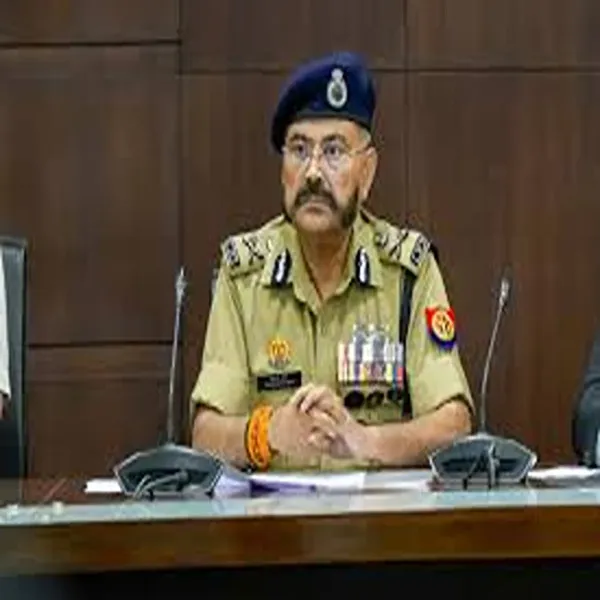
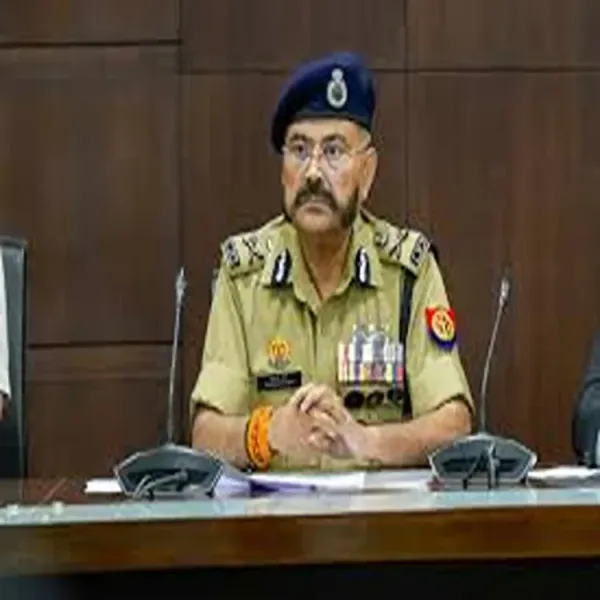
DGP – The Supreme Court on Thursday stressed that state governments must act without delay in forwarding proposals to the Union Public Service Commission for the appointment of Directors General of Police, underlining the importance of stable leadership at the helm of state police forces.
Court Raises Concern Over Prolonged Vacancies
Hearing the matter in New Delhi, the apex court expressed dissatisfaction over the continuing practice in several states of appointing acting police chiefs instead of making regular, full-time selections. The bench noted that such interim arrangements weaken institutional stability and undermine earlier judicial directions aimed at reforming police administration.
The judges observed that delays in initiating the appointment process have become a recurring issue, despite clear guidelines already laid down by the court. They emphasized that state governments are expected to plan well in advance and ensure that leadership transitions do not disrupt the functioning of law enforcement agencies.
UPSC Given Authority to Follow Up With States
In a significant move, the Supreme Court granted the Union Public Service Commission the authority to formally remind states to submit their proposals for DGP appointments on time. The court made it clear that this step was necessary to prevent repeated lapses and to ensure compliance with established procedures.
According to the bench, empowering the UPSC to seek timely action would help maintain discipline in the appointment process and reduce the scope for administrative inertia. The court said this mechanism would act as a safeguard against unnecessary delays that have persisted despite previous warnings.
Warning of Legal Consequences for Non-Compliance
The court went a step further by stating that if states fail to respond even after reminders, the UPSC would be free to initiate contempt proceedings. This warning signals a tougher stance against continued disregard of judicial directions related to police reforms.
The bench underscored that court orders are not optional and must be followed in both letter and spirit. Persistent failure to adhere to these directions, it said, could invite legal consequences, especially when such delays affect governance and public safety.
Reference to Earlier Police Reform Directions
While issuing the directive, the Supreme Court reiterated that its intent was to prevent any dilution of the principles laid down in earlier landmark judgments on police reforms. Those rulings were designed to ensure greater independence, professionalism, and continuity in police leadership across states.
The judges noted that appointing acting DGPs for extended periods runs contrary to these objectives and opens the door to uncertainty within the police hierarchy. Regular appointments, they said, are essential for long-term planning, accountability, and effective law enforcement.
Emphasis on Timely and Transparent Appointments
The court’s latest observation reinforces the expectation that states must follow a transparent and time-bound process while selecting their top police officials. It also highlights the role of constitutional institutions like the UPSC in preserving fairness and consistency in appointments to key public offices.
By authorising proactive follow-ups and warning of possible contempt action, the Supreme Court has sent a clear message that delays in appointing permanent police chiefs will no longer be viewed lightly. The ruling is expected to prompt states to review their current practices and align them with judicial mandates.
Tag words: Supreme Court, DGP appointment, police reforms, UPSC, state governments, law enforcement leadership, judicial directions
-
204 Holi special trains to run across NCR as railways prepare for peak festival travel

-
High Cholesterol Warning: These Foods and Lifestyle Habits Raise Levels Fast
-
How A Naga Officer Hoisted India’s Flag In Tawang And Changed History Without Firing A Shot
-
‘This was never about any community’ Manoj Bajpayee breaks silence on Ghooskhor Pandat title row | See POST
-
Rajpal Yadav’s Second Wife Is 9 Years Younger — But Much Taller Than Him (PHOTOS)