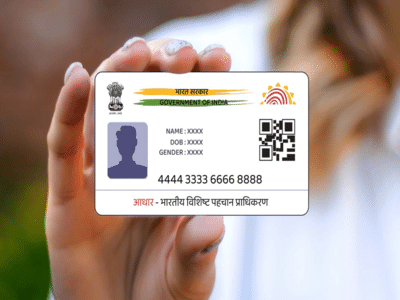
The government has stated that it has so far deactivated more than 25 million Aadhaar cards belonging to deceased individuals. Since individuals have a lifespan, the government deactivates such documents after their death. The government maintains records of all documents required for identification. This process is completed through updates. The government receives information about a person's death primarily through the Civil Registration System. When a person dies, and the family obtains a death certificate, the data is entered into the government database.
Tech Tips and Tricks
These are the ways to deactivate an identity card:
Aadhaar Card: UIDAI has launched a feature called "Report Death of a Family Member" on the "MyAadhaar" portal. Family members can deactivate it by providing the death certificate and Aadhaar number. So far, the government has deactivated the Aadhaar numbers of approximately 25 million deceased individuals.
Voter ID: The Election Commission is now directly using death registration data. Additionally, family members can remove names by filling out Form No. 7 and submitting the death certificate to the electoral office.
PAN Card: Family members must manually surrender this number to the Income Tax Department, especially after the deceased's tax-related work is completed.
Passport: A passport is considered invalid until its validity expires, but an application for surrender can be submitted to the nearest passport office with a death certificate.
Why was this done?
The primary purpose is to prevent the misuse of a deceased person's name or Aadhaar and to prevent fraud. The government wants Aadhaar data to be absolutely accurate and secure.
More than 25 million Aadhaar numbers have been deactivated so far
IT Minister Jitin Prasada stated that approximately 1.34 billion people in India have Aadhaar cards. He stated that the government is conducting a nationwide clean-up campaign to ensure accurate Aadhaar records. As part of this initiative, over 25 million Aadhaar numbers of deceased individuals have been deactivated so far.
Steps taken to prevent misuse
The Minister clarified that deactivating an individual's Aadhaar card after their death is mandatory to prevent crimes like identity theft and to prevent anyone from misusing the deceased's Aadhaar to gain undue benefits from government schemes.
Advanced technology for security
The government has introduced several new features to prevent fraud and ensure that the benefits of government schemes reach the rightful recipients. Aadhaar card holders can now lock their fingerprints and iris (biometrics), preventing anyone from using their Aadhaar without their consent. Additionally, face authentication technology has been added, ensuring the identity of the individual present during a transaction. Additionally, easy methods like secure QR codes and e-Aadhaar are being promoted to verify identity even without internet.
Disclaimer: This content has been sourced and edited from Amar Ujala. While we have made modifications for clarity and presentation, the original content belongs to its respective authors and website. We do not claim ownership of the content
-
Exciting Start to Pickleball Now Grand Prix in Mumbai

-
Vegetation Fire Erupts Near Hunter's Point Naval Shipyard in San Francisco

-
Daylight Stabbing Incident on Manhattan's Upper West Side

-
Bhavishya Yaan Students Discover Mumbai's Real-Life Heroes Through Angels of Mumbai

-
Daily Tarot Horoscopes For Friday, July 24, 2026