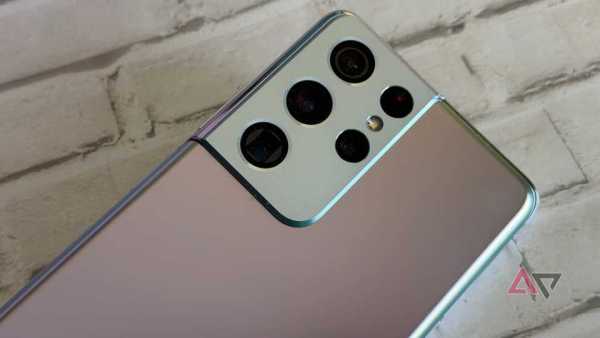
Samsung has officially ended software and security update support for the Galaxy S21 series including the Galaxy S21, Galaxy S21+, and Galaxy S21 Ultra as of early February 2026. This marks the conclusion of the device lineup’s scheduled lifecycle and removes these once-flagship phones from Samsung’s regular update roster.
The move was confirmed after Samsung’s official update roadmap removed the S21 models from both monthly and quarterly update schedules. That means they will no longer receive Android upgrades, security patches, or new feature support through Samsung’s official channels.
When Samsung launched the Galaxy S21 series in January 2021, it came with a clear software support promise: four major Android operating system upgrades and five years of security updates. Starting with Android 11 out of the box, the lineup went on to receive:
- Android 12 / One UI 4 (late 2021)
- Android 13 / One UI 5 (late 2022)
- Android 14 / One UI 6 (2023/early 2024)
- Android 15 / One UI 7.0 (first half of 2025)
Samsung also provided security patches beyond those OS upgrades, including quarterly updates after the final major release,a practice that extended support into early 2026. With the removal from the update list, the S21 models have now fully completed the five-year promise Samsung initially made to users.
What This Change Means for Owners
For owners of Galaxy S21, S21+, and S21 Ultra devices, the removal of support is significant:
No More Security Updates
Without ongoing security patches, these devices become more vulnerable to emerging threats, bugs, and newly discovered exploits. While existing software and hardware will continue to function, routine defense against evolving cybersecurity risks ceases. Experts caution that devices without timely security updates can be riskier for mobile banking, sensitive communications, and business use.
No Future Android or One UI Upgrades
The S21 lineup will remain on One UI 7 (Android 15) permanently, with no upgrades to subsequent versions such as Android 16 or One UI 8 that newer Samsung phones are expected to receive. This means missing out on future features, refinements, and performance improvements that come with later system updates.
Continuing to Work but Aging in Place
Although apps and services will continue to run, developers gradually drop support for older OS versions, which could eventually lead to compatibility issues. For many users the phone will still function normally for messaging, browsing, media, and daily use but the long-term viability is diminished without updates.
S21 FE: The Exception in the Family
Interestingly, one device tied to the S21 era is still receiving support: the Galaxy S21 FE (Fan Edition). Because the S21 FE launched about a year later than the other S21 models and with a newer Android version out of the box, it remains eligible for updates into 2027 under Samsung’s current schedule.
The S21 FE is also transitioning to quarterly security updates rather than monthly patches, reflecting Samsung’s standard practice as devices age and move down the update priority list.
Why Support Ends Now: Samsung’s Policy Shift
Samsung’s current update pledge seven years of Android and security updates applies only to devices that launched after the policy was introduced in 2024, such as the Galaxy S24, S25, and newer models. The Galaxy S21 series predates that commitment, so its support window was shorter by design.
The shift to longer support cycles reflects broader industry pressure, especially from customers who expect smartphones to remain secure and functional for longer periods. By extending update timelines on recent models, Samsung is competing more directly with rivals such as Google and Apple, both of which have long update histories.
Impact on the Secondary Market and Resale
The end of official updates often affects the resale value of older phones. Devices that are no longer supported tend to command lower prices in the used market because buyers factor in security and app compatibility concerns. For S21 owners looking to sell or trade in their devices, this year may be the best window to do so before the value declines further.
Security and Risk Management Advice
If you’re continuing to use a Galaxy S21 device without updates, here are some recommended precautions:
- Use strong passwords and screen locks, and enable biometric security where available.
- Keep apps updated through the Google Play Store to ensure the latest protections.
- Avoid handling sensitive business data or financial transactions on unsupported devices.
- Consider upgrading to a newer Samsung model that receives active updates if security is a priority.
While emergency “out-of-cycle” patches might still occur if a critical vulnerability arises, Samsung has no obligation to do so, so it’s better to assume reliance on updates will no longer be consistent.
Samsung’s update strategy now features a two-tier structure: a long-term seven-year commitment for recent models and a phased, predictable end point for older phones. This dual approach helps balance developer resources with customer expectations across a vast device portfolio.
For the broader Galaxy ecosystem which includes foldables, tablets, and mid-range devices, the extended update promise represents a major selling point. Consumers increasingly evaluate not just hardware specs but the longevity of software support when choosing a phone.
The discontinuation of software support for the Galaxy S21, S21+, and S21 Ultra marks a significant milestone in Samsung’s smartphone history. These models helped define Samsung’s early 2020s flagship strategy, bringing innovations in design, camera technology, and performance. After more than five years of updates, they will continue to function but without the safety net of official monthly or quarterly software support.
For users, this is both a technical shift and a reminder of the rhythm of mobile technology: eventually, even widely beloved devices reach the end of their supported life. If continued security and new features matter, upgrading to a newer Galaxy phone ideally one covered by Samsung’s seven-year update plan is now the recommended path forward.
-
Has your skin started looking dull instead of glowing? Is your moisturizer the real villain?

-
Gold is harmful for people of these 3 zodiac signs including Gemini! Know for whom auspicious is auspicious

-
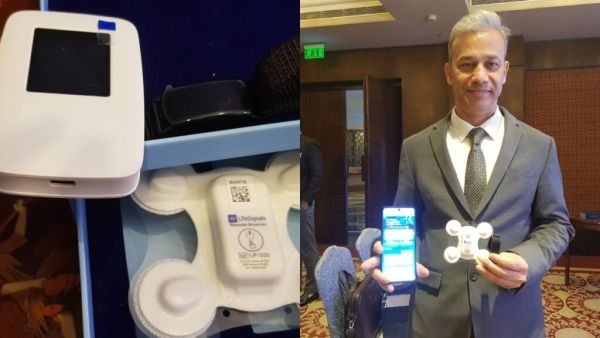
India created history, launched the world’s first AI healthcare platform, now the patient will be monitored 24×7 while sitting at home.
-
Honouring the Foundation of Global Food Culture

-
Anxiety Control: Anxiety can be controlled even without medicine! Try these 5 natural methods