There is a coincidence of solar eclipse on the Amavasya date of Phalgun month of the year 2026 i.e. 17 February, about which there is a lot of curiosity among astronomy lovers and those who believe in astrology. Apart from being an astronomical event, an eclipse is also considered extremely important from a spiritual point of view, especially when it falls on a special day like Amavasya.
However, the impact of any eclipse depends on where it is visible geographically. If you are planning to watch this eclipse while staying in India or are concerned about the rules of its Sutak period, then it is important for you to understand its astrological calculations.
Will solar eclipse be visible in India?
According to astronomical calculations, this solar eclipse will not be visible in India. Since this eclipse will not be visible in the Indian sky, it will not have any physical or spiritual impact in any part of India. It will be visible mainly in some parts of the Western Hemisphere and in maritime areas only.
Sutak period and religious influence
According to the scriptures, the Sutak period of the eclipse is effective only where the eclipse is visible. Due to absence of eclipse in India, the rules of Sutak period will not apply here. For this reason, the doors of all the temples will remain open and daily worship can be done normally. On this day, works of charity and offering to ancestors to Phalgun Amavasya can be done without any hindrance.
Importance of Falgun Amavasya
Even if the eclipse is not visible, Phalgun Amavasya is considered very fruitful in itself. On this day, one gets the blessings of ancestors by bathing in holy rivers and donating. People also perform special rituals on this day for peace and prosperity.
Note: The things written in this news are based on religious and local beliefs. We do not confirm this.
-
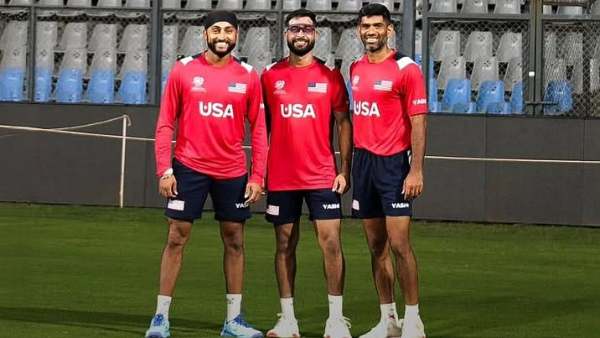
IND Vs USA T20 World Cup: Mumbai’s Own Saurabh Netravalkar, Harmeet Singh, Shubham Ranjane Return, Set For Emotional Match At Wankhede
-
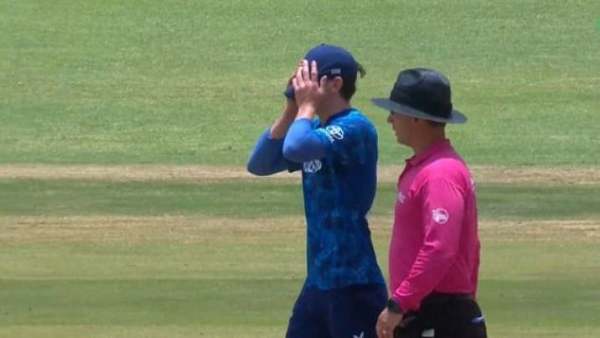
Controversy In U19 WC Final? Vihaan Malhotra Survives After Umpire Review As Farhan Ahmed Commits 'Blunder' - What ICC Rules Say
-
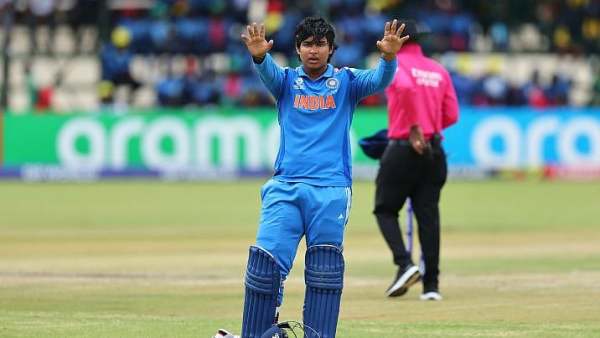
IND Vs ENG, U19 WC Final: Vaibhav Suryavanshi Smashes These Records After Mind-Boggling 175 Off 80 Balls
-
Cognizant Plans To Hire 25,000 Freshers In 2026: CFO Jatin Dalal Confirms
-
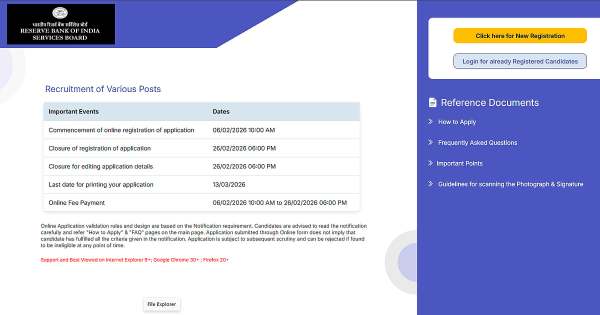
RBI Grade A and Grade B Recruitment 2026: Registration Begins At rbi.org.in; Check the Link Here