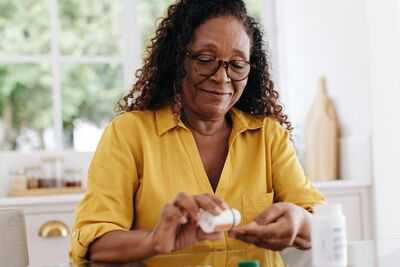
The NHS has shared some key lifestyle changes your GP might recommend before putting you on medication. These recommendations could be suggested before trying statins, one of the most commonly prescribed drugs in the UK.
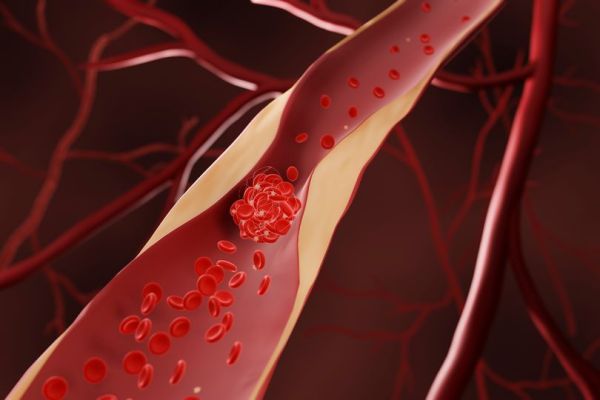
Statins are a group of drugs that can reduce the level of low-density lipoprotein (LDL) cholesterol, also referred to as “bad” cholesterol, in the blood. Having too much LDL cholesterol can be dangerous as it can cause the arteries to narrow and harden.
It is also a major risk factor for cardiovascular disease, the name for a number of conditions related to the heart and circulatory system including heart attacks, strokes, angina, and coronary heart disease. It is one of the leading causes of death in the UK.
- TUI, easyJet, Ryanair and Jet2 warning over common children's toy that's banned on flights
- Katie Price pictured looking frail with mystery man who denied he's 'her husband'
On the NHS website, the health body said a doctor may recommend taking statins if either you have been diagnosed with a form of cardiovascular disease or your personal and family medical history suggests you're likely to develop CVD at some point over the next 10 years and lifestyle measures have not reduced this risk.
Before trying statins though, your doctor will “usually” recommend you make some changes. The NHS said: “If you're at risk of developing cardiovascular disease in the near future, your doctor will usually recommend lifestyle changes to reduce this risk before they suggest that you take statins.”
According to the NHS, these can “reduce your cholesterol level and cardiovascular disease risk”. These changes are:
- Eating a healthy, balanced diet
- Exercising regularly
- Maintaining a healthy weight
- Limiting the amount of alcohol you drink
- Stopping smoking
But the NHS said: “Statins may be recommended if these measures do not help.”
DietThe health body said you should try to cut down on fatty food, especially food that contains a type of fat called saturated fat. “You can still have foods that contain a healthier type of fat called unsaturated fat,” it said.
Therefore, you should try to eat more:
- Oily fish, like mackerel and salmon
- Olive oil, rapeseed oil and spreads made from these oils
- Brown rice, wholegrain bread and wholewheat pasta
- Nuts and seeds
- Fruits and vegetables
And you should try to eat less:
- Meat pies, sausages and fatty meat
- Butter, lard and ghee
- Cream and hard cheese, like cheddar
- Cakes and biscuits
- Food that contains coconut oil or palm oil
 Exercise
The NHS said you should aim to do at least 150 minutes (2.5 hours) of exercise a week.
Stop smokingThe NHS said: “Smoking can raise your cholesterol and make you more likely to have serious problems like heart attacks, strokes and cancer.” If you want to stop smoking, you can get help and support from your GP or the NHS Stop Smoking Service – your GP can refer you or you can ring the helpline on 0300 123 1044 (England only).
AlcoholThe NHS said you should:
- Avoid drinking more than 14 units of alcohol a week
- Have several drink-free days each week
- Avoid drinking lots of alcohol in a short time (binge drinking)
The only way to be sure if your cholesterol levels are too high is to take a cholesterol test. These will confirm your:
- Total cholesterol – the overall amount of cholesterol in your blood
- Good cholesterol (called HDL) – this may make you less likely to have heart problems or a stroke
- Non-HDL cholesterol – the difference between total cholesterol and HDL
The NHS explained: “What is a good target level for you depends on things like your age, whether you have any health conditions and your risk of cardiovascular disease.” But generally, the following levels are considered “healthy”:
- Total cholesterol - below 5mmol/L
- HDL (good cholesterol) - above 1.0mmol/L for men or above 1.2mmol/L for women
- Non-HDL (bad cholesterol) - below 4mmol/L
-
U19 World Cup: India becomes world champion, still will not get a single penny from ICC

-
Vaibhav Sooryavanshi: Vaibhav Sooryavanshi had a headache, got ‘treatment’ over the phone and scored 175 runs in the final.

-
Dow Rallies Over 50,000 For The First Time, S&P 500 Edges Higher Amid Tech Revival

-
Big news for home buyers, real estate happy with this decision of RBI!
-
NVDA Shares Rally As Huang Says Demand For AI Is ‘Sky High’