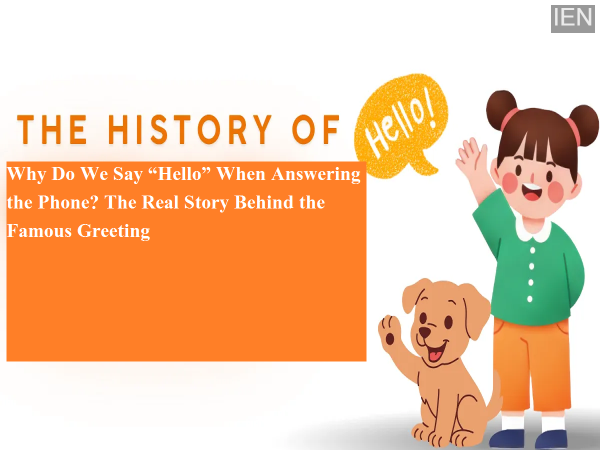
Have you ever wondered why people say “Hello” as soon as they answer a phone call? Many internet myths claim that the word “Hello” was inspired by Alexander Graham Bell’s girlfriend, but this popular story is completely false. In reality, the decision to use “Hello” as a phone greeting had nothing to do with Bell’s love life — and the credit actually goes to Thomas Alva Edison, not Bell.
The origin of the word “Hello” in telephone conversations is a fascinating mix of technology, practicality, and history. Let’s uncover the true reason behind this everyday habit.
The Popular Myth: Was “Hello” Named After Graham Bell’s Girlfriend?
A long-standing rumor on the internet suggests that Graham Bell named the greeting “Hello” after his girlfriend, whose name was supposedly Margaret Hello. However, historians and reliable records confirm that this claim is entirely fictional.
In reality:
-
Alexander Graham Bell’s wife was named Mabel Hubbard, not Margaret Hello
-
There is no historical evidence linking Bell’s personal life to the word “Hello”
-
The story has been repeated online without factual support
This makes the viral girlfriend theory a baseless internet myth rather than a historical truth.
Graham Bell Didn’t Want People to Say “Hello”
Interestingly, Alexander Graham Bell did not even support using “Hello” when answering the phone. Instead, he preferred the word “Ahoy” — a term commonly used by sailors and ship crews to get attention over long distances.
Bell believed:
-
“Ahoy” sounded distinct and clear
-
It fit the idea of calling out across distance
-
It was a more unique and recognizable greeting
If Bell had his way, people today might be answering calls with “Ahoy!” instead of “Hello!”
Thomas Edison Popularized “Hello” as the Standard Greeting
The real person responsible for making “Hello” the standard phone greeting was Thomas Alva Edison.
According to historical records and reports, Edison suggested using “Hello” in 1877 in a letter to the president of a telegraph company in Pittsburgh. He recommended the word as a clear and practical option for beginning telephone conversations.
Edison’s reasoning was simple but effective:
-
“Hello” could be heard clearly over long-distance telephone lines
-
It was easy to pronounce
-
It worked better than “Ahoy,” which could sound unclear or awkward over early phone systems
Over time, telephone companies adopted Edison’s recommendation, and “Hello” became the default greeting worldwide.
Why “Hello” Worked Better Than Other Words
In the early days of telephone technology, sound clarity was a major challenge. Calls often suffered from static, distortion, and weak signals, so choosing a greeting that traveled well over wires was essential.
“Hello” proved effective because:
-
It has strong vowel sounds that carry well
-
It is short, simple, and recognizable
-
It sounds clear even on low-quality audio lines
This technical advantage played a major role in making “Hello” the global standard.
The Truth Behind a Habit We Use Every Day
What began as a technical recommendation by Edison eventually turned into a universal cultural habit. Today, “Hello” is one of the most commonly spoken words in the world, thanks largely to the rise of telephone communication.
So, the next time you answer a phone call, remember:
-
You’re following Edison’s idea, not Bell’s
-
The greeting was chosen for practical and technical reasons
-
The romantic girlfriend story is just a myth
Final Thoughts
The tradition of saying “Hello” when answering the phone has nothing to do with romance or Alexander Graham Bell’s personal life. Instead, it’s the result of Thomas Edison’s smart suggestion and the need for a word that could travel clearly across early telephone lines.
From a technical choice in the 1800s to a daily habit in the modern world, “Hello” has become a timeless and universal greeting — rooted in innovation, not love stories.
-
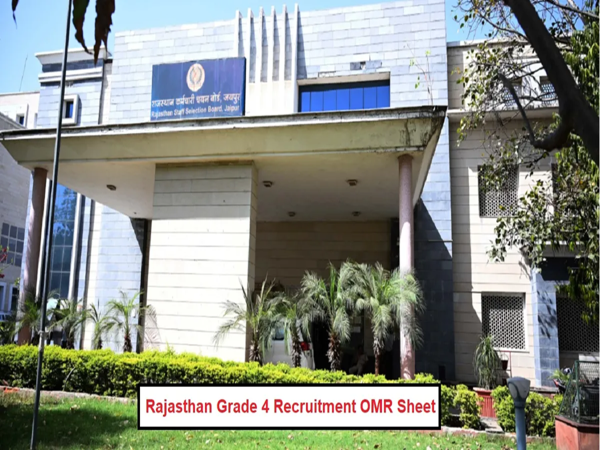
RSSB 4th Grade: Rajasthan Grade-4 recruitment OMR sheets released, anyone can check them for one month..
-
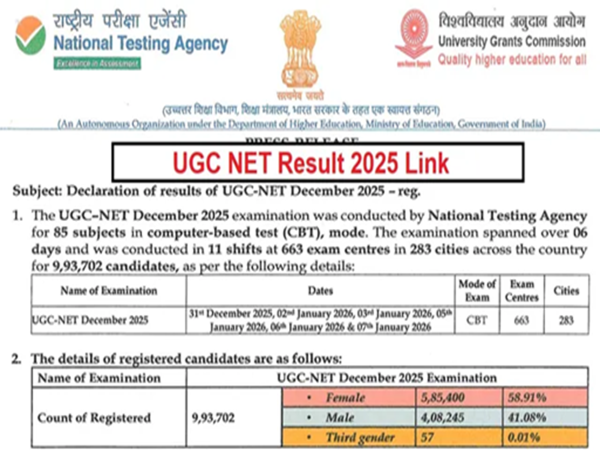
UGC NET Result 2025 : 176,879 candidates qualified in the UGC NET exam..
-
UPSC CSE 2026: Applications for the UPSC Civil Services Examination have started..
-
NIFTEE Admit Card 2026: Admit cards for the NIFTEE exam have been released, download them using these steps..
-
BSEB Admit Card 2026: D.El.Ed dummy admit card released, download using these steps..