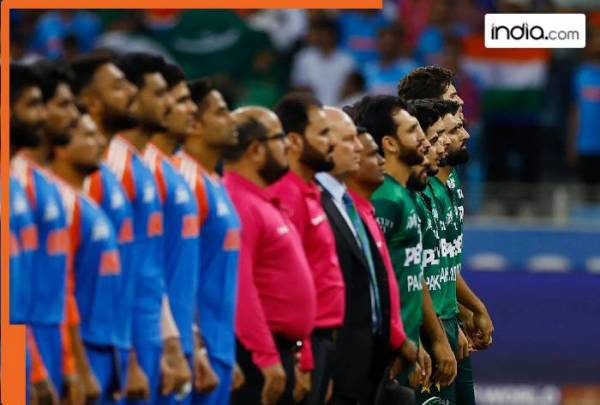
The term Force Majeure has come into focus after the India-Pakistan boycott row in the ongoing ICC T20 World Cup 2026 group stage-match. Though commonly mentioned during legal disputes the clause is often misunderstood particularly in the context of ICC contracts. Force Majeure is a legal concept derived from the French term meaning greater force. In contracts it refers to exceptional and unforeseen events which are beyond a partys control that make it impossible to meet contractual obligations. Across most legal systems the clause is intended to apply only when performance cannot be carried out not when it becomes difficult or inconvenient. Commonly cited examples include: Natural disasters (earthquakes floods) War or armed conflict Pandemics or public health emergencies Government orders or legal prohibitions What does Force Majeure mean in ICC Contracts For global events like the T20 World Cup participating cricket boards enter into a Members Participation Agreement (MPA) with the International Cricket Council. This agreement obligates members to: Field teams for all scheduled matches Follow all tournament regulations Safeguard the ICCs commercial and broadcast interests The MPA also includes a Force Majeure clause that permits a member board upon the occurrence of a qualified event that genuinely inhibits their participation to request relief from their obligations. Importantly government directives can constitute a Force Majeure event under ICC agreements but only under very specific conditions. When is Force Majeure truly apply To invoke Force Majeure in ICC type of contracts very stringent conditions need to be fulfilled. To begin with the Force Majeure must be unforeseeable when the agreement is signed. In addition it must be outside the control of the member board. Most importantly the Force Majeure must make the participation objectively impossible rather than merely making the participation difficult sensitive and/or inconvenient. Government directives may qualify as Force Majeure but only when they are legally binding and leave the member board with no practical option other than non-compliance with the ICC’s schedule. Duty to mitigate: A deciding factor Another important component of Force Majeure as with other contracts is the obligation of Duty to Mitigate. With respect to theICC prior to invoking Force Majeure a member board must prove it had taken all measures it could including alternatives like venue changes date changes diplomatic means or other reasonable alternatives meant to see the match through before invoking Force Majeure. The ICC-PCB Force Majeure Dispute Explained The controversy began after the Pakistan Cricket Board informed the ICC of its decision to boycott its T20 World Cup group-stage match against India citing government instructions and invoking the Force Majeure clause. The ICC has since asked the PCB to provide a detailed explanation including the steps taken to mitigate the situation before opting out of the fixture. High-profile fixtures especially India-Pakistan matches hold immense sporting broadcast and commercial value and the cancellation of even a single game can cause significant financial and reputational damage to the tournament. As a result the ICC scrutinises Force Majeure claims closely to prevent misuse. Under its constitution an invalid invocation could be treated as a material breach of obligations potentially leading to penalties points deductions or in extreme cases disciplinary action. Will the past precedent favour the PCB? Cricket has seen disputes linked to government intervention before including cancelled bilateral series. The PCB itself has previously cited government refusal in a dispute with the BCCI. However such instances are judged on their own facts and past cases do not automatically set a precedent under ICC tournament contracts. Each Force Majeure claim is assessed independently based on documentation timing mitigation efforts and whether viable alternatives existed. What Force Majeure covers and what it does not? Even if accepted Force Majeure can exempt a board from certain responsibilities for a certain period. It however does not grant absolute immunities and there is no guarantee it will prevent the ICC from examining the broader implications of non-participation for commerce. The clause is meant to protect fairness during truly exceptional situations not to permit selective withdrawal. In global tournaments where sport politics and commerce intersect misuse of Force Majeure can undermine contractual certainty and tournament integrity. This is why the ICC applies the clause cautiously treating it as an exception rather than a loophole. ICC sets high bar for Force Majeure claims Force majeure in ICC contracts is a high-threshold defense rather than an automatic defense. It shall be valid only on clear proof genuine mitigation efforts and objective impossibility of participation. The continued ICC–PCB exchanges underlined how closely such claims are looked at especially when the stakes involve cricket’s biggest and most valuable fixtures.
-
500 students graduate from Anwar-ul-Uloom College in Hyderabad

-
As US pushes June deadline for peace deal, Russia strikes Ukraine again
-
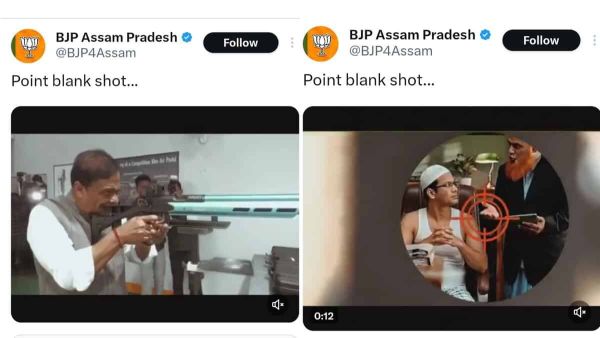
Editorial: When Assam CM points a gun at minorities, the hate has real consequences
-
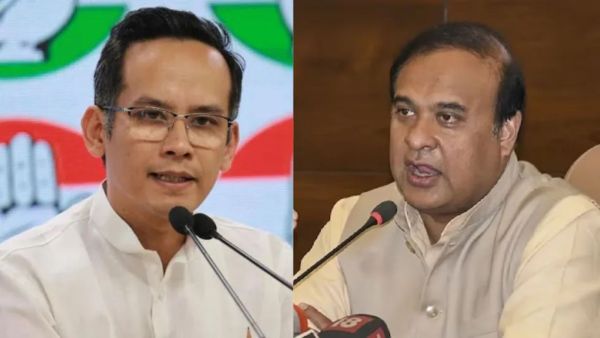
Gaurav, wife have ‘deeper connection’ with Pak agent, claims Assam CM
-
BJP attacks Congress over links with Jamaat-e-Islami in Kerala