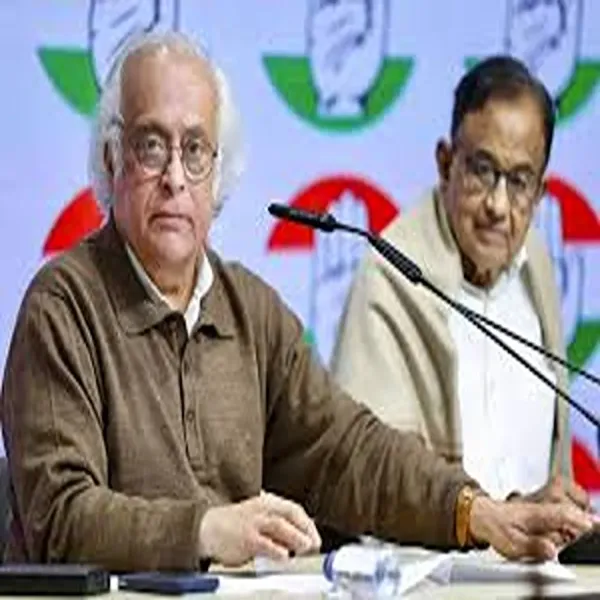
TradeDeal – The Congress party on Monday criticized the Union government over its handling of recent developments related to Russian oil purchases and the newly announced India-US trade agreement, alleging a lack of coordination among key ministries.
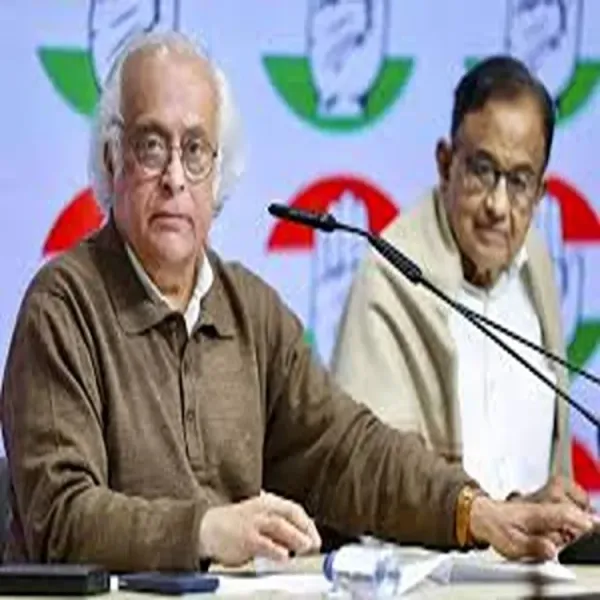
The opposition’s remarks came after statements from External Affairs Minister S Jaishankar and Commerce Minister Piyush Goyal regarding the bilateral trade framework and energy ties with Russia drew political attention.
Congress Alleges Mixed Signals from Key Ministries
Congress general secretary in charge of communications, Jairam Ramesh, said the government’s public messaging reflected confusion rather than clarity. Referring to Prime Minister Narendra Modi’s frequent emphasis on a “whole of government” approach, Ramesh argued that the recent exchanges suggested otherwise.
According to him, when questions were raised about India’s oil imports from Russia and aspects of the trade deal with the United States, different ministers appeared to redirect responsibility. He claimed that the Commerce Minister suggested the matter be addressed by the External Affairs Minister, while the External Affairs Minister pointed back to the Commerce Ministry. He also remarked that Petroleum Minister Hardeep Singh Puri seemed focused on other issues.
Ramesh described the situation as a “hole in government” approach, suggesting that coordination on a matter of strategic economic importance was lacking.
Details of the India-US Trade Framework
The political exchange followed the release of a joint statement outlining the framework for the first phase of a bilateral trade agreement between India and the United States. The statement, issued over the weekend, set out broad commitments from both sides aimed at strengthening economic ties.
Under the proposed arrangement, India has conveyed its intention to purchase goods and services from the US valued at approximately USD 500 billion over five years. These include energy products, aircraft and aviation components, precious metals, technology items, and coking coal.
In return, the United States has agreed to reduce tariffs on Indian exports to 18 percent, a move expected to ease market access for several sectors. The agreement is being positioned as a step toward deeper economic cooperation between the two countries.
Tariff Changes and Russian Oil Issue
The joint statement also noted that US President Donald Trump signed an Executive Order withdrawing the additional 25 percent tariffs that had earlier been imposed on India in connection with its purchases of Russian oil. The removal of these punitive duties is seen as a significant development in bilateral trade relations.
India has maintained that its energy procurement decisions are guided by national interest and market considerations. The country has continued to buy discounted Russian crude following global supply disruptions, arguing that energy security remains a priority for a growing economy.
Safeguards for Domestic Sectors
Commerce Minister Piyush Goyal has addressed concerns about a potential surge in American imports once the agreement takes effect. He said the trade framework includes sufficient safeguards to protect Indian farmers and domestic industries from any adverse impact caused by a sudden increase in imports.
Goyal indicated that protective measures have been built into the structure of the deal to ensure that sensitive sectors are not exposed to unfair competition. He emphasized that the agreement seeks to balance expanded trade opportunities with the protection of national economic interests.
Political Debate Continues
The exchange between the Congress and the government underscores the political sensitivity surrounding trade and energy policy. As negotiations move toward implementation, further details are expected to emerge about timelines, sector-specific provisions, and regulatory adjustments.
For now, the debate highlights differing interpretations of how effectively the government is managing complex international agreements. While the administration has described the trade framework as a strategic milestone, the opposition is pressing for clearer communication and greater transparency on policy coordination.
-
RBI Cyber Fraud Rules: Shared your OTP by mistake? The RBI will provide ₹25,000 in compensation; how and who will benefit?
-
The Income Tax Department has sought suggestions on the rules for the new tax law of 2025; you too can send your suggestions. Here's how..

-
What is crypto burning and why is it important for a token's price? Explained in simple terms..
-
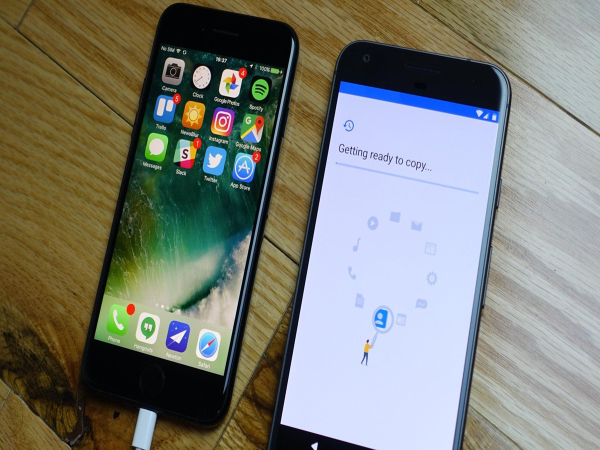
Tech: Data will transfer seamlessly from Android to iPhone; Google is bringing an amazing new feature..
-
Claude Opus 4.6: Anthropic launches Claude Opus 4.6, an AI that can handle everything from research to creating presentations..