Cholesterol has a bad reputation, and statinsare often seen as the only solution. But one doctor has said that many people can lower their cholesterol without medication.
ZOE'schief scientist, Dr Sarah Berry, noted that not all cholesterol is bad and you do n’ot need to cut out fat or completely change your dietto improve it. With a few simple lifestyle tweaks, it’ is possible to see more 'good' levels of cholesterol than 'bad'.
It's important to keep these levels healthy as high cholesterol can raise the risk of heart disease, but cholesterolitself is essential for the body.
Calling it "nonsense", she says following a healthy fat diet can actually improve your cholesterol, whereas following a high carbohydrate diet can actually make your cholesterol worse.
Is cholesterol bad?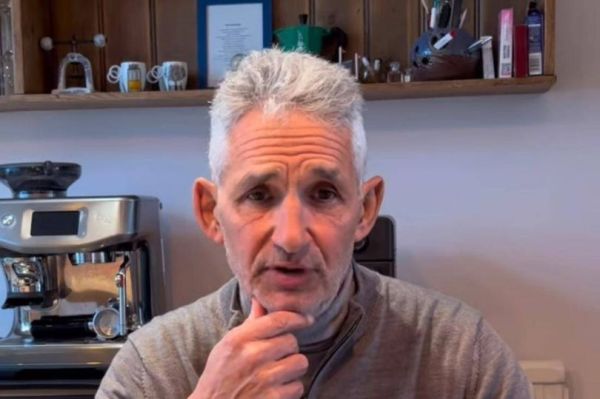
Doctor Berry explains that low-density lipoproteins (LDL) cholesterol is bad for us, but high-density lipoprotein (HDL) cholesterol is good. She explained: "The cholesterol that's packaged in LDL is the cholesterol that is circulating in our blood and delivered to our peripheral tissues.
"It's delivered along our arteries where it can actually be taken up into the arterial wall. The LDL particles have a particular label on them, which is called the apolipoprotein B label.
"So it's got this address label saying that the receptors on the lining of our blood vessels recognise that enables it to cross over into the lining of our blood vessels because of this address label as a way of describing it called apolipoprotein B. It's then taken up by the lining of the blood vessels."
This could lead to atherosclerosis, which occurs when your arteries become narrowed, making it difficult for blood to flow through them. This can also cause "plaque formation" which "can then burst, and that's when you get a blockage, which causes a heart attack."
• NHS GP Dr Amir Khan issues warning over foot symptom - 'always get that checked'
• Uncle Bryn's house from BBC's Gavin and Stacey hits the market for £210,000
A low-fat diet for cholesterolAccording to Sarah, a one-millimole increase in LDL cholesterol is linked to roughly a 25% higher risk of cardiovascular disease over a decade. Fortunately, diet plays a big role, with certain foods helping to improve cholesterol levels and others doing the opposite.
She said: "The single most potent effect that we can have is by increasing our dietary fat intake to increase the amount of polyunsaturated fatty acids that we include in our diet."
She warns against cutting out fat completely unless advised by a doctor, saying it's about choosing the right kinds. “I think people should aim for a moderate-fat diet.
"I don't think people should go on a low-fat diet. I think what's really important to say is that it has to be from the right types of fat. It has to be from poly and monounsaturated fat sources, not from saturated fat sources.
"By increasing your intake of polyunsaturated fatty acids, you can reduce your LDL cholesterol. This is why evidence shows, again, from my own research, if you add nuts to someone's diet, you can significantly reduce cholesterol by 5 to 10% just by adding nuts into the diet."
Good and bad fats in foodSaturated fat is bad for us and can come from a variety of foods. According to the NHS it can be found in:
- pastries, such as pies, quiches, sausage rolls and croissants
- cream, crème fraîche and sour cream
- ice cream
- coconut milk and coconut cream
- milkshakes
- chocolate and chocolate spreads
- butter, ghee, suet, lard, coconut oil and palm oil
- bacon
- biscuits
- fatty cuts of meat
- cakes
- sausages
- cured meats like salami, chorizo and pancetta
- cheese
The expert recommends cutting back on these foods and focusing on healthier fats. That means eating more polyunsaturated fats, along with some monounsaturated fats.
She hails polyunsaturated fats for having a "very potent effect on the LDL receptor", noting that they affect LDL receptors and can significantly lower "bad" cholesterol. Research consistently shows that people who eat a diet high in polyunsaturated fats can cut their risk of cardiovascular disease by up to 30%.
She also points out that eating more whole grains can help lower cholesterol, thanks to the fibre they provide - an essential part of a heart-healthy diet.
Lower cholesterol in 10 daysUrging people to look at their diet, stating "this is not a medical opinion" she says think about the following:
- Can you increase your polyunsaturated fat intake?
- Can you increase your fibre intake?
- Can you reduce your refined carbohydrate intake?
- Can you increase the amount of legumes you're having? Beans, pulses, etc.
She suggests making these changes first and seeing what happens over the next few weeks. "Diet changes cholesterol really quickly," she explained.
"We see a change in cholesterol after about 10 days when people are following a kind of diet that reduces cholesterol. Within two weeks, you will see quite a big change. Within a month, you've seen a huge change."
Dr Berry concludes that if you return to your GP after a month, you should see your cholesterol has “significantly reduced.”
If it hasn’t and your levels are still concerning, she says that’s the point where it’s important to keep the conversation going about whether statins might be needed.
-
Correct ways to remove hair from pubic area and ways to avoid itching

-
30 crore workers will join the nationwide strike on February 12, protest against government policies, almost all sectors may be affected.

-
21-year-old UK beauty queen Eleisha Skinner crushed to death by her car
-
Influencer calls Raghav Chadha handsome, Parineeti Chopra

-
Now India’s glory in AI, Bengaluru startup also left ChatGPT-Gemini behind.