TOI exclusive: Can Ayurveda speak the language of science? Acharya Balkrishna explains
ETimes | February 10, 2026 1:40 AM CST
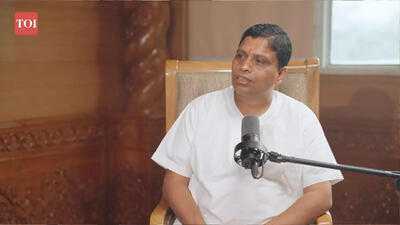
In a time when health advice travels fast and trust travels slow, the conversation around Ayurveda feels sharper than ever. Acharya Balkrishna , the scholar behind Patanjali ’s research wing, sits down with Akshat Gupta for The Times of India for a rare, reflective interview. The discussion does not chase quick claims. It asks a tougher question. Can an ancient health system survive modern scrutiny without losing its soul?
Who is Acharya Balkrishna, and why his voice matters
Acharya Balkrishna is a Sanskrit scholar and an Ayurveda researcher. He is also the co-founder of Patanjali and the guiding force behind its research institutions. His work focuses on texts, plants, and methods that shaped traditional Indian medicine. Over the years, he has argued that Ayurveda should be tested, documented, and explained in ways modern science understands. That position places him at the center of praise and criticism alike.
Why TOI’s interview matters right now
The Times of India interview arrives at a sensitive moment. Ayurveda faces skepticism from sections of modern medicine . At the same time, public interest in natural health systems is growing. Instead of selling products, the conversation stays in process. How research is done. Why standards matter. And where tradition must be careful not to overpromise. This framing gives readers context rather than comfort.
Ayurveda versus modern medicine is the wrong question
Acharya Balkrishna makes one point repeatedly. Ayurveda was never meant to fight modern science. According to him, the real task is translation, not confrontation. Ancient texts describe outcomes. Modern labs must explain mechanisms. This is where reverse pharmacology enters the picture. Researchers observe known traditional uses and then study how they work at a cellular and biochemical level. It is slow work, but it respects both worlds.
Research before reassurance, not fear before treatment
A striking part of the conversation is his criticism of fear-based healthcare. He argues that patients are overwhelmed by warnings rather than guided by solutions. Ayurveda, as he describes it, focused on balance, lifestyle, and prevention. At the same time, he accepts that claims must be checked. He speaks about laboratories, animal models, clinical collaborations, and documentation. The emphasis stays on evidence, not anecdotes, even when discussing traditional remedies .
Preserving knowledge without freezing it in time
The interview also dives into an unusual area. Documentation. Many ancient manuscripts were copied by hand, sometimes inaccurately. Plants were misidentified. Meanings shifted. Patanjali’s research teams work on correcting these gaps by cross-checking texts, mapping herbs, and aligning them with modern taxonomy. It is not romantic work. It is meticulous and uncelebrated. Yet, without it, Ayurveda risks becoming folklore instead of knowledge.
Where belief must pause and science must lead
Acharya Balkrishna does not deny that exaggerated claims exist around Ayurveda. He acknowledges misuse, shortcuts, and confusion. His argument is that faith alone cannot protect a health system. Only transparent research can. He speaks of integrating emergency care, advanced diagnostics, and modern hospitals alongside yoga and Ayurveda. The message is cautious but clear. Tradition earns respect only when it accepts questioning.
Who is Acharya Balkrishna, and why his voice matters
Acharya Balkrishna is a Sanskrit scholar and an Ayurveda researcher. He is also the co-founder of Patanjali and the guiding force behind its research institutions. His work focuses on texts, plants, and methods that shaped traditional Indian medicine. Over the years, he has argued that Ayurveda should be tested, documented, and explained in ways modern science understands. That position places him at the center of praise and criticism alike.
Why TOI’s interview matters right now
The Times of India interview arrives at a sensitive moment. Ayurveda faces skepticism from sections of modern medicine . At the same time, public interest in natural health systems is growing. Instead of selling products, the conversation stays in process. How research is done. Why standards matter. And where tradition must be careful not to overpromise. This framing gives readers context rather than comfort.
Ayurveda versus modern medicine is the wrong question
Acharya Balkrishna makes one point repeatedly. Ayurveda was never meant to fight modern science. According to him, the real task is translation, not confrontation. Ancient texts describe outcomes. Modern labs must explain mechanisms. This is where reverse pharmacology enters the picture. Researchers observe known traditional uses and then study how they work at a cellular and biochemical level. It is slow work, but it respects both worlds.
Research before reassurance, not fear before treatment
A striking part of the conversation is his criticism of fear-based healthcare. He argues that patients are overwhelmed by warnings rather than guided by solutions. Ayurveda, as he describes it, focused on balance, lifestyle, and prevention. At the same time, he accepts that claims must be checked. He speaks about laboratories, animal models, clinical collaborations, and documentation. The emphasis stays on evidence, not anecdotes, even when discussing traditional remedies .
Preserving knowledge without freezing it in time
The interview also dives into an unusual area. Documentation. Many ancient manuscripts were copied by hand, sometimes inaccurately. Plants were misidentified. Meanings shifted. Patanjali’s research teams work on correcting these gaps by cross-checking texts, mapping herbs, and aligning them with modern taxonomy. It is not romantic work. It is meticulous and uncelebrated. Yet, without it, Ayurveda risks becoming folklore instead of knowledge.
Where belief must pause and science must lead
Acharya Balkrishna does not deny that exaggerated claims exist around Ayurveda. He acknowledges misuse, shortcuts, and confusion. His argument is that faith alone cannot protect a health system. Only transparent research can. He speaks of integrating emergency care, advanced diagnostics, and modern hospitals alongside yoga and Ayurveda. The message is cautious but clear. Tradition earns respect only when it accepts questioning.
READ NEXT
-
Correct ways to remove hair from pubic area and ways to avoid itching

-
30 crore workers will join the nationwide strike on February 12, protest against government policies, almost all sectors may be affected.

-
21-year-old UK beauty queen Eleisha Skinner crushed to death by her car

-
Influencer calls Raghav Chadha handsome, Parineeti Chopra

-
Now India’s glory in AI, Bengaluru startup also left ChatGPT-Gemini behind.