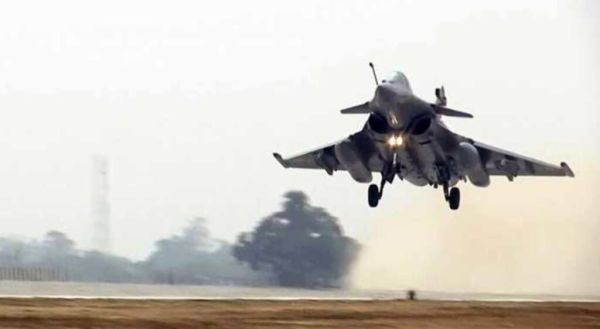
Cold Start Doctrine (CSD) is an active military strategy of India, which was developed after the 2001 Parliament attack. Its objective is to launch rapid and limited conventional strikes against Pakistan in response to terrorism, without resorting to large-scale or nuclear war. This includes Integrated Battle Groups (IBGs), comprising infantry, armour, artillery and air support, to enable rapid mobilization within 48-72 hours and achieve objectives such as punishing sponsors of terrorism while remaining below Pakistan’s nuclear threshold. CSD evolved from the slow mobilization problems of Operation Parakram, emphasizing surprise and multi-pronged attacks.
After Operation Sindoor—which was an Indian operation in May 2025 in which missiles, drones and air strikes were carried out on Jaish-e-Mohammed and Lashkar-e-Taiba targets in Pakistan and Azad Kashmir—Pakistan is still on alert. Launched in response to the April 2025 Pahalgam attack, in which 26 civilians were killed, Sindoor was India’s first major non-contact warfare, using stand-off weapons for deep strikes without ground infiltration. The 88-hour operation destroyed terrorist infrastructure, airbases and assets, and ended with a US-brokered ceasefire amid fears of escalation.
Sindoor showcased the practical use of CSD, forcing Pakistan to remain on constant high alert to counter possible precipitous attacks. This challenged Islamabad’s defense philosophy, which relied on nuclear deterrence and proxy terrorism, as India’s precision strikes exposed weaknesses in Pakistani air defenses and economy. Analysts say Sindoor changed India’s stance from diplomatic resistance to harm, and exposed Pakistan’s “nuclear bluff”—as evidenced by PM Narendra Modi’s stand against blackmail amid persistent terror threats.
Although India follows a no-first-use nuclear policy, Sindoora underlined preparations for a limited war, in which advanced systems such as BrahMos missiles could potentially be deployed. With bilateral relations frozen over Kashmir and terrorism until February 2026, Pakistan’s struggling economy faces catastrophic risks in future conflicts. This doctrine keeps Islamabad alert and prevents it from adventurism but there is also a risk of miscalculations in this nuclear area.
-
When winter is on its way, be sure to follow these rules before putting the blanket away in the closet

-
Valentine Day 2026: It will not cost even Rs 500! This Valentine, romance with your partner at these places in Delhi-NCR

-
March 17 Launch With 200MP And 6000mAh

-
Why is the speed of old phones slow? Know the reason and solution.

-
BWF’s revamped tour, India’s shrinking footprint: What changed and why it matters