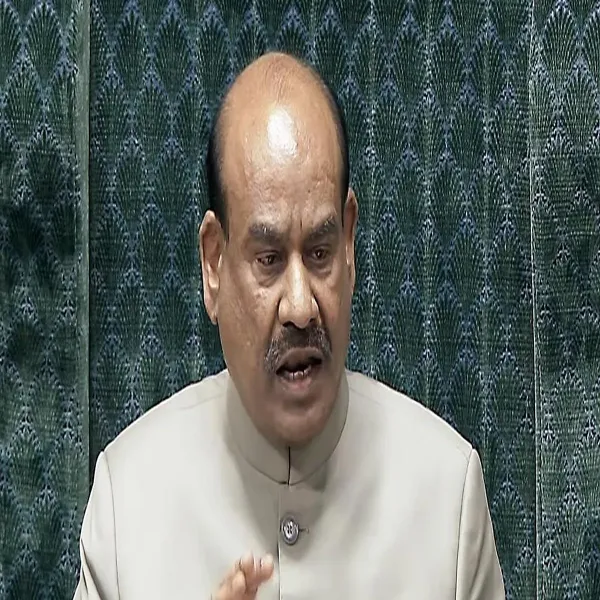
Parliament – Opposition parties led by the Congress have resolved to bring a no-confidence motion against Lok Sabha Speaker Om Birla following a strategy meeting held on Tuesday morning. The gathering of INDIA bloc leaders was chaired by Congress president Mallikarjun Kharge and focused on the ongoing standoff inside Parliament.
The decision marks a significant escalation in the continuing confrontation between the treasury benches and the opposition, which has repeatedly disrupted proceedings in the Lower House over the past several days.
Opposition Alleges Bias in House Proceedings
The immediate trigger for the move was the Speaker’s refusal to allow Congress MP and Leader of the Opposition Rahul Gandhi to address the House before the discussion on the Union Budget. Opposition leaders have argued that the denial reflects a pattern of partiality in managing parliamentary business.
According to Congress officials, the notice for the no-confidence motion will be formally submitted to the Lok Sabha Secretary General by the party’s chief whip, Suresh Kodikunnil, along with Mohammad Jawed. The party stated that it has secured 106 signatures from Members of Parliament in support of the motion, exceeding the minimum requirement of 100 signatures needed to introduce such a resolution.
Support From Key Regional Parties
The motion has drawn backing from several prominent opposition groups, including the Samajwadi Party and the Dravida Munnetra Kazhagam (DMK). However, the Trinamool Congress has not yet publicly clarified its position. Notably, TMC representatives were absent from the meeting where the strategy was finalized.
Despite the political friction, opposition parties confirmed they would participate in the scheduled debate on the Union Budget later in the day. Leaders indicated that while they intend to press their concerns about the Speaker’s conduct, they will also engage in legislative discussions.
Escalation After Heated Exchanges
Monday’s proceedings witnessed sharp exchanges after the Speaker accused opposition members of deliberately engineering disruptions. The remarks further strained relations, prompting a temporary adjournment of the House as both sides stood firm on their positions.
The core disagreement centered on Rahul Gandhi’s insistence that he be permitted to speak before the Budget debate commenced. Opposition members maintained that denying him the opportunity undermined parliamentary convention, while government representatives accused them of obstructing the legislative agenda.
Disruptions Since Early February
The current impasse is part of a broader pattern of turbulence in Parliament since February 2. Opposition lawmakers have protested on multiple issues, including the Speaker’s decision to prevent Gandhi from quoting an article referencing an unpublished memoir by former Army chief M.M. Naravane. The memoir reportedly touches on the 2020 India-China border clash, a subject that has generated considerable political debate.
The protests intensified last week when seven Congress MPs and one member from the CPI(M) were suspended for the remainder of the session following disorderly scenes in the House. The suspensions drew criticism from opposition leaders, who described them as excessive, while the government defended the action as necessary to maintain decorum.
What Happens Next
For the no-confidence motion to be admitted, it must first be accepted by the Speaker and then taken up for discussion and voting. While such motions against a Lok Sabha Speaker are rare and typically require broad consensus to succeed, the opposition’s move signals a deepening divide within Parliament.
Political observers note that even if the motion does not secure enough votes to pass, it serves as a formal expression of dissent and places the spotlight on procedural conduct within the House.
As Parliament continues its Budget session, the coming days are likely to determine whether dialogue can resume smoothly or whether further disruptions will shape the remainder of the proceedings.
-
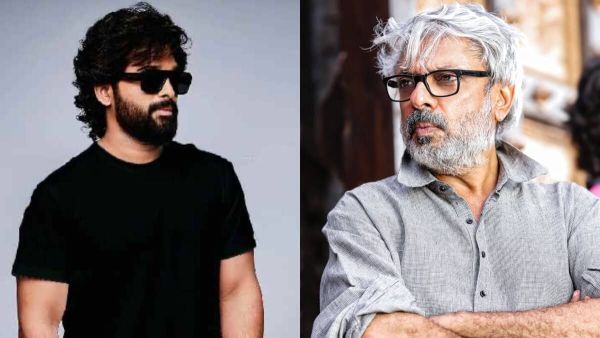
Is Allu Arjun’s big Bollywood debut with Bhansali still possible?
-
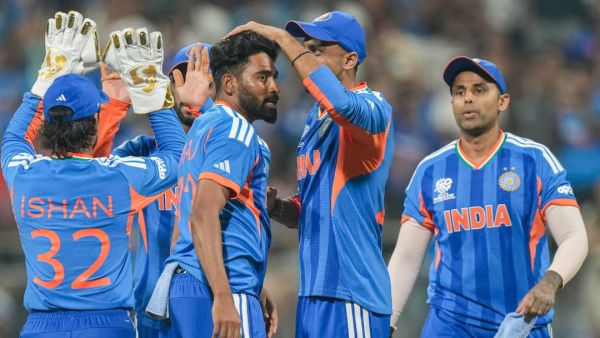
T20 World Cup 2026 Points Table Update: Group A, B, C And D Standings
-
Netflix Agrees To Rename ‘Ghooskhor Pandit’ After Matter Reaches Delhi High Court
-
Indian-origin Tesla VP Raj Jegannathan quits after 13 years

-
MIDASX Records Best Quarter Since Inception, 30% YoY Growth; SaaS Vertical Turns Cash-Flow Positive