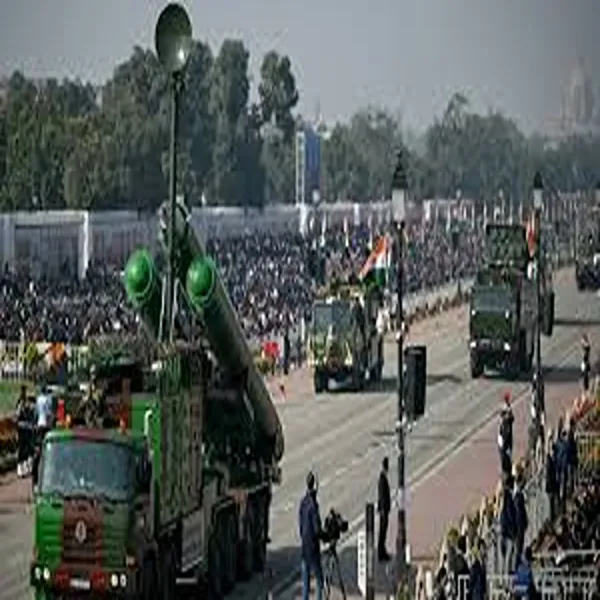
Defence Procurement – The Ministry of Defence on Tuesday placed the draft Defence Acquisition Procedure (DAP) 2026 in the public domain, inviting feedback from industry stakeholders and citizens. The proposed framework is aimed at restructuring India’s capital procurement system to make it faster, more transparent and aligned with the country’s long-term goal of strategic autonomy in defence technology.
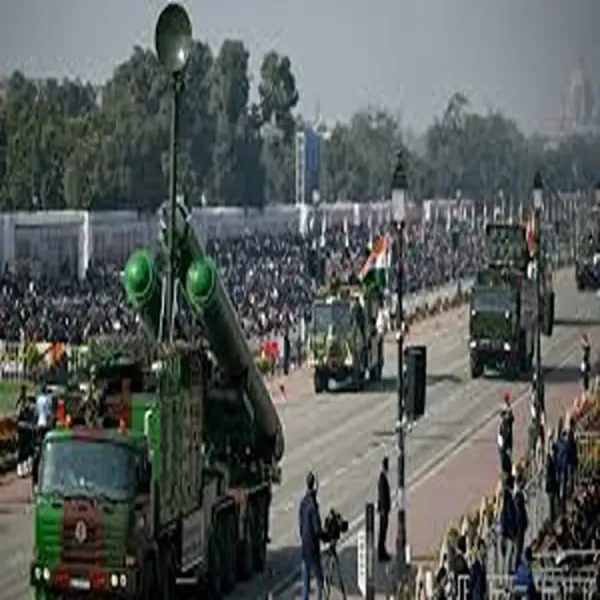
A New Framework to Replace DAP 2020
The draft DAP 2026 is set to succeed DAP 2020 and will guide how the armed forces procure military equipment under the capital expenditure budget. The procedure governs the full acquisition cycle — from identifying requirements and technical evaluation to contracting and final approvals. It applies to the purchase of defence platforms, weapon systems and related technologies, whether sourced domestically or from overseas vendors.
A significant shift in the draft policy is the move from a “Made in India” focus to what officials describe as an “Owned by India” model. Under the earlier framework, emphasis was placed largely on increasing indigenous content and encouraging domestic manufacturing. The new proposal expands this approach by seeking full ownership of core technologies and intellectual property.
Focus on Intellectual Property and Technology Control
Under the proposed “Owned by India” approach, domestic production alone will not suffice. Vendors will be required to ensure that India retains control over technical artefacts, source codes, system architecture and hardware layouts. The framework also underlines the importance of having the ability to upgrade systems independently and manage technological obsolescence over time.
This marks a clear departure from DAP 2020, which prioritised local content thresholds but did not explicitly mandate ownership of digital layers or system architecture. By codifying intellectual property sovereignty into procurement rules, the ministry aims to reduce long-term dependence on foreign suppliers for upgrades and maintenance.
The draft also proposes tighter controls on foreign ownership in critical acquisition categories. Even though foreign direct investment norms in the defence sector have been liberalised in recent years to attract capital and technology transfer, the new policy insists on Indian control over vendors involved in key procurements.
Aerospace Systems to Be Covered Separately
While the draft lays out comprehensive reforms, aerospace systems have been kept outside its immediate scope. According to the document, a separate procedure for the acquisition of aerospace systems is currently under preparation in consultation with stakeholders. This framework is expected to be incorporated into DAP 2026 at a later stage.
Addressing Long-Standing Delays
India’s defence procurement process has often been criticised for prolonged timelines, with some projects taking over a decade to materialise. Senior officials have previously acknowledged systemic inefficiencies that have slowed acquisitions despite budgetary allocations.
The draft DAP 2026 seeks to address these concerns by simplifying procedures and delegating greater authority to the armed services and lower-tier acquisition bodies. The aim is to cut procurement timelines significantly, allowing critical equipment to reach the forces faster.
Simplification and Parallel Processing
Among the key changes proposed is the reduction of redundant approval layers. The draft allows certain technical and commercial evaluations to proceed simultaneously rather than sequentially, a move intended to shorten decision-making cycles.
Early engagement with industry has also been prioritised. Processes related to Acceptance of Necessity (AoN) and issuance of Requests for Proposal (RFP) are expected to be streamlined. Field evaluations and staff assessments are proposed to be rationalised to prevent repeated reviews and procedural bottlenecks.
Integrated project teams may be given enhanced powers to take decisions within defined parameters, moving away from the heavily sequential structure under the previous procedure.
Toward Integrated Capability Planning
Long-term planning mechanisms such as the Long-Term Integrated Perspective Plan and the Technology Perspective Capability Roadmap existed under the earlier framework. However, the draft DAP 2026 proposes closer integration of these instruments into a joint capability planning model. This would encourage coordinated planning across services instead of siloed, service-specific procurement strategies.
By inviting public consultation, the defence ministry has signalled that the final framework will incorporate industry and stakeholder inputs. If adopted in its current form, DAP 2026 could reshape India’s defence acquisition landscape by combining faster processes with stronger control over critical technologies.
-
Hasaranga, Bracewell Ruled Out of T20 World Cup; Sri Lanka and New Zealand Name Replacements

-
Hasaranga, Bracewell Ruled Out of T20 World Cup; Sri Lanka and New Zealand Name Replacements

-
Hasaranga, Bracewell Ruled Out of T20 World Cup; Sri Lanka and New Zealand Name Replacements
-
Princess Eugenie and Beatrice 'not turning backs on Prince Andrew' despite Epstein scandal

-
Bangladesh's liberals are fearful of the rise of the Islamist right