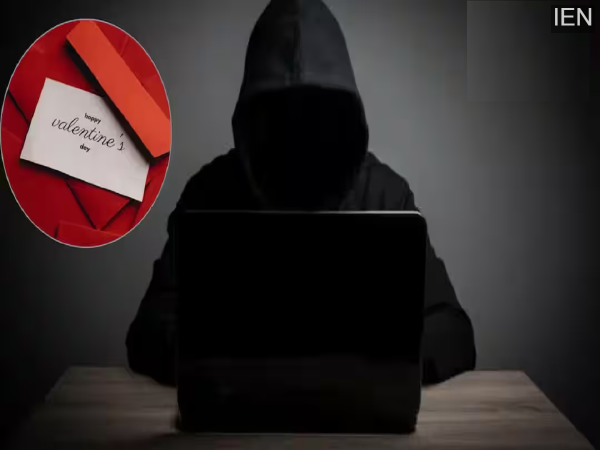
People are planning gifts, trips, and surprises to make their partners feel special on February 14th. But cyber scammers are also taking advantage of this opportunity.
As Valentine's Day approaches, online searches, gift shopping, and social media activity are increasing rapidly. People are planning gifts, trips, and surprises to make their partners feel special on February 14th. But cyber scammers are also taking advantage of this opportunity. In fact, a simple click on the name of love and gifts can empty your bank account. So, let us tell you today that scammers have become active during Valentine's Week. So, have you also received messages offering free gifts or "I Love You"?
Be Alert to Romance Scams
Romance scams are most common during Valentine's Week. These scams typically originate on dating apps and social media platforms. Scammers create fake profiles and initially engage in casual conversation, then gradually send emotional messages like "I love you." After building trust, they demand money under the pretext of a medical emergency, job problem, or a visit. In many cases, the account disappears immediately after the money is sent.
Free Gift and Delivery Messages
During Valentine's Week, many people suddenly receive messages or calls claiming a surprise gift or flower delivery. They are asked to click on a link or share an OTP. By doing so, scammers gain access to their bank account. Trusting such messages without any confirmation can be costly.
Beware of Giveaway Scams
During Valentine's Week, posts offering free dinners, holiday packages, or expensive gifts go viral on social media. Clicking on the links in these posts prompts you to fill out a form and deposit a small amount as a processing fee. These links are actually fake, and they use them to steal both your data and your money.
The web of fake online shopping websites
The craze for shopping increases during Valentine's Day. Taking advantage of this, scammers create fake websites that look like the real thing. They lure users with promises of huge discounts and cheap prices. However, as soon as a user enters their personal or bank details, their information is stolen.
Acquaintance Scam
In some cases, scammers call and claim that someone they know has sent a message or gift. They try to gain trust by showing their name, photo, or other information and then immediately demand an OTP. Once the information is shared, their bank account is compromised.
How to keep yourself safe?
- Don't click on unknown links.
- Don't share OTP, bank details, or personal information with anyone.
- Avoid the lure of extremely cheap offers and free gifts.
- Be sure to verify your identity before shopping from new or unknown websites.
-
Centre issues detailed protocol for Vande Mataram, now a must for all govt events

-
Banks Offer Higher FD Interest Rates After RBI Repo Rate Move — Check Latest Returns and What's Changed for Investors
-
Canada: 10 dead in mass shooting in British Columbia

-
Gold, silver ETF assets surpass Rs 3 lakh crore AUM: Data

-
Organ in a chip, AI retina scanner: 5 health tech making UAE residents' lives easier