
BBC Morning Live's resident doctor, Dr Oscar Duke, has shared the latest details from a study aiming to help people identify early warning signs of cancer through their spending habits. The health expert spoke about the recent insights during today's episode of the talk show (February 11), hosted by Neil Jones and Helen Skelton.
Dr Oscar discussed the study, led by Imperial College, that is in its second phase to determine if loyalty card data from stores like Boots and Tesco could be used to identify potential "cancer red flags". Researchers say that shopping habits recorded in loyalty card data, including those of Boots and Tesco, might help detect cancer sooner.
The study involves nearly 3,000 people to see if shopping behaviours can signal an early warning for 10 different types of cancer. Earlier research by the same group discovered that a rise in buying painkillers and indigestion medication might indicate early signs of ovarian cancer.
- 21.5 stone woman loses 10 stone in 6 months eating same meal every day
- NHS vitamin D warning over damage to kidneys and heart
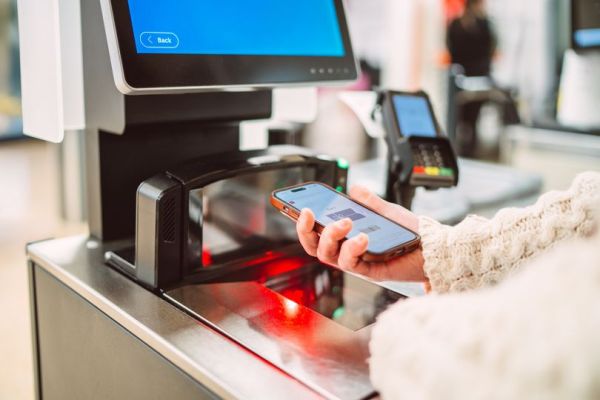
Now, the researchers are going to look for patterns linked to other cancers like bowel, bladder, endometrial, liver, ovarian, and pancreatic cancer. The team will sift through information from volunteers who agree to share their data using Tesco Clubcard and Boots Advantage Cards.
If the study is successful, a customer might receive a message based on their buying pattern. This message could state that their purchasing trend follows a pattern seen in the research for a particular cancer and suggest they go see their doctor. The goal is to find a "very simple, potentially very useful way of finding data and health linking".
Discussing the study with viewers, Dr Oscar explained: "People often worry about their loyalty cards in the supermarket. What's the data? Who's holding it? We're all very rightly conscious of data that's being held on us now. But could data actually be very helpful to our health or in predicting things that might happen?
"So, this is the second phase of a study which we actually talked about three years ago on the show, done by Imperial College. They were one of the leaders in this study. And what they did in the first phase was look at people's data from their loyalty cards to see when they were buying certain things, particularly things like pain medications, indigestion remedies, and trying to see if they could link it in that study to ovarian cancer and whether they could establish a potential link."
The health expert said the researchers did find in that study that about eight months before people were diagnosed with ovarian cancer, they saw a change in the trends of their buying of those sorts of remedies because of symptoms that they were obviously suffering with. He added: "So they're coming back with version two of the study now to look for many, many more different types of cancers."
Providing insights to viewers, Dr Oscar said the researchers will look at 10 different cancers, particularly those with symptoms that might be quite subtle and difficult to pick up. "It might be a bit of bloating, might be a bit of indigestion, might be a bit of pain," he said. "So, the sort of thing that you might be just medicating yourself for in the supermarket, making sure you're using your loyalty card."
The study will involve about 2,900 people to determine whether researchers can identify additional trends. Explaining what could happen in the future, Dr Oscar said shoppers may receive a health alert based on their loyalty card data.
He said: "And then maybe down the line, what will be able to happen is people might actually be able to receive a message saying, 'We've noticed that your trend is following the pattern from this research of somebody who may have had this particular cancer. You should go and see your doctor and get some more information.' So, if it can work, a very simple, potentially very useful way of finding data and health linking."
What are some of the common and subtle warning signs of cancer?Common warning signs can include:
- Unexplained weight loss.
- Persistent fatigue.
- New or changing lumps.
- New moles or changes to existing ones.
- Sores that do not heal.
- Persistent fever or night sweats.
- Unexplained pain.
- Unusual bleeding or bruising, coughing up blood, blood in stool or unusual vaginal bleeding.
Subtle red flags to watch out for:
- Persistent heartburn or indigestion.
- Bloating that happens often or lasts a long time.
- Difficulty swallowing.
- Change in bowel habits.
- Hoarseness or a cough that won't go away.
- Feeling full quickly or not feeling as hungry as normal.
- A headache that lasts for over two weeks and does not respond to treatment.
Study leader Professor James Flanagan, from Imperial College London’s Department of Surgery and Cancer, said: "This study ultimately has the potential to revolutionise how we can use everyday data to understand and improve people’s health. We’re excited to build on the success of our first study and to see if looking back at people’s shopping history can give us clues to the way different conditions start to appear."
Dr Talisia Quallo, head of prevention and early detection research at Cancer Research UK, said: "The first Cancer Loyalty Card study, funded by Cancer Research UK, showed differences in purchasing behaviour of pain and indigestion medication between women with and without ovarian cancer, up to eight months before a formal diagnosis.
“In the future, shifts in purchasing behaviour could act as an early warning system, prompting people to seek medical care more quickly for emerging symptoms. Changes in what we shop for, and when those changes start to happen, could become a powerful tool to find cancer at an earlier stage, when treatment is much more likely to be successful."
Marc Donovan, healthcare development director at Boots, said: "Over a quarter of the UK population has a Boots Advantage Card, and this study represents the potential for everyday shopping data, when used responsibly, to be a powerful tool in helping customers spot and act on early healthcare warning signs."
Oonagh Turnbull, head of health and sustainable diets campaigns at Tesco, said: "We hope that with the help of our customers across the UK taking part and volunteering to share their Tesco Clubcard data, more lives can be saved by detecting certain cancers early."
-
Worker Promoted Despite Doing Bare Minimum & Being Incompetent Explains How Anyone Can Do It

-
4 Zodiac Signs Receive An Important Message From The Universe On February 12, 2026

-
Asia’s ‘most beautiful island’ experiences unprecedented rise in interest among Korean tourists

-
Hugs are not enough, hugs will tell how far the water of the relationship has flown

-
Is it right to drink water immediately after eating food? Know what effect it has on health