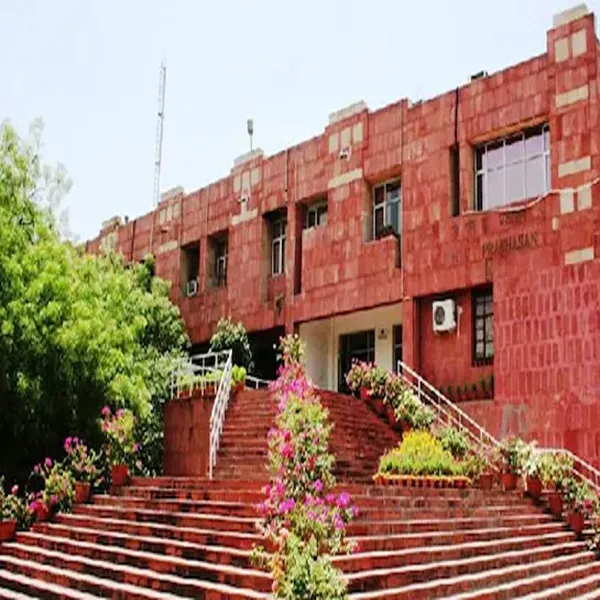
UniversityStrike – Jawaharlal Nehru University’s School of Social Sciences Council has called for an academic strike in response to disciplinary measures and unresolved demands related to equity policies and student representation.
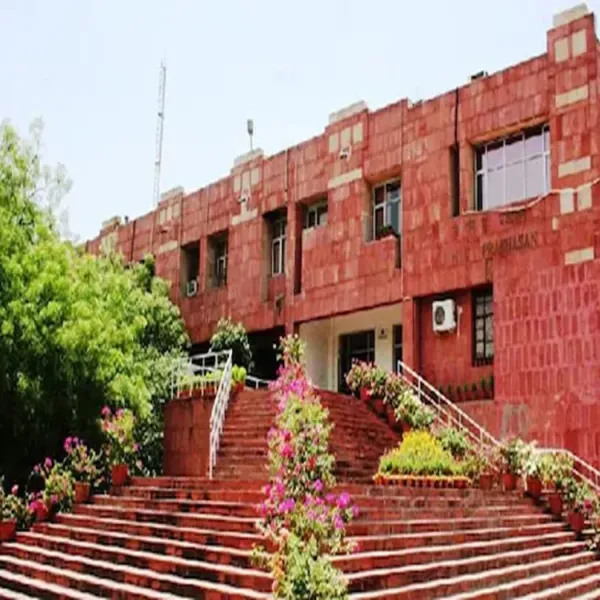
Council Meeting Raises Concerns Over Disciplinary Action
The School of Social Sciences (SSS) Council at Jawaharlal Nehru University convened a general body meeting this week to deliberate on what members described as unfair disciplinary action against office-bearers of the Jawaharlal Nehru University Students’ Union (JNUSU). The discussion centered on the rustication of student leaders, financial penalties imposed on several students, and concerns over what participants viewed as increasing restrictions on campus activism.
According to those present at the meeting, the disciplinary measures have sparked widespread concern within the university community. Council members argued that punitive actions, including proctorial inquiries and restrictions on campus access, have had a chilling effect on student engagement and participation in democratic processes.
Boycott of Classes Announced
Following extensive deliberations, the council unanimously resolved to boycott classes and initiate a strike. The decision, members said, is intended as an immediate yet democratic expression of protest. They described the strike as a warning to the university administration, urging officials to enter into constructive dialogue with students and faculty.
Council representatives stated that the protest would remain peaceful but cautioned that if discussions fail to materialize, the movement could expand into more sustained forms of collective action. They maintained that their objective is to ensure that grievances are addressed through institutional channels rather than prolonged confrontation.
Solidarity Across Academic Centres
Students from multiple centres within the School of Social Sciences voiced solidarity with peers facing disciplinary measures. Many participants criticized what they characterized as a pattern of administrative responses that rely on inquiries, fines, and suspensions rather than engagement.
Speakers during the meeting argued that the rustication of elected student representatives undermines the principle of student unionism and weakens participatory governance within the university. The general body passed resolutions condemning what it called an erosion of democratic functioning on campus.
The council also emphasized that the right to organize and advocate for policy reforms is integral to university life. Members contended that open dialogue is essential in addressing disagreements, particularly on issues concerning equity and inclusion.
Demands on Academic and Administrative Issues
Beyond the immediate disciplinary concerns, the council outlined a broader set of demands. These include student representation in the Academic Council, timely filling of vacant faculty positions, confirmation of pending appointments, and effective implementation of the University Grants Commission’s equity regulations slated for 2026.
Another key demand involves hostel accommodation for doctoral scholars until the completion and submission of their theses. Council members argued that research scholars often face housing uncertainties that can disrupt academic progress.
The council placed responsibility for any academic disruption squarely on the administration, asserting that meaningful engagement could prevent further escalation. University authorities have not yet issued a detailed public response to the strike call.
Delhi University Faculty Seek Calendar Adjustment
In a separate development at Delhi University, members of statutory bodies have written to the Vice-Chancellor requesting that the March 1–8 mid-semester break be converted into an official vacation period. Faculty representatives noted that teachers frequently remain engaged in examination-related duties during declared breaks, limiting their opportunity for rest.
The letter reportedly calls for consistency in the academic calendar and recognition of the sustained workload carried by faculty members. Signatories argued that parity with earlier calendar adjustments would help ensure fairness and transparency in scheduling.
Both developments underscore ongoing debates within higher education institutions over governance, academic policy, and the balance between administrative authority and stakeholder participation. As discussions continue, the responses of university administrations will likely shape the direction of campus discourse in the coming weeks.
-
T20 World Cup 2026: Justin Mosca, Anthony Mosca power Italy to HISTORIC 10-wicket win over Nepal

-
Tu Yaa Main Twitter review: Some bash, some love Shanaya Kapoor-Adarsh Gaurav’s thriller movie; Netizens say ‘Logic mat…’

-
O’Romeo Advance Booking: Can Shahid Kapoor’s thriller beat Kabir Singh’s opening day box office record?

-
USV Pharma Acquires 79% Stake In Wellbeing Nutrition For ₹1,583 Cr
-
Fire TV Stick investigators catching 'dodgy' users by finding one word in messages