Emerging from the mid-range darkness of the screening room (mid-range meaning light enough to take notes), I thought to myself, "What the f*** just happened?" I was still wearing the Study at Stow T-shirt I'd had on while celebrating my birthday the night before, and some people gave me a knowing smile of recognition. It was the first few days of term after an eventful Freshers Week, and I was mostly living on Cornettos and lager.
My plan to take film screenings seriously had extended to buying some new pens, but I couldn't recall when I'd last been home, so I didn't have them with me. Instead, I'd had to scrabble around and ask a classmate for a spare. Then, after it reached its dramatic conclusion, I stumbled towards the university's theatre cafe and began to try and put the pieces of the film together in my head.
It was David Lynch's Lost Highway, and I was so confused. There were videotapes, there was a scary man, there was a man with a sore head, there was a highway, and a building was on fire.
As the only person in the class who'd chosen E.T. as his favourite film, I definitely wasn't as intellectual as everyone else. And 26 years later, I had flashbacks as moviegoers who were clearly film students in a past life mooched towards the door at the BFI Imax cinema in London.
We were there to watch the film as part of a David Lynch retrospective, and this time, instead of a notebook, I had a massive Coke and a bucket of popcorn, which was as big as my head.
Leaving the cinema, I had the same feelings as I did back in 1999 - namely, what the f*** was that and what happens now?
Life will never be the same, so how do I come to terms with what has happened in the film and how it has changed me as a person?
How do I comprehend what is going on?
In that sense, the memory of this film made me think a lot about the day I was diagnosed with incurable bowel cancer in the summer of 2023.
I had been pre-warned that the tumour was "sinister", so that was a bit like reading a film review before deciding to buy a ticket.
And then, emerging into the sunlight after receiving my diagnosis, I wondered "what the f*** just happened and how will I cope with what I've just been told?"
It felt very Lynchian, as some things made sense but mostly didn't. It was surprising but not wholly unexpected.
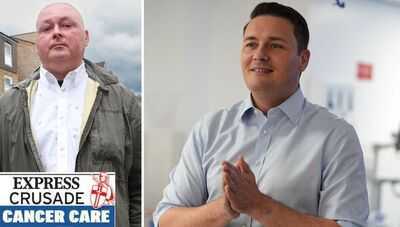
I had a similar feeling after Wes Streeting revealed Labour's National Cancer Plan last week.
By choosing to launch it at a Maggie's Centre, I knew that there would be something in the plan about mental health, as the Maggie's charity focuses on emotional support for cancer patients.
But I didn't know just how far he would go, and I didn't realise that he had actually listened to the Daily Express's Cancer Care campaign and understood the need for all patients to have mental health support both during and after treatment.
And just as with understanding a cancer diagnosis or a David Lynch film, the critical question is: what happens now?
The Health Secretary stated that all cancer patients will get a personal cancer plan when they are diagnosed, covering everything that applies to three vital levels of support: treatment, mental health and help getting back to work.
So, for me, the "what now" is ensuring that this is implemented properly for all patients. I won't rest (in peace) until this happens.
-
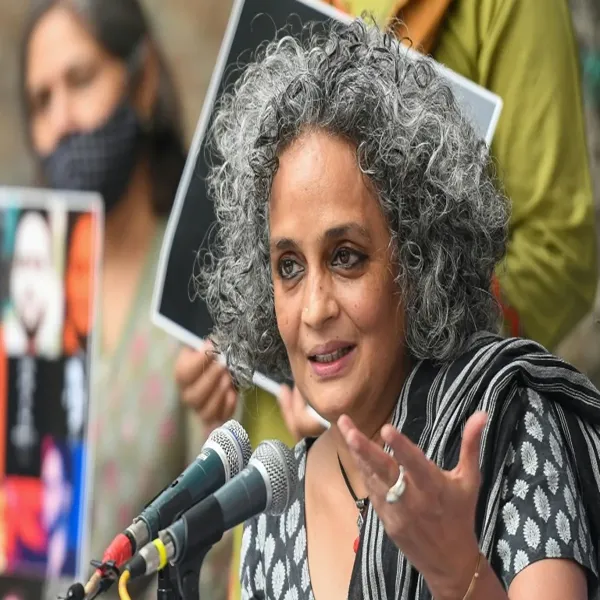
Cinema – Arundhati Roy Pulls Out of Berlin Film Festival
-
Heroin – Drone Smuggling Bid Foiled Near RS Pura Border Sector

-
MissingStudent – UC Berkeley Postgraduate Disappears in California

-
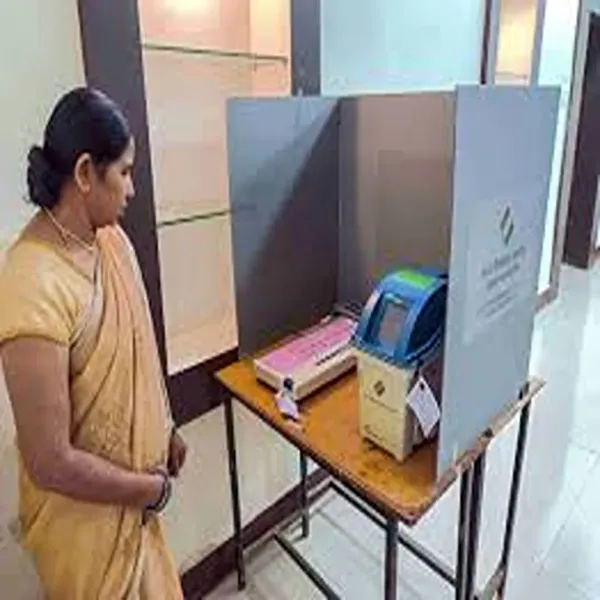
Election – Minor’s Entry Into Poll Booth Triggers Official Action
-
Infrastructure – PM Modi Launches Strategic Infrastructure Projects in Assam