
Brits are being warned that taking money from a friend or family member for a lift in their car could land them in trouble. Taking a colleague to work or dropping a friend home after a night out is a common practice for many car owners.
However, car insurance experts at Tiger.co.uk say drivers could face a steep fine and may even invalidate their insurance if they are found to be charging passengers and making a profit from providing lifts. This is because insurance providers may consider it operating an unlicensed taxi, which is not covered under standard policies. According to the Public Passenger Vehicle Act 1981, passenger contributions should be arranged before the journey and should only cover the vehicle's running costs, such as fuel and wear and tear. Exceeding these limits could result in drivers being finedup to £2,500. While it is legal for driversto take petrol money from their mates in exchange for the occasional lift, police have been cracking down on groups who use social media platforms to arrange illegal 'cash for lifts' schemes, essentially operating as unlicensed taxis.
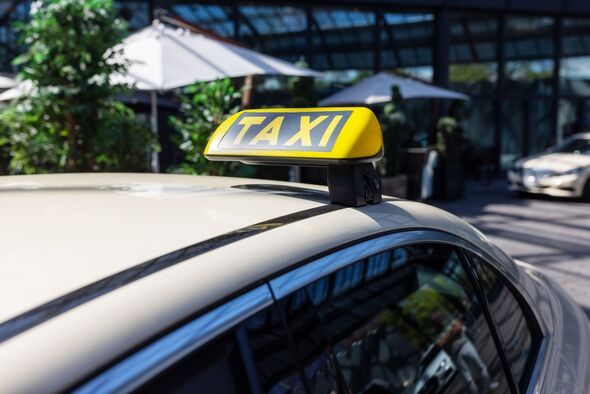
This trend hit the headlines when Dorset Police warned about a closed Facebook group in Bournemouth with 7,000 members, set up to buy and sell car journeys as part of an illegal online taxi service.
Meanwhile, Jersey's illegal taxi trade is estimated to be worth a staggering £1m a year, with some drivers said to be making as much as £300 in a single night by providing lifts.
Ian Wilson, car insurance expert and managing director at Tiger.co.uk said a special policy needs to be in place for any drivers looking to make a profit from offering lifts. He added: "Sharing a car is a great way to split the cost of your journey and reduce your carbon footprint.
"Most drivers are more than happy to offer a friend or a co-worker a lift, and there is nothing wrong with accepting a few pounds from passengers to help cover running costs, particularly given the fluctuating prices of fuel.
"But issues can arise if you are making a profit from doing this, as it can be legally classed as a 'hire or reward' transaction. This would require taxi insurance rather than standard car insurance, which typically only provides cover for social, domestic and pleasure use.
"As this is a relatively unknown law, many unwitting motorists could be caught out and risk having their insurance invalidated and slapped with a hefty fine.
"To make sure you aren't benefitting financially from your act of kindness and stay on the right side of the law, you can use legitimate and regulated ride-sharing apps. These calculate a suggested contribution per passenger for your journey based on the length of your trip.
"Taking steps like this will ensure passenger costs offset actual running costs and no profit is made, therefore unlikely to invalidate your car insurance."
-
From Tadasana to Shavasana: Control hypertension with a few minutes of yoga

-
Ram temple has been built in Ayodhya, what is incomplete now? got the answer

-
A kiss took away the eyesight of an innocent child, what is Herpes Virus, know its symptoms

-
Change in India’s ‘health’ through AI, JP Nadda made shocking views

-
Country’s first AI city will take shape in Bengaluru, know about the complete project