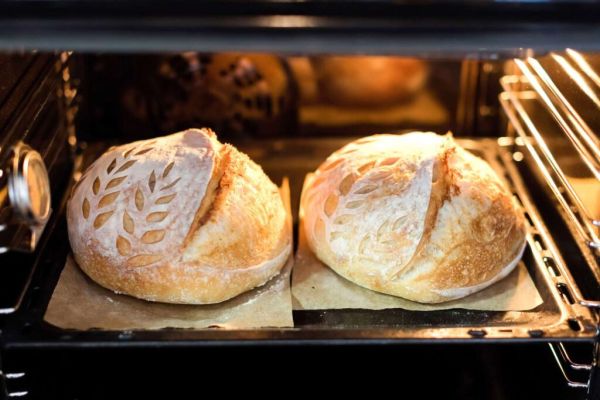
Sourdough bread, needing only three core ingredients, may seem simple to make: Mix the dough, let it ferment, shape it, and bake. Yet anyone who’s tried to make bread with a living, ever-evolving sourdough starter knows countless variables — from the type of flour to the dough’s hydration, not to mention the weather outside and the ambient temperature of your kitchen — can interfere with the process and leave your loaf flat.
With so many methods circulating in cookbooks and online, it can be hard to know what really matters. To narrow it down, we asked five trusted professional bakers for their one key to success when baking sourdough bread at home.
Keep it simple
This logic can be applied to most baking, but is particularly important when it comes to sourdough, says Zak Stern, owner of Zak the Baker in Miami. “Resist the urge to start at the most advanced level. As a professional baker, I always encourage home bakers to let the artisans do the fancy stuff at first,” he says.
Stern suggests starting with a loaf baked in a simple aluminum bread pan so you can focus on the fundamentals of fermentation, timing, and flavor.
“Those basics matter far more than technique early on,” he says. “When you remove variables, you’re much more likely to succeed, and success builds confidence. From there, moving on to free-form loaves, scoring, or higher-hydration doughs becomes exciting rather than frustrating. Most people don’t fail at sourdough because it’s too hard, they lose interest because they start with too much, too soon.”
Use high-quality flour
Cookbook author and baker Natasha Pickowicz swears by freshly milled flour for sourdough baking.
“My best piece of advice is to find a local bakery or mill that’s selling freshly milled flour — not only will you be supporting local businesses and regional agriculture, but using fresh flour really makes all the difference in the flavor and final outcome of your loaf,” Pickowicz says.
She buys hers from Brooklyn Granary and Mill which carefully processes flavorful grains exclusively from regional farms. “The loaf will only be as delicious as the flour you start with, after all — most shelf-stable flours have no flavor at all, but are bland and stripped of their nutrition. That becomes particularly apparent in a naturally leavened loaf, so the final product might taste acidic or overly sour, rather than nuanced and sweet and complex and balanced.”
Feed your starter regularly
Josey Baker of Josey Baker Bread in San Francisco says the most important aspect of sourdough bread baking is the health of your sourdough starter.
“It’s the foundation on which every loaf is built. Any time something funky is going on with our bread, it’s the place we start with our investigation,” Baker says. The key to maintaining a healthy sourdough culture, she says, is simply consistency. “Just feed it regularly, every day if you’re baking often, or let it live in your fridge and feed it once a week if not.”
Practice is key
“My best sourdough tip is daily practice,” says Crystal White, owner of Wayfarer Bread in La Jolla, California.
“Even as a professional baker for many years, I did not feel like I truly excelled at sourdough baking until I was baking by myself every single day. With that kind of consistent practice, you learn to troubleshoot in all kinds of weather, with all kinds of flour,” says White.
Familiarizing yourself deeply with your sourdough starter, including through experiments with time, temperature, and ingredient ratios, allows you to understand when to use it and how to fine-tune the results, she adds. “And best of all, you get incredibly comfortable working with your dough — it begins to feel like an extension of yourself. It has been the most rewarding pursuit in baking for me; it is constantly compelling and ever-changing.”
You really only need one starter
Graison Gill, international bread baking instructor and former owner of Bellegarde Bakery in New Orleans, echoes the importance of familiarizing yourself with your sourdough starter, arguing for this reason that it’s best to use a single sourdough starter for all of your bread baking.
“A sourdough starter is not a clothing article — you don’t need a brand new one for each recipe,” he explains. “When I had my bakery in New Orleans, we were making 10,000 loaves of bread by hand each week, and we used the same starter in all of them.”
Managing multiple starters runs counter to the importance of repetition and consistency in your sourdough practice, he says, and isn’t necessary for trying new styles. “Even for recipes that may need a special starter, (such as) rye, you can easily convert your main starter into a new one. After two feedings the starter becomes whatever flour you’re feeding it.”
-
Rod Stewart fans rush to support star as he announces career update

-
Winning EuroMillions numbers: Full lottery results with Thunderball on March 3

-
Celebrate Holi with Joy: 100 Colorful Wishes and Messages

-
Effective Homemade Drink for Liver Detoxification

-
Mountain Shadows Resort, Wayanad Launches India's Most Exclusive Wedding Destination in Kerala