Why Supply Drops Suddenly During Your Period or Monthly Hormonal Shifts
Pregatips | February 20, 2026 1:39 AM CST
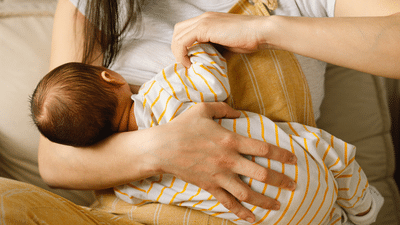
Milk supply changes throughout the breastfeeding journey. However, it is natural to worry when you notice a sudden drop in it when you are actively breastfeeding your baby. You may become frustrated if your baby becomes fussier when they are put on the breast, or if they want to feed more often than usual. Their behaviour can make you doubt your milk supply.
You may notice the drop is more common around your menstrual cycle due to hormonal changes. You can respond to this phase confidently if you know the reasons for the dip.
Why Do Hormonal Changes Affect Your Milk Supply?
Your milk production depends on your hormones. Prolactin and oxytocin play a major role in releasing milk during pregnancy and breastfeeding. But this changes when your menstrual cycle returns, as oestrogen and progesterone begin to rise and fall again.
These hormonal changes can interfere with prolactin activity, which affects how much milk your body makes. The result is a temporary drop in supply.
The dip is more common if you get your period early, within the first six months after the delivery.
When Does Milk Supply Usually Drop During the Cycle?
The dip happens in the following timelines for some:
How Do Hormonal Shifts Change the Taste and Composition of Milk?
Mineral levels in your milk may shift during your period. Calcium levels can drop while sodium levels rise. This may make your milk taste a little different from usual.
Therefore, it is normal for babies to:
How Calcium and Magnesium Influence Supply
Low calcium levels can lead to stronger dips in supply during menstruation. So, you can increase your calcium and magnesium intake before your period to stabilise milk production. It will also reduce nipple tenderness.
Your doctor may suggest starting supplements two to three days before your cycle, but only after medical guidance.
Is the Drop in Supply Permanent?
The dip in milk supply is temporary in most cases.
Why Does Your Baby Seem Hungrier During This Phase?
Your baby may behave differently when your supply dips. You may notice the following behaviour:
Cluster Feeding as a Natural Response
Some babies begin cluster feeding during this time, which helps your body rebuild production levels.
Although it can feel tiring, it is your body’s natural way of balancing supply and demand.
Are Cramps, Tenderness, or Nipple Pain Linked to Supply Changes?
You may notice the following signs:
What Can You Do to Support Supply During Hormonal Drops?
You can reduce the impact of hormonal changes.
Practical Steps You Can Follow
Nutritional Support
Your doctor may suggest the following steps:
When Should You Consider Pumping Support?
Pumping may help maintain supply if your baby becomes fussy or cannot latch comfortably.
What Emotional and Mental Changes Might You Experience?
Hormonal dips can also influence your mood. You may feel:
What Warning Signs Mean You Should See a Doctor?
You should seek lactation support if you notice the following signs:
Whether you’re pregnant, a new mom, or navigating postpartum, you don’t have to do it alone. Join our support group to connect, share, and support one another.
FAQs on Why Supply Drops Suddenly During Your Period or Monthly Hormonal Shifts?
Does every breastfeeding mother experience a supply drop during their period?
No, only some may notice a dip, while others do not experience any change. Everybody reacts differently to their hormones.
Can your period return early even if you are exclusively breastfeeding?
Yes, menstruation returns early for some women, especially if feeding intervals increase or pumping replaces direct feeding.
Will supply stay low permanently if cycles continue?
Supply returns to normal after the hormonal phase passes in most cases. You can consult your doctor or a lactation expert if your supply remains low.
You may notice the drop is more common around your menstrual cycle due to hormonal changes. You can respond to this phase confidently if you know the reasons for the dip.
Why Do Hormonal Changes Affect Your Milk Supply?
Your milk production depends on your hormones. Prolactin and oxytocin play a major role in releasing milk during pregnancy and breastfeeding. But this changes when your menstrual cycle returns, as oestrogen and progesterone begin to rise and fall again.
These hormonal changes can interfere with prolactin activity, which affects how much milk your body makes. The result is a temporary drop in supply.
The dip is more common if you get your period early, within the first six months after the delivery.
When Does Milk Supply Usually Drop During the Cycle?
The dip happens in the following timelines for some:
- A few days before the period starts
- During the first two to three days of bleeding
- In the middle of the cycle during ovulation
How Do Hormonal Shifts Change the Taste and Composition of Milk?
Mineral levels in your milk may shift during your period. Calcium levels can drop while sodium levels rise. This may make your milk taste a little different from usual.
Therefore, it is normal for babies to:
- Feed frequently
- Pull off the breast
- Seem restless
How Calcium and Magnesium Influence Supply
Low calcium levels can lead to stronger dips in supply during menstruation. So, you can increase your calcium and magnesium intake before your period to stabilise milk production. It will also reduce nipple tenderness.
Your doctor may suggest starting supplements two to three days before your cycle, but only after medical guidance.
Is the Drop in Supply Permanent?
The dip in milk supply is temporary in most cases.
- Supply gets normal after the first few days of your period
- After hormone levels settle
- When feeding or pumping is consistent
Why Does Your Baby Seem Hungrier During This Phase?
Your baby may behave differently when your supply dips. You may notice the following behaviour:
- Want to get fed frequently
- Longer feeding sessions
- Fussiness at the breast
- Waking more during the night
Cluster Feeding as a Natural Response
Some babies begin cluster feeding during this time, which helps your body rebuild production levels.
Although it can feel tiring, it is your body’s natural way of balancing supply and demand.
Are Cramps, Tenderness, or Nipple Pain Linked to Supply Changes?
You may notice the following signs:
- Nipple sensitivity
- Breast tenderness
- Mild cramps while feeding
- Temporary discomfort
What Can You Do to Support Supply During Hormonal Drops?
You can reduce the impact of hormonal changes.
Practical Steps You Can Follow
- Feed or pump more frequently during the dip
- Offer both breasts during each feed
- Avoid long gaps between feeds
- Stay hydrated throughout the day
- Eat balanced meals rich in calcium and iron
- Ensure proper latch and positioning
Nutritional Support
Your doctor may suggest the following steps:
- Calcium and magnesium supplements
- Iron-rich foods
- Leafy vegetables, fruits, and proteins
When Should You Consider Pumping Support?
Pumping may help maintain supply if your baby becomes fussy or cannot latch comfortably.
- It can stimulate additional milk production
- It can provide extra stored milk
- It can support feeding during fussiness
What Emotional and Mental Changes Might You Experience?
Hormonal dips can also influence your mood. You may feel:
- More emotional
- Overwhelmed or tired
- Sensitive or irritable
- Anxious about supply
What Warning Signs Mean You Should See a Doctor?
You should seek lactation support if you notice the following signs:
- Ongoing supply drop that does not return
- Rapid weight loss in your baby
- Very few wet diapers
- Signs of dehydration or weakness in your baby
- Severe pain during feeding
- Nipple cracks, infections, or swelling
- Nutritional deficiency
- Thyroid disorder
- Anaemia
- Hormonal imbalance
- Latch or feeding issues
- Track your cycle and observe changes in the supply
- Increase feeds slightly during dip days
- Maintain hydration and nourishing meals
- Rest whenever possible
- Ask your doctor about calcium or magnesium supplements
- Seek lactation advice if supply concerns persist
Whether you’re pregnant, a new mom, or navigating postpartum, you don’t have to do it alone. Join our support group to connect, share, and support one another.
FAQs on Why Supply Drops Suddenly During Your Period or Monthly Hormonal Shifts?
No, only some may notice a dip, while others do not experience any change. Everybody reacts differently to their hormones.
Yes, menstruation returns early for some women, especially if feeding intervals increase or pumping replaces direct feeding.
Supply returns to normal after the hormonal phase passes in most cases. You can consult your doctor or a lactation expert if your supply remains low.
READ NEXT
-
T20 World Cup 2026: Tap water… Italian players made fun of India, see VIDEO

-
Netaji had gone to get treatment for stomach ache, even medical science was surprised to see the report, ‘uterus’ in the man’s stomach – News Himachali News Himachali

-
If the salary is more than Rs 15 lakh then is the old tax regime better? Here are the complete details.

-
BKNG Stock Falls To Over 16-Month Lows – Brokerages Flag AI-Related Uncertainties

-
Minneapolis Fed President Says White House Is Trying To Compromise The Central Bank’s Independence: Report