
Fresh research from Autotrader has revealed that almost one in five British motorists (19%) place greater faith in their own instincts than their vehicle's warning systems, with "potentially dangerous consequences". The study, encompassing 1,000 UK drivers, discovered that 6.4 million people on the road (16%) could be carrying on driving for days or even weeks while a dashboard warning light remained illuminated, rather than tackling the problem straight away, according to extrapolated data.
While nearly half of motorists (49%) search for warning lights online before determining their next move, a mere 36% take their vehicle to a garage the moment a warning light appears. Even more troubling, over one in five (22%) keep driving, intending to 'sort it out later'.
Financial concerns lie at the heart of most drivers' choices to disregard warning lights, the study suggests. The findings showed that roughly 5.6 million British drivers (14%) postpone addressing warning lights due to anxieties about repair bills, while nearly one in six (14%) acknowledge occasionally ignoring warnings simply because they're uncertain what they indicate.
- UK's most fuel-efficient car named by experts - and it's not a VW, Audi, or Toyota Prius
- Full list of 20 most stolen car models across UK
Yet, with the typical garage bill for unforeseen repairs now hitting £650, motorists could be facing a heftier cost if they disregard a warning light rather than addressing it promptly. An engine management light might indicate anything from a loose petrol cap to a deteriorating catalytic converter.
In the most favourable circumstances, a loose cap might set you back as little as £10 to swap out, but dismissing the alert without establishing the root cause can have substantial ramifications for both your bank balance and your vehicle.
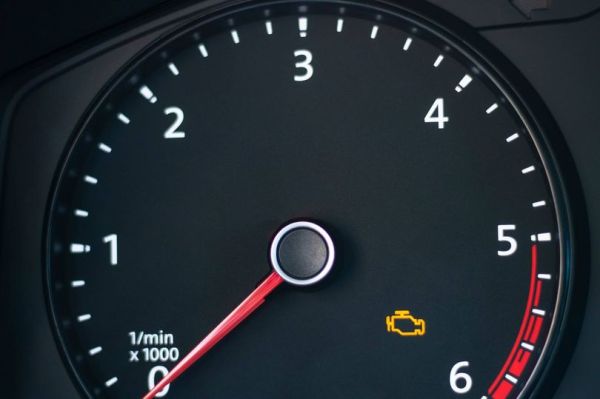 Professional guidance for handling dashboard warning lights
Autotrader's specialists have offered their recommendations on how motorists should react to warning lights.
Don't disregard them: Even when your vehicle appears to be running fine, warning lights are there to flag up potential troubles before they escalate. Overlooking them can transform a minor niggle into a costly fix.
Consult your handbook: Warning lights don't all signal the same degree of urgency. Red lights generally demand instant action, whilst amber lights may allow you breathing space. Your vehicle's handbook will clarify what each symbol represents.
Get expert guidance: If you're uncertain about a warning light, get in touch with your garage or dealership. Many offer complimentary diagnostics or telephone advice.
Think about predictable expenses: If worries over costs are stopping you from tackling car issues, leasing can provide reassurance through fixed monthly payments with maintenance frequently covered, eliminating concerns about surprise repair charges.
Erin Baker, car leasing expert at Autotrader, said: "The data clearly shows that when repair costs are predictable and covered, drivers are far more proactive about addressing potential problems. Lease holders are not only less stressed about warning lights, but they're also more likely to deal with them straight away, which ultimately leads to safer, better-maintained vehicles."
The gender gapThere's a distinct difference in how male and female motorists respond to warning lights, the fresh data reveals. Blokes are more inclined to carry on driving and sort problems out later (25% versus 19% of women) and feel more assured they understand which lights require urgent attention.
However, that self-assurance could be working against them. Whilst women experience greater stress or worry when a warning light illuminates, they're more prone to act immediately: almost two-thirds (65%) address warning lights the moment they appear, compared with 57% of men.
Under-25s almost three times more likely to take needless risksDespite these hazards, motorists aged 18-24 are nearly triple the risk of those aged 55+ to keep driving for days or even weeks with a warning light illuminated (29% vs 11%). The study attributed this perilous conduct to overconfidence, with almost one-third (31%) of 18–24-year-olds placing more faith in their own judgement than their vehicle's alert system - twice the rate of those aged 35–44 (16%).
Studies indicate that younger drivers are more susceptible to 'optimism bias', the inclination to think "it won't happen to me", making them more inclined to take chances with warning lights. On the bright side, age does indeed confer wisdom: whilst only 37% of 18–24-year-olds address warning lights promptly, this figure gradually increases with age, reaching 69% among drivers aged 55 and above.
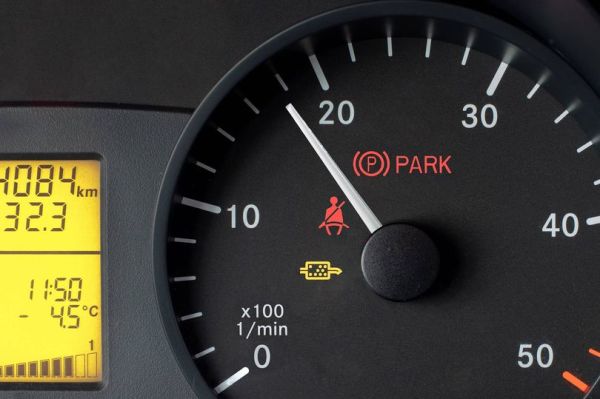 Car ownership and upkeep
The research also discovered that the type of car ownership influences how drivers respond to warning lights. Those who've purchased their vehicles on finance are 2.5 times more likely to postpone dealing with warning lights due to financial concerns (23%), compared to leaseholders (9%).
Finance buyers are also the least likely to immediately take their car to a garage, with fewer than one-third (29%) stating they sought a mechanic's help the last time a warning light flashed up on their dashboard. Unlike lease agreements where maintenance is typically covered, finance buyers foot the bill for all repairs themselves, which could account for this reluctance.
Erin explained: "Our research shows a disconnect between what drivers know and what they do. While 69% agree that ignoring warning lights can put their safety at risk, and 67% worry about long-term damage to their car, many still delay acting, often due to cost anxiety.
"The irony is that the warning lights that are designed to prevent expensive failures are being ignored because people fear expensive failures. But in trying to avoid a garage bill today, drivers are often guaranteeing a much larger one tomorrow and putting themselves at risk in the meantime."
The study was commissioned by Autotrader and carried out by Censuswide, surveying 1,000 UK motorists (aged 18+) who possess a full UK driving licence and drive a vehicle at least from time to time. Figures accurate as of February 2026.
Ensure our latest headlines always appear at the top of your Google Search by making us a Preferred Source. Click here to activate or add us as your Preferred Source in your Google search settings.
-
Fire breaks out at mobile shop in Hyderabad’s KPHB, no casualties
-
Have piles? Will no longer be there! Know the sure and effective home remedy for piles… – News Himachali News Himachali

-
When will PM Kisan’s Rs 2000 come to his account? This big update came regarding the date

-
Mount of Jupiter: What is the importance of Mount Jupiter in palmistry? Know special things related to luck

-
Neer Dosa Making Tips: Neither will it burn, nor will it stick… Neer Dosa will be perfect, follow these 5 bonus tips