
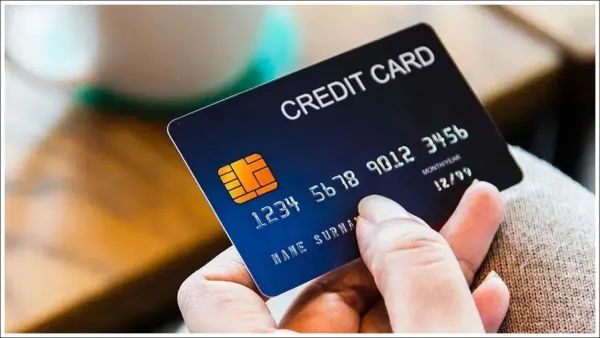
Nowadays, whether we have cash in our pockets or not, a plastic card can easily fulfill our every small and big need. On the lines of debit card, credit card has now made a permanent place in every person's wallet. But as soon as the monthly bill is generated, a big question starts revolving in the minds of people. Should the bill be paid immediately as soon as the statement arrives, or is it better to wait till the due date? This confusion often persists among common consumers because the time of bill payment has a direct impact on your credit score. Let us understand what the right step should be in this case and what impact it has on your financial life.
Right time for payment…immediately or last date?
When a message of credit card statement comes on your email or phone, many times people get worried thinking that if they wait till the due date, their CIBIL score will fall. The reality is that your credit score does not matter whether you are paying as soon as the statement arrives or using the grace period to pay your bill on the due date. If your payment is being made within the time limit set by the bank, then your financial records remain completely safe. You can choose any of these two options as per your financial convenience and availability of cash.
CIBIL score can get spoiled due to late payment mistake
There is no harm in waiting till the due date, but if due to some carelessness this date is crossed, then your real trouble starts. Making payment after the due date given by the bank is considered as late payment. This is such a serious mistake that can put a big stain on your entire credit history. Once the CIBIL score gets spoiled, it becomes very difficult to take any kind of home loan, car loan or get a new card in future. Therefore, it is very important to make the habit of paying bills on time your financial priority.
Paying only 'minimum dues'... a sweet poison
There are always two types of amounts visible in the credit card billing statement, first is total outstanding and second is minimum due. Many times people think that by just paying the minimum amount i.e. minimum due, the bank penalty can be avoided and their work will be done. But from the financial point of view it proves to be a big trap. The money left by paying only the minimum amount gets added next month and banks charge huge interest on it. Gradually this habit pushes you into a huge debt and its direct negative impact becomes clearly visible on your credit score. The full bill should always be paid.
The emergency fund rule that will save you
To maintain an excellent credit score, it is also important to know how much of your limit you should spend. Financial experts clearly believe that it is safest to use only 30 percent of the total limit of the card. By spending your entire limit, you are considered a highly debt dependent person in the eyes of banks. Additionally, it is not wise to rely only on credit cards to deal with any unexpected crisis in life. There should always be an emergency fund in your bank account that can easily cover your expenses for at least the next six months.
-
18 killed after bus plunges into river in Nepal

-
Rajasthan ex-BJP MP insulted woman at blanket distribution: Congress

-
Maharashtra Budget Session to proceed without LoPs in both houses

-
BAFTA Awards 2026: India’s Boong Makes History Winning Best Children’s And Family Film

-
Who Was El Mencho? Mexico’s Most Notorious Cartel Boss With A $15 Million Bounty