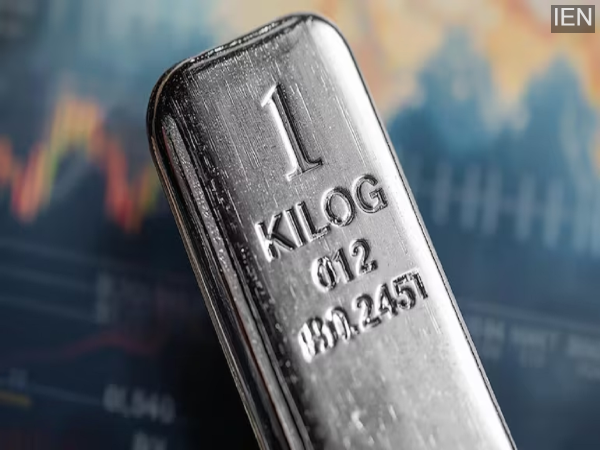
Silver rates in India remained largely unchanged on February 25, 2026, reflecting a stable trend in the bullion market even as global cues stayed supportive. Despite limited day-to-day movement in domestic physical prices, futures and international spot rates showed strength, indicating cautious optimism among investors.
Silver Trades Flat in Domestic Market
On Wednesday, physical silver prices across major Indian cities showed little variation compared with the previous session, suggesting a pause in volatility after recent fluctuations. Market participants observed that bullion traders were largely holding positions steady while awaiting fresh global triggers that could influence price direction.
However, in the derivatives segment, silver futures on Multi Commodity Exchange of India opened with notable gains. The contract rose about 1.97% at the start of trading to ₹2,77,509 per kilogram, signaling underlying strength in investor sentiment. Analysts say such divergence between spot and futures markets often indicates expectations of future price momentum.
International Prices Edge Higher
Globally, silver also recorded an uptick. Spot prices climbed approximately 2.32% to trade near $89.59 per ounce. This upward movement came amid ongoing uncertainty related to international tariff policies and trade developments, which have prompted investors to seek relatively safer assets.
Precious metals such as silver and gold typically benefit when geopolitical or economic risks rise, as they are widely viewed as hedges against volatility. The latest movement reflects this trend, with traders shifting allocations toward metals while monitoring policy developments worldwide.
Investors Await Federal Reserve Signals
Market focus is now turning toward the upcoming release of minutes from the January policy meeting of the U.S. Federal Reserve. These minutes are expected to provide clues about the future trajectory of interest rates. Any indication of rate cuts or prolonged pauses could influence the appeal of non-yielding assets like precious metals.
Historically, lower interest rates tend to support silver and gold prices because they reduce the opportunity cost of holding such assets. Conversely, expectations of tighter monetary policy can weigh on bullion demand.
Previous Day’s Benchmark Price
According to data released by the Indian Bullion Jewellers Association, the price of 999-purity silver on the evening of February 24 stood at ₹2,62,912 per kilogram, marking a marginal decline of about 0.44% from the previous closing level. This slight dip underscored the cautious tone that prevailed in the physical market before Wednesday’s session.
Safe-Haven Buying on Global Concerns
A recent analysis by Augmont noted that silver has climbed to a three-week high. The report attributed the rise to heightened investor caution following legal developments related to tariff measures in the United States and reactions from Donald Trump. Such geopolitical uncertainties often trigger safe-haven buying, pushing precious-metal prices upward.
The report added that silver has already touched the $85 per ounce mark (roughly ₹2,60,000 per kg equivalent) and could move toward $90 and even $92 levels if supportive conditions persist. These projections suggest analysts expect continued volatility but with an upward bias if risk sentiment remains elevated.
City-Wise Silver Rates on Feb 25
Below are the approximate retail silver prices per kilogram across major Indian cities:
| City | Price (₹/kg) |
|---|---|
| Delhi | 2,85,000 |
| Mumbai | 2,85,000 |
| Ahmedabad | 2,85,000 |
| Chennai | 2,95,000 |
| Kolkata | 2,85,000 |
| Hyderabad | 2,85,000 |
| Jaipur | 2,85,000 |
| Bhopal | 2,85,000 |
| Lucknow | 2,85,000 |
| Chandigarh | 2,85,000 |
Chennai continued to quote slightly higher rates than most other cities, a difference typically attributed to local demand, logistics, and taxation factors.
Outlook
Market experts believe silver may remain range-bound in the near term as traders weigh global economic signals, central-bank policy expectations, and geopolitical developments. While immediate domestic prices appear stable, strong international trends and investment demand could drive the next major move.
For investors, analysts recommend keeping a close watch on global macroeconomic data, Federal Reserve commentary, and currency fluctuations — all of which can significantly influence precious-metal pricing trends.
-
Rush Hour: CJI pulls up NCERT over 'corruption in judiciary' chapter, Soren's ED trial stayed & more

-
Rush Hour: CJI pulls up NCERT over 'corruption in judiciary' chapter, Soren's ED trial stayed & more

-
ED attaches Anil Ambani's Rs 3716 crore Pali Hill Residential property 'Abode'

-
ED attaches Anil Ambani's Rs 3716 crore Pali Hill Residential property 'Abode'
-
ED attaches Anil Ambani's Rs 3716 crore Pali Hill Residential property 'Abode'