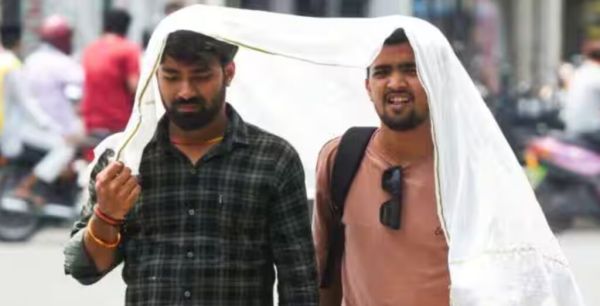
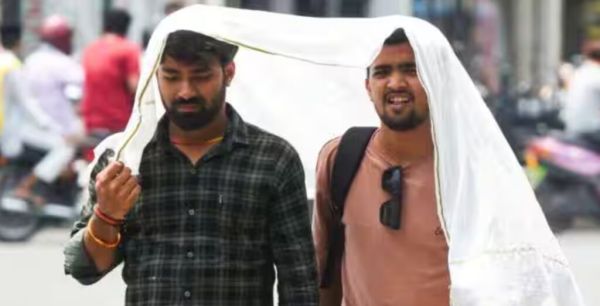
Kashmir experienced extreme heat in February 2026, often referred to as “April in February”, one of the hottest Februarys on record. Srinagar broke its highest ever February temperature record, reaching **21.0°C**—about **10-12°C** above normal—surpassing the previous high of 20.6°C set in 2016.
The disturbance spread across the valley: temperatures reached 21.2°C (+11.1°C) in Qazigund, 17.6°C (+10.1°C) in Pahalgam, 11.2°C (+9.2°C) in Gulmarg, 20.4°C (+10.3°C) in Kupwara, and 18.4°C (+9.6°C) in Kokernag. Jammu region recorded a temperature of 25.3°C (+3°C), while Ladakh areas like Nubra recorded a temperature of 10.1°C. Meteorologists have warned that temperatures could rise further, and record heat is expected in February 2026.
Due to severe 50-85% deficit in rainfall (about 56% in Kashmir division) there is no snow in the mountains even at altitudes up to 14,000 feet, raising ecological concerns. The lack of Western Disturbance has resulted in dry conditions, threatening water security, agriculture and tourism.
Experts believe the reason for this to be climate change, the Himalayas are warming faster than the global average, due to which the glaciers are retreating rapidly. Studies show that there has been significant loss of glaciers in the region (25-30% in J&K over the past several decades), and ongoing trends are raising alarm bells for North India’s water resources.
This “heatwave-like” change in winter highlights major vulnerabilities in the Himalayas, including snow loss, which is impacting rivers and ecosystems. Persistent heat and drought could cause ice to melt faster, increase disaster risk, and lead to long-term water shortages for millions of people. Officials and scientists are advising to keep a watch as this month progresses, but no major relief is in sight.
-
Chennai Weather Update: Can Rain Impact India vs Zimbabwe T20 World Cup Match?

-
ABP Live Doc Talk: Before You Play With Colours, Here’s Why Pre-Holi Oiling Is Essential

-
AI, Equity Inflows And Forex Reserves: What’s Supporting The Rupee Now

-
Punjab NEET PG 2025: Stray Round Allotment Result Out At bfuhs.ggsmch.org, Check Details Here

-
Vijay Deverakonda-Rashmika Mandanna Are Married! Kodava Ceremony To Start At 4 PM