A Parent's Guide to Clean and Safe Drinking Water for Babies in India
Pregatips | February 26, 2026 4:40 PM CST
Every parent wants to protect their baby from harm, yet one of the most common daily concerns often goes unnoticed, especially drinking water. Many parents in India ask themselves, “
The water looks clean, but is it really safe for my baby?” This question usually arises late at night, during formula preparation, or when a baby starts solid foods.
In many households, families rely on tap water, borewell water, or packaged drinking water without fully understanding the risks. Water that appears clear can still carry harmful bacteria, parasites, or chemical impurities. For a baby with a developing immune system, even a small amount of unsafe water can lead to diarrhoea, dehydration, or severe infections that require medical care.
Let’s discuss the ways to provide safe drinking water to your baby.
What are the Common Water Quality Challenges in India?
In many parts of India, water sources face challenges such as:
Why Babies Need Extra Protection from Unsafe Water?
Babies need extra protection from unsafe water because their immune systems are still developing. Their bodies cannot fight germs as vigorously as adults can. When babies drink contaminated water, bacteria, viruses, and parasites can quickly cause diarrhoea, vomiting, and dehydration. These illnesses can become serious within a short time. According to the World Health Organisation, unsafe drinking water and poor sanitation cause over 395,000 deaths each year among children under five worldwide. The recent water contamination case in Indore, Madhya Pradesh, is a reminder to ensure safe water quality.
In India specifically, unsafe water contributes significantly to child illness and mortality. Did you know? Around 1.5 million children die from diarrhoea and related diseases each year, often linked to contaminated drinking water and poor sanitation.
Water contamination magnifies the risk for infants because they have less mature gut flora and a lower ability to fight infection. In practical terms, without proper water treatment, such as boiling, filtering, and safe storage, babies are more likely to suffer from repeated diarrhoea, nutrient malabsorption, and dehydration, which can have long-term effects on their growth and development.
What are the Best Practices for Making and Storing Drinking Water Safe for Babies?
Preparing safe drinking water for babies requires careful attention at every step. Boiling, filtering, and proper storage work together to reduce the risk of waterborne infections and protect your baby’s developing immune system.
Tip: Always boil fresh water daily and avoid mixing boiled water with unboiled water.
Tip: Follow the manufacturer’s maintenance schedule strictly to prevent filter-related contamination.
Tip: Designate one container only for baby water and clean it separately from other household vessels.
Note: Packaged or bottled water may seem safe, but it is not always ideal for babies. Quality can vary between brands, and storage conditions may affect safety. Always consult your paediatrician before buying packaged water for your little one.
When Do Babies Need Drinking Water?
Babies below six months of age usually do not need additional water if they are exclusively breastfed. Breast milk provides sufficient hydration. After six months, when complementary feeding begins, babies may require small amounts of safe drinking water. Always use boiled and cooled water for this purpose.
What to Do Next?
Safe drinking water is one of the simplest yet most powerful ways to protect your baby’s health. In India, where water quality can vary, boiling, careful filtering, and proper storage are vital for preventing illness. Following these practices may help parents create a safe environment that supports healthy growth and development from the very beginning.
Whether you’re pregnant, a new mom, or navigating postpartum, you don’t have to do it alone. Join our support group to connect, share, and support one another.
FAQs on a Parent’s Guide to Clean and Safe Drinking Water for Babies in IndiaIs boiling water necessary if I use a water purifier?
Yes. Boiling adds an extra layer of safety, especially for babies.
How long can boiled water be stored?
Use boiled water within 24 hours if stored in a clean, covered container.
Can I use tap water directly for baby formula?
No. Always boil tap water before using it for baby feeds.
In many households, families rely on tap water, borewell water, or packaged drinking water without fully understanding the risks. Water that appears clear can still carry harmful bacteria, parasites, or chemical impurities. For a baby with a developing immune system, even a small amount of unsafe water can lead to diarrhoea, dehydration, or severe infections that require medical care.
Let’s discuss the ways to provide safe drinking water to your baby.
What are the Common Water Quality Challenges in India?
In many parts of India, water sources face challenges such as:
- Contamination from sewage and wastewater
- Presence of bacteria, viruses, and parasites
- High levels of fluoride, iron, or salts in groundwater
- Industrial and agricultural chemical pollution
- Irregular water supply leading to unsafe storage practices
- Old or damaged pipelines are causing contamination
Why Babies Need Extra Protection from Unsafe Water?
Babies need extra protection from unsafe water because their immune systems are still developing. Their bodies cannot fight germs as vigorously as adults can. When babies drink contaminated water, bacteria, viruses, and parasites can quickly cause diarrhoea, vomiting, and dehydration. These illnesses can become serious within a short time. According to the World Health Organisation, unsafe drinking water and poor sanitation cause over 395,000 deaths each year among children under five worldwide. The recent water contamination case in Indore, Madhya Pradesh, is a reminder to ensure safe water quality.
In India specifically, unsafe water contributes significantly to child illness and mortality. Did you know? Around 1.5 million children die from diarrhoea and related diseases each year, often linked to contaminated drinking water and poor sanitation.
Water contamination magnifies the risk for infants because they have less mature gut flora and a lower ability to fight infection. In practical terms, without proper water treatment, such as boiling, filtering, and safe storage, babies are more likely to suffer from repeated diarrhoea, nutrient malabsorption, and dehydration, which can have long-term effects on their growth and development.
What are the Best Practices for Making and Storing Drinking Water Safe for Babies?
Preparing safe drinking water for babies requires careful attention at every step. Boiling, filtering, and proper storage work together to reduce the risk of waterborne infections and protect your baby’s developing immune system.
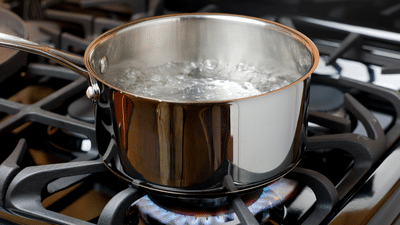
- Boiling Water
Tip: Always boil fresh water daily and avoid mixing boiled water with unboiled water.
- Using Water Filters
Tip: Follow the manufacturer’s maintenance schedule strictly to prevent filter-related contamination.
- Safe Storage of Drinking Water
Tip: Designate one container only for baby water and clean it separately from other household vessels.
Note: Packaged or bottled water may seem safe, but it is not always ideal for babies. Quality can vary between brands, and storage conditions may affect safety. Always consult your paediatrician before buying packaged water for your little one.
When Do Babies Need Drinking Water?
Babies below six months of age usually do not need additional water if they are exclusively breastfed. Breast milk provides sufficient hydration. After six months, when complementary feeding begins, babies may require small amounts of safe drinking water. Always use boiled and cooled water for this purpose.
What to Do Next?
- Use boiled water for all baby feeds and drinking
- Clean bottles, cups, and utensils thoroughly
- Maintain water filters regularly
- Store water safely and hygienically
- Speak to your paediatrician if your baby has frequent stomach infections
Safe drinking water is one of the simplest yet most powerful ways to protect your baby’s health. In India, where water quality can vary, boiling, careful filtering, and proper storage are vital for preventing illness. Following these practices may help parents create a safe environment that supports healthy growth and development from the very beginning.
Whether you’re pregnant, a new mom, or navigating postpartum, you don’t have to do it alone. Join our support group to connect, share, and support one another.
FAQs on a Parent’s Guide to Clean and Safe Drinking Water for Babies in India
Yes. Boiling adds an extra layer of safety, especially for babies.
Use boiled water within 24 hours if stored in a clean, covered container.
No. Always boil tap water before using it for baby feeds.
READ NEXT
-
MPPSC: MPPSC increases the number of Mining Inspector posts, now State and Forest Service posts will be increased..

-
CTET Answer Key 2026: Provisional answer key for CTET exam will be released soon, you can download it by following these steps..
-
What are the parking fees for cars and bikes at Namo Bharat stations? Find out how many vehicles can be parked..
-
UPSC CSE 2026: Tomorrow is the last date to fill the UPSC IAS form, apply immediately..
-
IRCTC Agent: How to register to become an IRCTC agent? Learn the complete process and how to earn...