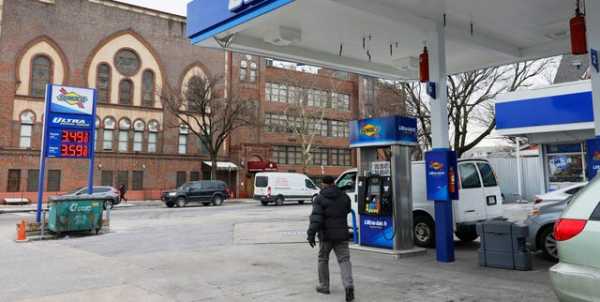
A new investigation into gas stations across New York City has uncovered a startling trend: most drivers may not be getting the fuel quality they’re paying for. Data from inspections conducted between 2023 and 2025 shows that a staggering 96% of tested stations failed key compliance checks, with octane discrepancies leading the list of violations.
Widespread Octane Failures
Out of 729 inspected gas stations, 702 failed tests to octane levels, mid-grade blending, or proper signage. The most concerning issue? Premium fuel is not actually meeting premium standards.
Authorities reportedly shut down over 1,100 gas pumps after detecting incorrect octane levels. In simple terms, drivers paying extra for premium fuel may have been filling up with something closer to regular-grade gasoline.
Given that premium fuel often costs significantly more per gallon, this isn’t just a technical issue; it’s a financial one.
How Does This Happen?
Octane levels don’t degrade naturally over time. So when a pump dispenses lower-than-advertised fuel, it usually points to one of two things:
Most stations operate with two main tanks: one for regular and one for premium. Mid-grade is typically created by mixing the two at the pump. Any error in this system—intentional or not—can lead to inaccurate octane levels.
Why Octane Matters More Than You Think
For many modern engines, especially turbocharged or high-compression ones, octane rating isn’t just a number—it directly affects performance and durability.
Using lower-than-recommended octane fuel can lead to:
While most cars have safeguards like knock sensors to adjust performance, repeated exposure to substandard fuel can still take a toll over time.
The Economics Behind the Problem
Here’s where things get interesting. Gas stations typically operate on razor-thin margins—often just a few cents per gallon. That pushes many operators to depend heavily on convenience store sales rather than fuel profits.
Add to that the growing shift toward electric vehicles, and traditional fuel revenue is under pressure. Some station owners admit that cutting corners, while risky, can be tempting in such an environment.
Still, regulators are clear: misleading consumers is illegal, regardless of business pressures.
Regulatory Crackdown and What Comes Next
The Department of Consumer and Worker Protection continues to conduct routine inspections, checking everything from fuel delivery records to pump accuracy and octane levels. Violations can result in fines, pump shutdowns, and reputational damage.
But the scale of failures suggests a deeper systemic issue rather than isolated incidents.
What Drivers Should Do
For everyday drivers, this report is a wake-up call. A few practical steps can help reduce risk:
-
Stick to reputable, high-traffic fuel stations
-
Pay attention to how your car performs after refueling
-
Avoid switching stations too frequently if you find a reliable one
Because here’s the bottom line: when you pay for premium, you should get premium. Right now, that’s not always guaranteed.
-
Woman Wishes Not Liking Dogs Was More Normalized

-
Life Finally Starts Getting Better For 3 Zodiac Signs After March 5, 2026

-
IND vs ENG: Change history and play the final… Big challenge in front of India, will have to do this feat in the semi-finals

-
Iran-Israel Crisis: Malaika Arora’s Mother Joyce Arora Stranded In Dubai Amid West Asia Crisis

-
Flights from UAE to Singapore Changi resume amid Middle East conflict