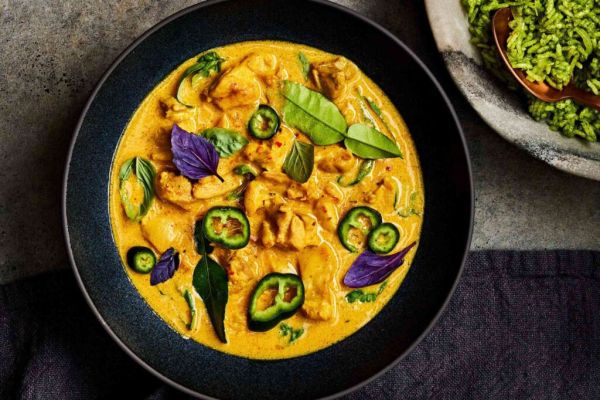
Get to Know Thai Curry Beyond Red, Yellow, and Green
When most people think of Thai curry, three colors come to mind: red, yellow, and green. These are indeed the most popular varieties internationally, but Thai cuisine offers a much wider spectrum of curries, each with its own history, regional identity, and flavor profile. To truly appreciate Thai food, it’s worth exploring these lesser-known curries that go beyond the familiar tricolor.
The Cultural Story of Thai Curry
In Thailand, curry is called gaeng (or kaeng, gang, geng). It is more than just a dish — it reflects centuries of trade, migration, and local adaptation. Ingredients like chilies, coconut milk, lemongrass, galangal, and kaffir lime leaves combine to create curries that are deeply tied to regional traditions. For many Thai families, curry is not just food but a symbol of comfort and heritage.
Beyond the Big Three: Other Thai Curries
1. Massaman Curry (Gaeng Massaman)
- Origin: Influenced by Persian and Indian traders.
- Flavor: Mild, slightly sweet, with spices like cinnamon, cardamom, and cloves.
- Ingredients: Coconut milk, peanuts, potatoes, and tender meat (often beef or chicken).
2. Panang Curry (Gaeng Panang)
- Flavor: Rich and creamy, less soupy than red curry.
- Ingredients: Coconut milk, kaffir lime leaves, peanuts, and meat.
- Distinctive Feature: A thicker paste and sweeter taste compared to red curry.
3. Jungle Curry (Gaeng Pa)
- Origin: Northern Thailand.
- Flavor: Fiery and bold, without coconut milk.
- Ingredients: Fresh herbs, vegetables, and wild meats.
- Distinctive Feature: A lighter, broth-like consistency with intense heat.
4. Kaeng Som (Sour Curry)
- Flavor: Tangy and spicy.
- Ingredients: Tamarind, fish, and vegetables.
- Distinctive Feature: A sharp sourness that sets it apart from creamy curries.
5. Hor Mok (Steamed Curry Custard)
- Flavor: Savory and aromatic.
- Ingredients: Curry paste mixed with coconut milk and eggs, steamed with fish.
- Distinctive Feature: Served in banana leaf cups, resembling a custard.
What Makes Each Curry Unique
- Color and Heat: Red and green curries derive their colors from chilies, while yellow curry uses turmeric. Other curries rely on herbs, spices, or souring agents.
- Regional Identity: Jungle curry reflects northern traditions, while Massaman shows southern influences from trade routes.
- Texture and Base: Some curries are creamy with coconut milk, while others are broth-like or steamed.
Why Explore Beyond Red, Yellow, and Green
- Cultural Appreciation: Each curry tells a story of Thailand’s diverse regions and history.
- Flavor Variety: From sweet and mild to fiery and sour, the range is vast.
- Cooking Inspiration: Trying different curries expands your culinary repertoire and deepens your understanding of Thai cuisine.
Conclusion
Thai curry is far more diverse than the familiar red, yellow, and green varieties. Exploring curries like Massaman, Panang, Jungle, Kaeng Som, and Hor Mok opens up a world of flavors and cultural stories. For anyone passionate about food, diving into these lesser-known curries is a way to experience Thailand’s culinary heritage in its full richness.
-
Student of Indian descent killed in US shooting considered reaction to Iran war

-
Holi 2026: Post-Holi Sluggishness And Sugar Crashes? Simple Ways To Reset Your Body Naturally

-
Channel 4 chaos as star suddenly shoves producer and storms off screen

-
Iran drones strike US Embassy in Saudi Arabia as attacks on American installations spread

-
'Excellent' period drama hailed 'better' than Outlander now streaming for free
