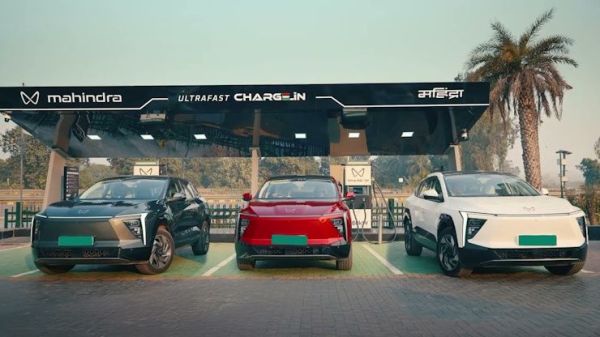
Although people have started accepting electric cars in India, they are still mostly worried about the battery maintenance and replacement costs. Despite manufacturers now offering lifetime warranties, EV buyers have been asked on a lot of occasions to pay for the battery replacement out of their own pockets. So if you are also an EV owner or planning to buy one, then you have to make sure that you read till the end to understand how to keep the battery of your shiny new electric vehicle healthy for a long time.
Understand the importance of your car’s battery
If you own any of the electric cars currently available in India, then most likely the battery alone in your vehicle costs anywhere between Rs 4–10 lakh depending upon the model that you own (will be much higher for luxury electric cars). So it is extremely important for you to understand that keeping the battery of your vehicle in the best condition possible ensures that you have a better real-world range, higher resale value, and smoother warranty claims.
To make sure that the battery pack of your expensive electric vehicle has a longer life, make sure to follow these steps and pieces of advice.
Avoid charging to 100 percent
As tempting as it is to charge to 100 percent to ensure that you have as much juice in your vehicle’s battery as possible, you’d be surprised to know that keeping 100 percent charge in the battery is an unfavorable thing to do. The thing is, most lithium-ion battery packs in EVs do not like extremes, which means ideally you should keep your battery in the 20–80 percent charge window.
Regularly charging to 100 percent increases chemical stress, and frequently draining it below 10 percent also accelerates battery pack wear. Ideally, considering the conditions of most Indian EV buyers, any electric vehicle which has to be driven around 25–40 km every day in the city should only be charged till 80 percent. This way the battery can stay healthier. Only charge to 100 percent when doing long road trips on highways.
Don’t leave the EV charged at 100 percent for long
As we all know how hot it can get in India, a high charge combined with the high temperature of Indian cities directly increases battery ageing. Cities like Ahmedabad, Nagpur, Hyderabad, and Chennai often reach very high temperatures during summers, and keeping 100 percent charge during peak heat hours can degrade the battery health.
Home charging vs public charging
If you want to make sure that the battery pack of your vehicle remains in the best health possible, do NOT USE A FAST CHARGER daily. Yes, as tempting as it is to fast charge your EV using a DC fast charger, in reality it deteriorates the condition of your vehicle’s battery. Using the free home chargers such as 3.3 kW or 7.4 kW chargers provided by the company is often a better choice.
This is because these chargers generate a lot less heat than DC fast chargers. You only have to make sure that the home chargers have proper earthing, a dedicated MCB, and stable, high-quality wiring. We are not saying that fast chargers are evil; we are just saying that we should avoid using them on a daily basis. Using them on road trips and emergencies is completely fine.
Avoid heat as much as possible
By now you must have understood two things: the first is that Indian weather is too hot, and the other is that EVs hate hot weather. Basically, heat accelerates the chemical ageing of an EV battery and increases the internal resistance. Additionally, it also reduces the long-term capacity of the vehicle.
So you can save the health of your electric car’s battery by trying to use basement parking whenever possible and also using shaded parking. Also, another important thing to do is to avoid charging immediately after aggressive highway driving in peak afternoon heat. For example, after a 200 km highway drive, do not plug into a 50 kW fast charger. That will just deteriorate the health of your vehicle’s battery pack. Let it cool for 20–30 minutes if possible.
Other helpful points to keep in mind
Let’s say you have to go out for a couple of days or weeks. Then you have to make sure that your electric car is not charged 100 percent and it is also not fully discharged. Try to keep the battery at around 50–60 percent. Also, another way to keep battery health good is to keep updating the vehicle. Every EV manufacturer offers regular updates as they improve charging algorithms, thermal management, and cell balancing.
So it becomes crucial to update your vehicle to ensure that its battery can last a longer time. Lastly, also maintain tyre pressure. Underinflated tyres increase the rolling resistance and increase the battery load. Additionally, it also increases the battery discharge rate and heat.

Recently, a Mahindra BE 6 caught fire on a highway as its owner continued driving it with a completely deflated tyre. It was highlighted that despite the repeated warnings on the digital instrument gauge cluster, the vehicle was driven for over 10 minutes at a speed of 60 kmph.
Please implement these pieces of advice
Providing tips, tricks, and advice is one thing. However, they only become fruitful if one follows them. If you cannot follow the advice provided, it is of no use. So if you are an electric vehicle owner, then make sure that you follow all the above-mentioned tips
-
Bottle gourd juice is nectar in summer, just know the right way to consume it.

-
Apple Launches New MacBook Air With M5 Chip: Check Price Details In India, Features, Stunning Colors, AI Performance And More

-
TECNO strikes again! The latest smartphone blew away everyone’s senses… Equipped with a 6500mAh battery and unique camera features

-
Arteta shrugs off criticism over Arsenal’s set-piece tactics

-
NZ vs SA Semi-Final: Rain or Runs? Check out the pitch and weather report ahead of the first semi-final