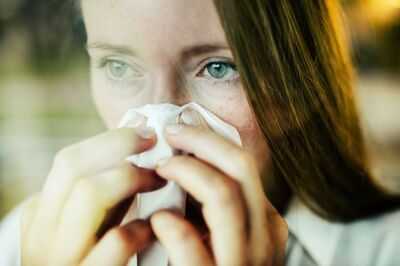
The UK Health Security Agency (UKHSA) has issued an alert to anyone who suffers from hay fever. It comes as research indicates that pollen may affect people earlier than usual.
Around 10 to 18 million people in the UK have hay fever, and it's thought to impact about 20% to 25% of the population, according to the Met Office. This condition is a usual allergic response to pollen, and it's becoming more common. Grass pollen is the most common trigger.
In a new alert posted on X this morning (March 2), the UKHSA said: "Studies suggest that some types of pollen and other allergens could be released earlier in the year and for longer durations as the climate warms. This may mean that hay fever could be triggered as early in the year as January or February."
- Dr Amir Khan alert for anyone with 'brain fog or tiredness' taking lansoprazole, omeprazole, or pantoprazole
- Doctor Amir Khan shares 1 medication he would 'never' advise people use
Hay fever is usually seen in spring and summer. But, due to the changing climate, people in the UK with allergies might start experiencing symptoms earlier in the year, the government agency says.
Recent research shows that certain kinds of pollen and other allergens may appear sooner and persist longer as temperatures rise. For some pollen types, this could mean that hay fever symptoms might start as early as January or February.
In the UK, hay fever season usually lasts from the end of March until September. This season is split into three main parts: tree pollen from March to mid-May, grass pollen from mid-May to July, and weed pollen from late June to September.
What will climate change do to pollen patterns in the UK?The Health Effects of Climate Change in the UK report, published at the end of 2023, listed several ways climate change is likely to affect lives. The UKHSA says it’s likely that a changing climate will impact pollen patterns in at least three ways:
According to the NHS, hay fever is a common allergy that causes sneezing, coughing and itchy eyes. It says: "You cannot cure it, but there are things you can do to help your symptoms, or medicines you can take to help."
- sneezing and coughing
- a runny or blocked nose
- itchy, red or watery eyes
- itchy throat, mouth, nose and ears
- loss of smell
- pain around the sides of your head and your forehead
- headache
- feeling tired
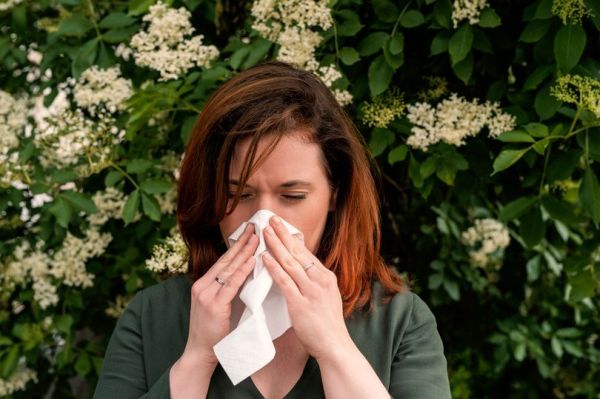
Symptoms are usually worse between late March and September, especially when it's warm, humid and windy. The health service adds: "This is when the pollen count is at its highest. Hay fever can last for weeks or months, unlike a cold, which usually goes away after one to two weeks."
What is pollen?Pollen grains are small bits made by flowering plants to help them reproduce. Some plants use insects to move pollen to other flowers of the same type, while others depend on the wind to blow the pollen through the air to where it needs to go. Pollen has proteins in it, and a lot of people have allergies to these proteins. The most common reaction is hay fever, but some people also get allergic asthma and eczema.
The UKHSA says: "In the UK, it is estimated that every year millions of people feel the ill-effects of pollen exposure. The pollen season in the UK has traditionally had three distinct but overlapping phases." These include:
- From about March until May, the blossoming of trees such as hazel and birch creates the first wave of symptoms for some pollen allergy sufferers.
- From May until July, grass pollen forms the bulk of the UK’s pollen load.
- Weed pollen (such as dock and mugwort) starts to occur from June and can last well into the autumn.
Research suggests that as temperatures rise, oak and grass pollen seasons may start even earlier, meaning some allergy sufferers could experience hay fever and other reactions as early as January and February.
-
Bengal SIR: 200 additional judicial officers to join adjudication exercise

-
Jonny Bairstow Stranded In Dubai, Voices Concern Over Safety: ‘Trying To Keep My Family Safe’

-
Holi 2026: Follow These Simple Eye Safety Tips To Protect Your Vision While Playing With Colours

-
Vijay Deverakonda Announces Scholarships For Class 9 And 10 Students In Telangana

-
Baba Vanga’s 2026 War Warning Goes Viral After US-Israel Strikes On Iran
