
Tea is a massive part of British culture, with many of us firing up the kettle and making several cups a day. Whether you like a classic English Breakfast, a zingy peppermint or a refreshing green tea, it's warming, comforting and perfect when you need a pick-me-up.
However, when you make a bad cup of tea, it's an instant mood-ruiner. And a lot of the time, it's nothing that you did wrong - it's actually your kettle that's at fault. Andrew Slark, managing director and water treatment expert at WaterCare, has shared how making one small change could transform your brew and why spending more on expensive teabags won't fix things.
According to the pro, the issue begins as soon as you turn on the tap to fill up the kettle. He said: "Tap water often contains chlorine and chloramine to keep it safe to drink, along with minerals such as calcium and magnesium. This combination can create a bitter or slightly metallic edge that masks the delicate flavours of the leaves."
If you live in a harder water area, calcium and magnesium traces in the water can give your tea a 'chalky note' that might overpower some delicate blends.
This is why spending more money on premium teabags won't change a thing - it's the water itself that's dulling the overall taste.
Ensure our latest lifestyle and travel headlines always appear at the top of your Google Search by making us a Preferred Source. Click here to activate or add us as Preferred Source in your Google search settings.
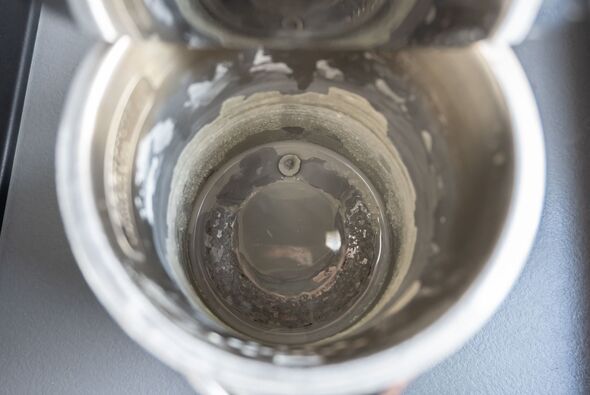
Boiling the kettle isn't enough to make this unpleasant taste disappear, as this isn't enough to remove the dissolved minerals or limescale that buils up inside.
Andrew said: "Heat may reduce some chlorine, yet it will not tackle chloramine, calcium or magnesium. Repeated boiling can even concentrate minerals as water evaporates, which means flavour issues can remain even after the kettle has clicked off."
However, switching fom tap water to filtered water is an easy way to improve the flavour of your tea. Filtering helps to reduce chlorine and limescale, both of which can affect taste.
The pro added: "Once these elements are reduced, the tea is much clearer, giving a cleaner and more vibrant cup without changing the blend you already enjoy."
How to clean your kettleTo remove a buildup of limescale in your kettle, you can use lemon juice, according to the kettle experts at Morphy Richards.
Fill your kettle with water, ensuring it is plugged in, then squeeze the juice of two lemons into a small cup or jug. Pour it into the kettle and boil.
Allow the mixture to sit in the kettle between 20 and 30 minutes, then unplug it and pour the water and lemon solution down the sink.
Rinse the inside of the kettle with fresh, cold water, and leave to dry before refilling with fresh water and plugging the kettle back in.
-
Man Climbs Puri Jagannath Temple's Lion's Gate While Chasing Monkey To Retrieve Bag

-
Tottenham slapped with Champions League fan ban and charged by UEFA over 'Nazi salutes'

-
Zinc Deficiency In Women: Hair loss and period problems? Are you also a victim of this essential mineral deficiency?

-
Madhya Pradesh CM participates in 'Bhagoriya Fest' in Barwani

-
Alpine Divorce: After breakup and divorce, now comes 'Alpine Divorce', know why this scary word is going viral?
