
Hyderabad: The Telangana government has informed the High Court that the historic Dargah Hazrath Syed Tajuddin Khaja Bagh Sawar has been relocated from the Sri Raja Rajeshwara Swamy temple in Vemulawada to facilitate renovation work being taken up on the premises.
Advocate General A Sudarshan Reddy, who represented the state government, informed Justice B Vijayasen Reddy during a hearing on the matter on Monday, March 2, that even the religious structures of Hindu deities, including the Kotilingala Anjaneya Swamy idol, were shifted to a larger and safer location to enable the redevelopment plan of the Sri Raja Rajeshwara Swamy temple’s premises last month.
Affirming the Telangana High Court’s duty to protect the religious structures and the rights of the devotees, Justice Vijayasen Reddy stated that the interim order issued on February 26 on the case directing that no coercive steps of any nature, including relocation, demolition or alteration of the dargah could be taken, would not apply presently, as the Advocate General has already submitted that the dargah has been relocated.

“Neither the four counsels appearing for the state government were aware that the dargah had already been relocated, nor was the petitioner. As the issue is sensitive in nature, the court acted with caution. If it were some private property, the court may have responded much sternly,” advocate Zeeshan Adnan Mahmood, who represented the petitioner, told Siasat.com.
The High Court was hearing a petition filed by one Mohammad Nazima challenging the illegal fencing, barricading and obstruction of the Dargah by the Rajanna Sircilla district administration and temple authorities.
The petitioner’s counsel contended that the dargah has been standing for over 800 years as a symbol of communal harmony alongside the famous Vemulawada temple.
He had contended that the Mutawalli of the dargah had no authority under law to consent to any relocation of the dargah, and that such authority vested exclusively with the Telangana State Waqf Board as per Section 51 of the Waqf Act.
He also invoked Section 3 of the Places of Worship Act, which bars the conversion of places of worship of any denomination or any section into a place of worship of a different section of the same religious denomination or of a different denomination or any section thereof.
The petitioner’s advocate also argued that until February, the dargah stood within the Vemulawada temple’s premises and sought the court’s intervention in protecting it at its original location.
The High Court refused to grant any such relief as sought by the petitioner and posted the next hearing on March 16, directing the state government to file a counter-affidavit before the bench by then.
“As the earlier order has already been passed, it is now subject to the outcome of the writ petition,” Zeeshad Mahmood told Siasat.com.
-
Gold and Silver Prices Slide Globally: Silver Crashes Nearly 10%, Gold Also Under Pressure

-
Gold and Silver ETFs Delivered Big Returns — Here’s How Much Tax You’ll Pay When You Sell

-
Bank Holiday for Holi: Will Banks Be Closed on March 4? Check the RBI Holiday List

-
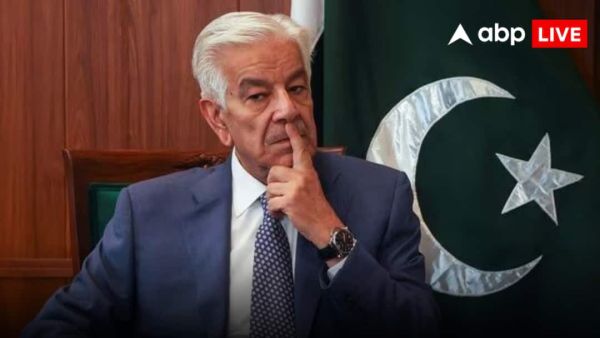
Pak Defence Minister Khawaja Asif Blames India Amid Iran-Israel War, ‘Warns’ Of Regional Plot
-
India vs England, ICC T20 WC Semi-Final: Here Are The Nearby British Restaurants Near Mumbai's Wankhede Stadium
