Patola and Garchola are both widely celebrated variants of Gujarati sarees and are celebrated across India for their rich craftsmanship, vibrant colours and deep cultural symbolism. The two iconic weaves may appear similar to the naked eye but are distinct in origin, technique and occasion. The difference between the two unlocks the treasures of Gujarati craftsmanship and unearths the skills of the region.
What is a Patola saree?
Patola sarees originate from Patan and are known for their intricate double ikat weaving technique. Crafted painstakingly by skilled artisans, both the warp and weft threads are tie-dyed before weaving, ensuring that the design appears identical on both sides of the fabric. This labour-intensive process can take months to complete, making authentic Patola sarees highly valuable.
Traditionally woven in pure silk, Patola sarees feature geometric patterns, floral motifs, elephants, parrots and traditional symbols. The colours are vibrant and long-lasting, often made using natural dyes. Historically, Patola was considered a symbol of status and was worn by royalty and aristocratic families. Today, a genuine Patola saree is a prized possession, often passed down through generations. It is typically worn at weddings, grand celebrations and cultural events.
What is a Gharchola saree?
What are the key differences between Patola and Garchola sarees?
Origin: Patola comes from Patan, while Gharchola is popular across Gujarat, especially in wedding traditions.
Technique: Patola uses double ikat weaving; Gharchola uses bandhani tie-dye with zari.
Occasion: Patola suits grand celebrations; Gharchola is primarily bridal wear.
Design Style: Patola features symmetrical woven motifs; Gharchola has a checkered grid pattern.
-
Leave helicopter parenting and let your child fly a new flight.

-
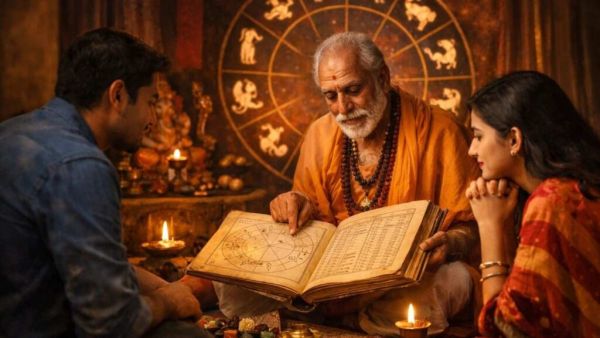
Number 4 of Rahu and transit of Moon will create chances of success on Holi, know the horoscope.
-
Which God should be worshiped on Holi? Know and follow it, there will be chances of happiness and prosperity.
-
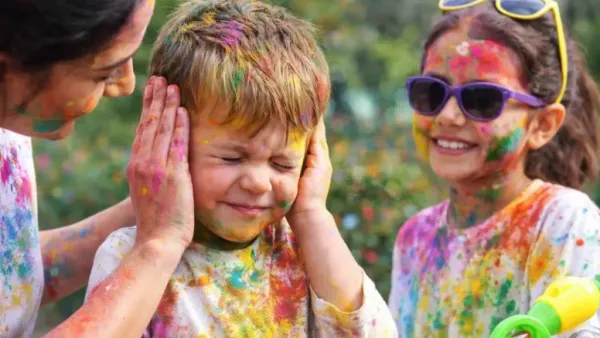
Holi Precautions: Are you worried about the safety of children’s skin, eyes and ears during Holi? Take care in these ways
-
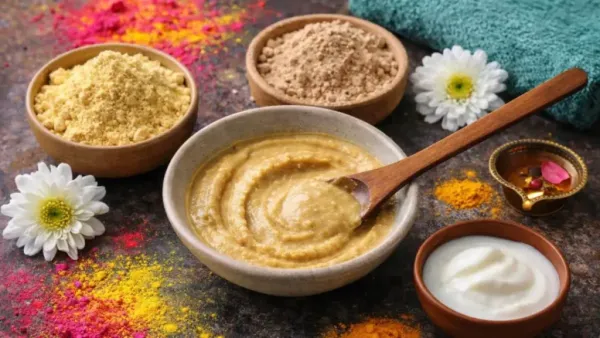
Natural Face Pack: Make natural face pack with gram flour and multani mitti, your face will glow after Holi celebration!