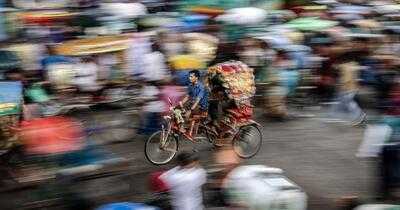
The economy inherited by Bangladesh’s new government under Prime Minister Tarique Rahman will take much more than short-term stabilisation or rhetorical confidence to repair.
The new government is faced with theaccumulated aftershocks of a long period of economic mispricing and institutional erosion that was exacerbated by political denial. These elements combined with volatile social dynamics to culminate in the revolutionary-scale uprising of July 2024.
The fall of Sheikh Hasina’s autocratic government of 16 years in that monsoon uprising has often been reduced to a story about student anger about job quotas. That explanation is convenient, but it is dangerously misleading. Though the quota movement was the spark, the precarious economy was the fuel.
For nearly a decade after 2013, Bangladesh lived with a political paradox. Democratic space narrowed, elections lost credibility, civil liberties eroded and dissent was criminalised.
Yet mass resistance failed to materialise. Fear alone does not explain that endurance – economic growth does.
Between fiscal year 2010 and fiscal year 2019, Bangladesh’s real GDP growth averaged roughly 6.6% to 7%, peaking at 8.15% in fiscal year 2019. tHIS WAS one of thefastest sustained growth rates in the developing world.
During the same period, poverty fell sharply, from about 31.5% in 2010 to around 20.5% by 2019. Per capita income rose from roughly $700 in...
Read more
-
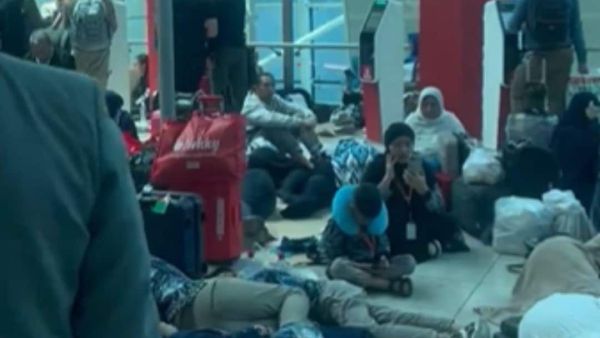
Dubai, Abu Dhabi Resume Limited Flights as Airspace Restrictions Ease
-
Job Mela 2026: Delhi University To Host Placement And Internship Drive On March 20

-
Young Sherlock Review: Guy Ritchie's Spirited Reimagining Of A Legend

-
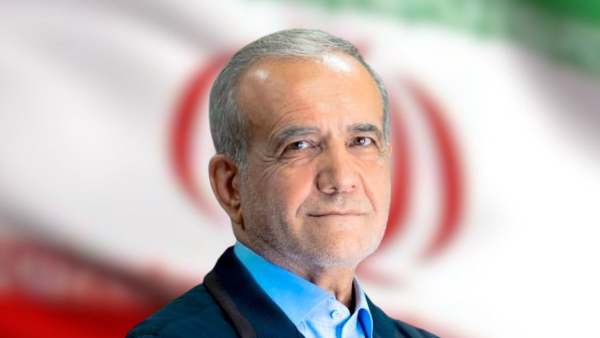
US–Iran–Israel War: ‘National Unity Is Our Primary Asset,’ Says Iranian President Masoud Pezeshkian Amid Tensions
-
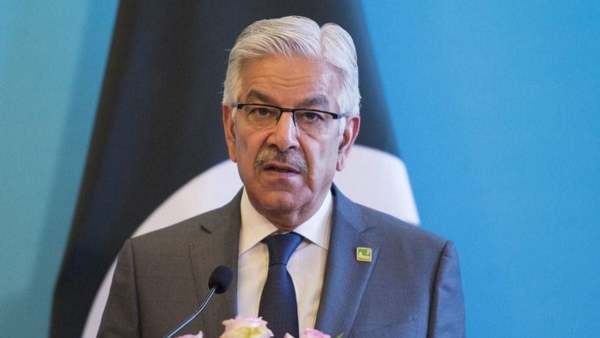
Khawaja Asif Invents India-Afghan-Iran Axis To Deflect Anti-US Sentiment; Protect Pakistan From Trump Ire