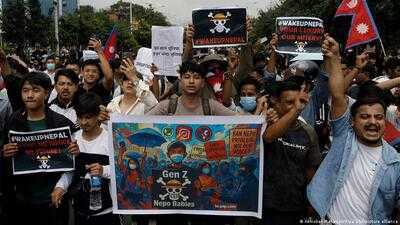
Nepal is gearing up for parliamentary elections, months after a youth-led uprising forced out the previous government.Liza Adhikari, a 20-year-old student, carries the wounds of the "revolution" in her left shoulder. Every day, she goes to physiotherapy to regain movement after a bullet shattered the top of the bone in her upper arm. She was shot on September 8, 2025 — the day when Nepal's Gen Z movement faced a deadly crackdown for trying to reshape the country's political arena. "I wasn't pelting stones. I was arranging water for people around me, and blinded by tear gas when the police opened fire," Adhikari told DW. The youth-led demonstrations, fueled by popular anger against Nepal's ruling class over rampant corruption and unemployment, forced then Prime Minister K.P. Sharma Oli to resign. President Ram Chandra Paudel later dissolved the parliament and appointed an interim government, tasked with conducting early elections. Youth hope for genuine reforms Nearly 19 million voters in the landlocked Himalayan nation have registered to cast their ballots in the elections scheduled for this week. They will elect 275 members of the House of Representatives, the lower house of Parliament — 165 directly, with a further 110 chosen via proportional representation from the lists prepared by political parties. Adhikari said she is now waiting to see whether her sacrifice will bring the "change she fought for." She is convinced that the nation's youth did not come onto the streets last year to topple the government, but to raise their voices against corruption and to call for good governance. The young student believes that genuine reform of the political system and culture is essential. "If young people reach Parliament and raise their voices, the impact of the movement may be seen. But if the old parties return to power, and nothing changes, our struggle will be gone in vain," she said. Adhikari belongs to the generation that paid the biggest price to reset the system. According to Amnesty International, the mass anti-government demonstrations last year left 76 young people dead and over 2,000 wounded. Very few Gen Z candidates for elections Despite being the driving force behind last year's mass protests, very few members of Gen Z — the people born roughly between 1997 and 2012 — have stepped forward to contest the elections. This age group makes up only about 5% of all candidates. Experts point to structural barriers, including a political culture that favors seniority and often views younger aspirants as "inexperienced" in matters of leadership. There is also a huge legal barrier — Nepal's constitution bars anyone under 25 from running for Parliament. On top of that, young people are required to pay money in order to compete, with the Rastriya Swatantra Party (RSP), an alliance of new and alternative forces, setting an application fee of 50,000 Nepali rupees ($375, €323) for those seeking nomination under the proportional representation list. Majid Ansari, a youth activist and law student, said such costs are out of reach for many young aspirants. "Most Gen Z activists saved their pocket money to join the demonstrations and events that followed. For them, the amount was huge," he noted. Ansari added that some young people who had announced independent candidacies later stepped back because of financial constraints. Taking Gen Z issues to Parliament Funding issues, however, go beyond the high participation fees. "In a system where the Election Commission lacks the power to regulate party funding, parties systematically favor middlemen, traders, and wealthy contractors as candidates, who can cover their own costs and support the party financially," political analyst Krishna Pokharel explained. Manish Khanal, a 26-year-old RSP candidate in Nawalpur-2 constituency, is attempting to break the cycle of high-cost electoral campaigns. Khanal said he is relying on donations, volunteers, free printing and transportation, which he calls "social capital." He also stressed that he is not distributing money, food or other material incentives aimed at influencing the voters. The candidate said keeping campaigns low-cost helps set an example of transparency and accountability. At the same time, his party has faced criticism over senior leaders using expensive cars and maintaining ties to wealthy businesspeople. Khanal is one of 12 Gen Z candidates from the RSP. He says the relatively new party aligns with his political beliefs. Others chose established parties to take Gen Z issues to parliament. Ajay Kushwaha, 27, is contesting from Nepal's Bara district for the Nepal Communist Party. "We have gained space we did not have before. This is also a chance to reform party culture and raise Gen Z issues in parliament in an organized way,” he said. Some avoid party politics — for now But some prominent youth leaders refuse to enter party politics. Rakshya Bam, who played an active role in the protests and the formation of the interim government, decided to stay out of the process. "Our rebellion was against old political tendencies. I did not see a clear roadmap in the new, alternative forces either. So, I chose to stay on the streets and demand accountability and transparency," she said. Ansari also said he prefers to remain part of what he called a "permanent opposition." "Politics is also a numbers game, especially during elections. And we are weak in terms of numbers. We did not want to jump in at once, fall into that trap, and become irrelevant," he underlined. Some believe not contesting the polls this time round gives them a chance to step back and prepare for a political life. "Once you join politics, it becomes hard to live a personal life with integrity, as it can shrink you to almost nothing. I must prepare myself to stand that test,” Bam said. Strengthening youth political participation Analyst Pokharel believes the Gen Z movement challenged the narrative that young people lack political interest. "It showed that political consciousness among the youth is strong," he said. "They may hold different political ideologies, but their frustration with the way the country is governed, their dissatisfaction with the state, the lack of good governance and weak service delivery are shared," he added. For those who played a key role in the movement and paid a heavy price, the issue is not just political, but also deeply personal. Adhikari spent 64 days hospitalized and still has to pay for her costly treatment. She is worried about the legacy of her movement, saying that — if systemic corruption remains unchecked — this legacy will be a generation of young people forced to seek a future abroad. "If there are no signs of change," she said, "then just as I am waiting for the election results now, I may be waiting for a visa to another country." Edited by: Srinivas Mazumdaru
-
IND vs ENG: There is a huge difference between India and England in catching? This figure is surprising

-
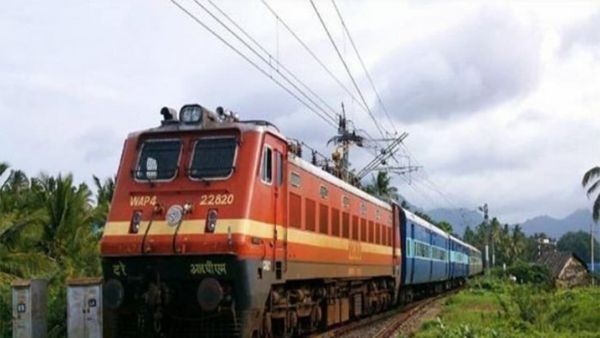
Indian Railways’ Holi plan: Special trains, crowd control in place
-
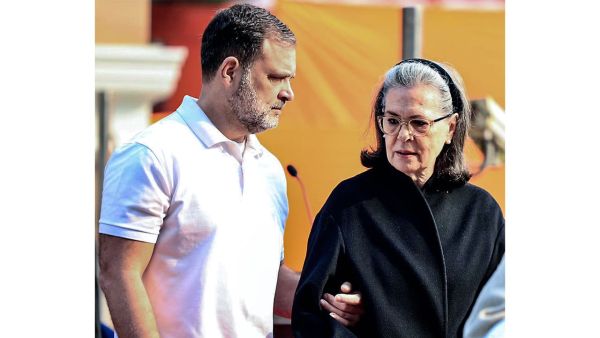
Khamenei’s killing: BJP, Congress spar over India’s ‘silent’ stance
-
How many cups of tea is beneficial to consume in winter? Know it too – News Himachali News Himachali

-
Qatar Denies Striking Iran As Middle East Conflict Intensifies — Dow Jones Tumbles Over 1200 Points As Markets Go Risk-Off