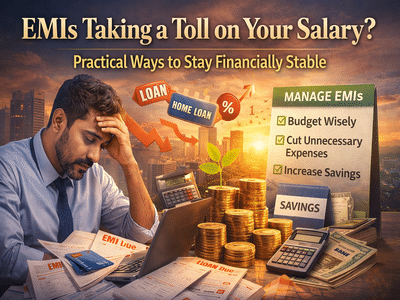
Mounting EMIs can quietly consume a large share of your monthly income. What starts as a necessary loan for a home, car, or emergency expense can gradually turn into financial pressure when combined with rising household costs, credit card dues, and daily living expenses. If you often find your salary running out before the month ends, it may be time to reassess your money management strategy.
Financial stress is common, but it can be controlled with careful planning and disciplined spending. Here are practical and effective ways to regain control when EMIs begin to eat into your income.
Stop Adding New DebtWhen finances feel tight, borrowing more money may seem like a quick solution. However, taking fresh loans to manage existing expenses often deepens the debt cycle. Instead of relying on additional credit, focus on stabilising your current situation.
Limit the use of credit cards, especially for non-essential purchases. Avoid impulse spending on dining out, luxury shopping, or frequent travel. Small lifestyle adjustments can significantly reduce monthly outflow.
Prioritise building a habit of saving, even if the amount is modest. Use these savings strategically to pay off high-interest debts first, such as credit card balances or personal loans. Reducing high-interest liabilities can immediately ease financial pressure.
Combine Multiple Loans Into OneHandling several loans at once can be confusing and stressful. Different due dates, interest rates, and EMI amounts may disrupt your monthly budget. Loan consolidation can simplify this process.
Consider opting for a single loan with a lower interest rate to repay smaller existing loans. This approach converts multiple EMIs into one manageable monthly payment, making it easier to track and plan your finances.
Additionally, you can explore transferring your existing loan to another bank that offers better interest rates. A lower rate can significantly reduce your EMI burden over time.
If your monthly installment feels overwhelming, speak to your bank about restructuring options. Extending the loan tenure can lower the EMI amount, although it may increase the total interest paid in the long run. In extreme cases, some lenders may offer a one-time settlement option, but this should be considered carefully as it may impact your credit profile.
Follow the 50-30-20 Budgeting FormulaOne of the simplest and most effective ways to manage income is by following the 50-30-20 budgeting rule. This structured approach helps balance essentials, lifestyle choices, and savings.
Here’s how it works:
- 50% of your income should cover essential needs such as rent, groceries, utility bills, school fees, and EMIs.
- 30% of your income can be allocated to discretionary spending like entertainment, shopping, and leisure activities.
- 20% of your income should go toward savings, investments, or building an emergency fund.
If EMIs are consuming more than 50% of your salary, it may signal financial strain. In such cases, cutting back on lifestyle expenses and redirecting funds toward debt repayment can restore balance.
Build an Emergency FundUnexpected medical bills, job loss, or urgent repairs can push finances further off track. Having an emergency fund that covers at least three to six months of expenses can act as a safety net. This prevents you from depending on high-interest loans during difficult times.
Start small and increase contributions gradually. Even setting aside a fixed amount every month can create financial security over time.
Review and Track Every ExpenseMany people underestimate how much they spend on small daily expenses. Use budgeting apps or maintain a simple spreadsheet to track your monthly spending. Identifying unnecessary subscriptions, frequent online orders, or excessive convenience spending can reveal opportunities to cut costs.
Financial awareness is the first step toward financial control.
Take Charge Before Debt Takes OverManaging EMIs effectively requires discipline, planning, and informed decisions. Avoid taking unnecessary loans, consolidate existing debts where possible, and adopt a structured budgeting strategy. Small but consistent changes in spending habits can gradually reduce financial stress.
If your salary feels stretched due to EMIs, proactive steps today can help you regain stability and move toward long-term financial security.
Disclaimer: This article is for informational purposes only. Financial decisions should be made after evaluating your personal situation and consulting a qualified financial advisor or banking professional.
-
Martin Keown notices three things Arsenal need to tweak as Mikel Arteta avoids Chelsea problem

-
2026 SSC MTS and Havaldar Answer Key Released

-
Iconic Tenerife hotspot launches major tourist crackdown - 290k visitors a year

-
Winning EuroMillions numbers LIVE: Full lottery results with Thunderball on March 3

-
TV host speechless as William's two-word bombshell leaves Beatrice and Eugenie blindsided