US Treasury yields today
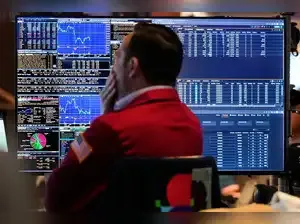
US Treasury yields today: As the US-Iran conflict enters its fourth day, financial markets are reacting to rising uncertainty and soaring oil prices.
Also read: Gold and silver investing guide 2026: Which states have no sales tax on precious metals and how to avoid paying extra
Also read: Why did Iran’s largest crypto exchange see a 700% withdrawal spike minutes after US-Israel airstrikes hit Tehran?
Rising oil prices from the US-Iran conflict pushed yields higher as investors weighed inflation risks.
What is the current 10-year Treasury yield?
The 10-year yield climbed above 4%, hitting 4.107% on Tuesday, as per the CNBC report.
10-Year Treasury Yield Surpasses 4% Amid Market Turmoil
On Tuesday, US Treasury yields climbed, with the benchmark 10-year note rising more than 5 basis points to 4.107% and the 30-year bond up 3 basis points to 4.734%. The 2-year Treasury yield jumped 7 basis points to 3.557%, as per a CNBC report.Why Treasuries Are Reacting Differently This Time
Normally, investors flock to Treasuries during geopolitical tensions, pushing prices up and yields down. But this time, the opposite is happening. Traders are closely watching the spike in oil prices, which threatens to fuel inflation even as the Federal Reserve weighs potential rate cuts later this year.Also read: Gold and silver investing guide 2026: Which states have no sales tax on precious metals and how to avoid paying extra
Oil Prices Spike as Strait of Hormuz Faces Closure
Oil markets reacted immediately to the conflict. West Texas Intermediate crude topped $76 a barrel for the second consecutive day, while Brent crude surpassed $83 a barrel, as per the CNBC report. The surge came as Iran reportedly closed the Strait of Hormuz, warning it would fire on vessels attempting to pass, and as Israel launched strikes on both Iran and Lebanon in response to missile and drone attacks by Tehran-backed Hezbollah.Trump Warns Conflict May Last Longer Than Expected
US president Donald Trump cautioned that the conflict could last far longer than the four weeks he initially projected, as per the CNBC report. Meanwhile, the American Embassy in Riyadh was attacked on Tuesday, highlighting the intensifying nature of the crisis.Energy Prices and Inflation: Key Drivers of Market Volatility
Economic data is adding to market concerns. The ISM Manufacturing Index on Monday showed rising price pressures at the factory level, with the “prices paid” component jumping 11.5 points to 70.5, the highest since June 2022, as per the CNBC report. The January producer price index had already shown unexpectedly high gains, underscoring inflation worries.Also read: Why did Iran’s largest crypto exchange see a 700% withdrawal spike minutes after US-Israel airstrikes hit Tehran?
Geopolitical Risks Ripple Across Bonds, Stocks, and Oil
For investors, the rise in Treasury yields reflects a delicate balancing act. While stocks have shifted into risk-off mode, bond yields are climbing as traders weigh the potential economic impact of higher energy costs. The war isn’t just geopolitical, it’s influencing the cost of living, the bond market, and investor strategy in real time.FAQs
Why did US Treasury yields rise this week?Rising oil prices from the US-Iran conflict pushed yields higher as investors weighed inflation risks.
What is the current 10-year Treasury yield?
The 10-year yield climbed above 4%, hitting 4.107% on Tuesday, as per the CNBC report.