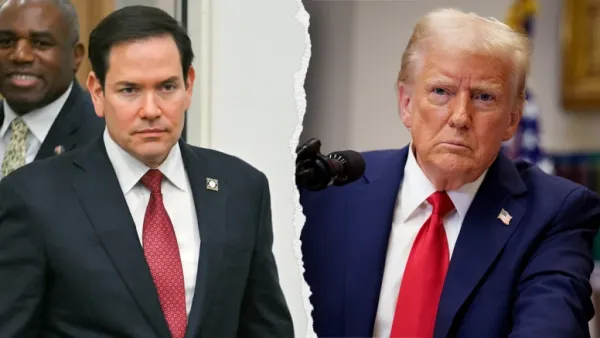
Secretary of State Marco Rubio said the Trump administration acted within the bounds of U.S. law as he prepared to brief lawmakers on recent foreign policy and military decisions that have drawn sharp criticism from Democratic members of Congress. His remarks came ahead of a closed-door session on Capitol Hill focused on the administration’s legal authority and national security rationale. Speaking to reporters before the briefing, Rubio stressed that the administration followed established constitutional procedures and consulted congressional leadership prior to taking action. He maintained that the president’s decisions were grounded in existing legal frameworks and aligned with the executive branch’s authority to respond to security threats. The debate centers on the scope of presidential war powers under the U.S. Constitution. While Congress holds the authority to declare war, presidents from both parties have historically relied on their role as commander in chief to authorize limited military operations without a formal declaration. Rubio indicated that the administration acted consistently with past precedent and applicable statutes governing national defense and foreign engagement.
Democratic concerns over oversight
Democratic lawmakers have raised questions about whether Congress received sufficient notice and whether the administration provided a clear legal justification for its actions. Some members argue that greater transparency is necessary, particularly when decisions involve the use of military force or have the potential to escalate international tensions. Several Democratic leaders have pointed to the War Powers Resolution, a 1973 law intended to ensure that Congress has oversight when U.S. forces are introduced into hostilities. They contend that additional consultation and formal authorization may be required if operations extend beyond short term defensive measures. In response, Rubio said the administration has kept appropriate congressional leaders informed through classified briefings and consultations with key committees. He emphasized that sensitive intelligence and operational details cannot always be disclosed publicly without compromising national security.
Republican support for executive authority
Republican lawmakers have largely defended the administration’s position, arguing that the president has constitutional authority to act swiftly in response to emerging threats. Supporters say delays caused by prolonged debate could undermine U.S. interests or put American personnel at risk. They also argue that prior administrations have exercised similar authority under comparable circumstances. According to Republican leaders, the briefing will provide lawmakers with additional context and reinforce the legal rationale behind the administration’s decisions.
Broader implications for the separation of powers
The dispute highlights a recurring tension between the executive and legislative branches over foreign policy authority. Questions about war powers, oversight, and accountability often intensify during periods of military activity or diplomatic confrontation. Rubio’s appearance before lawmakers is expected to focus on clarifying the administration’s legal reasoning and addressing concerns about congressional consultation. While partisan disagreements remain, both sides acknowledge the importance of constitutional balance and national security considerations. As Congress reviews the administration’s actions, the debate underscores the ongoing challenge of defining the limits of presidential authority in matters of war and diplomacy.
-
Rod Stewart fans rush to support star as he announces career update

-
Winning EuroMillions numbers: Full lottery results with Thunderball on March 3

-
Celebrate Holi with Joy: 100 Colorful Wishes and Messages

-
Effective Homemade Drink for Liver Detoxification

-
Mountain Shadows Resort, Wayanad Launches India's Most Exclusive Wedding Destination in Kerala